

Reality vs Expectations: What First-Timers Often Get Wrong
Most people arrive with images of endless herds and dramatic river crossings. Those moments do happen. However, they are not guaranteed every day.
The Great Migration is a living, moving event. Herds can shift overnight. Crossings may be delayed by hours or days. Dust, heat and long game drives are part of the experience.
First-time safari guests often expect constant action. In reality, there are quiet periods of searching, waiting and watching. These quieter moments are when many people feel the true scale of the landscape.
Accepting this reality early makes the trip more enjoyable. You the process as much as the highlights. For more background on the destination, explore our full Travel Guide.
Physical Demands of a Great Migration Safari
A migration safari is not extreme adventure. Still, it does physical stamina.

Typical days start early, often before sunrise. Game drives can last four to six hours. Roads are uneven and dusty. The open vehicles offer little shade or air conditioning.
You will sit for long periods. You may stand to photograph or scan the horizon. Heat builds during the day. Dust gets into everything.
Most healthy adults manage well. However, people with back problems, limited mobility or heat sensitivity should plan carefully. Choose camps that allow flexible schedules and shorter drives when needed.
The Emotional Side of Your First Migration Safari
The first sight of a huge wildebeest herd is often overwhelming. Many guests fall silent. Others laugh or tear up. The scale feels almost unreal.
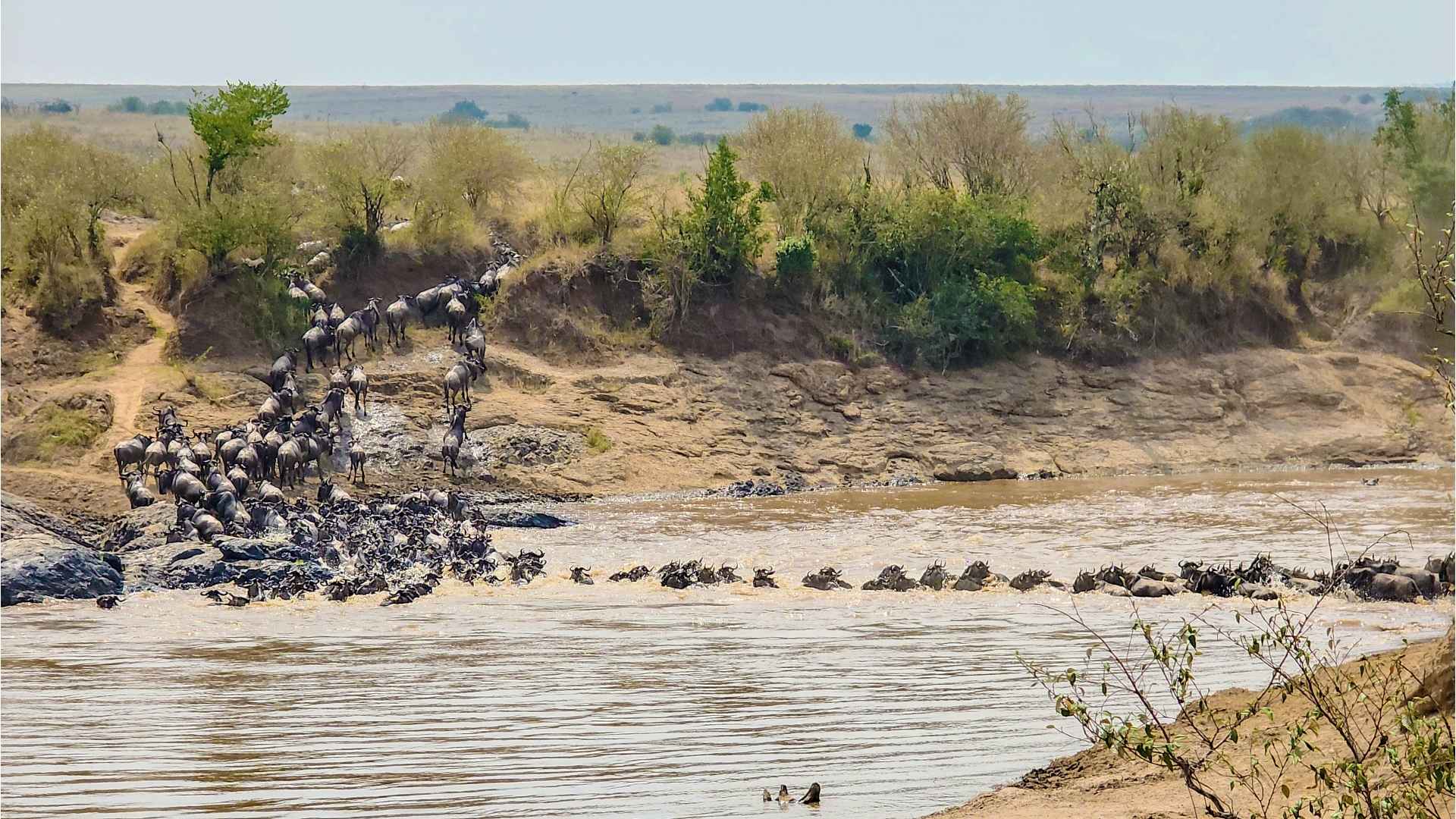
River crossings add intensity. The tension of waiting, the sudden rush of animals, and the presence of crocodiles create strong emotions. Some people find it thrilling. Others feel a quiet respect for the rawness of nature.
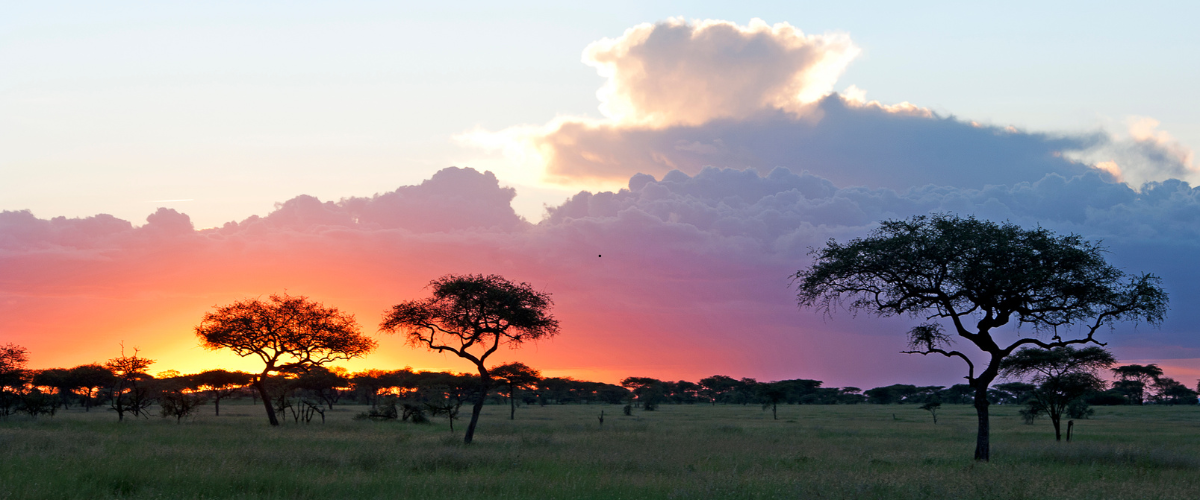
There is also the quieter emotional layer. Watching a mother protect a calf. Seeing lions rest in the shade. Feeling the vast emptiness of the plains at dusk. These moments often stay with first-timers longer than the dramatic crossings.
Allow yourself to feel it all. Put the camera down sometimes. Just watch.
A Realistic Day on Safari
Here is what a typical migration day looks like for most guests.
- 5:30–6:00 am – Wake-up call and light breakfast.
- 6:15–6:30 am – Leave camp for the morning game drive.
- 6:30–11:00/12:00 – Search for herds, predators and possible crossings. Picnic or bush breakfast is common.
- Midday – Return to camp for lunch and rest during the hottest hours.
- 3:30–4:00 pm – Afternoon game drive begins.
- Until sunset – Continue wildlife viewing, then return to camp.
- Evening – Dinner, campfire stories and early night.
Some days are action-packed. Other days are slower. Both are normal.
What to Pack for Your First Migration Safari
Pack light but smart. Soft duffel bags are better than hard suitcases for light aircraft transfers.

- Neutral-coloured clothing (khaki, olive, beige, soft brown)
- Long-sleeved shirts and trousers for sun and insects
- Warm fleece or jacket for early mornings
- Comfortable closed shoes and sandals for camp
- Wide-brim hat, sunglasses and high-SPF sunscreen
- Binoculars (8x or 10x recommended)
- Camera with extra batteries and memory cards
- Reusable water bottle and personal medications
- Headlamp or small torch
- Dust protection for electronics
Leave bright colours, heavy jeans and unnecessary gadgets at home. Less is more on safari.
How to Prepare Mentally and Practically
Good preparation reduces stress and increases enjoyment.
- Read less drama, more reality. Focus on practical guides rather than only highlight reels.
- Talk to your operator. Share any health concerns, photography goals or mobility needs early.
- Accept flexibility. Weather and animal movements change plans. Trust your guides.
- Practice sitting still. Long game drives reward patience more than constant movement.
- Prepare for dust and heat. Bring the right clothing and a positive attitude.
- Decide your camera approach. Some guests shoot everything. Others take fewer photos and watch more. Both are valid.
For personalised advice and booking support, reach out via our Contact page.
Where First-Timers Should Stay
Location matters more than luxury level for a first migration safari. Being close to the herds saves driving time and increases sighting chances.

Tanzania Wild Camps offers several well-positioned options:
- Serengeti Wildebeest Camps – Strategically placed for migration viewing.
- Serengeti Wild Camp – Comfortable tented camp with strong access to key areas.
- Serengeti Safari Lodge – A solid base for exploring the plains.
Choose a camp that matches your preferred style and the season you will visit. Our team can help match you to the right place.
Frequently Asked Questions for First-Timers
Is a first-time safari suitable for non-athletic people?
Yes. Most of the time is spent sitting in a vehicle. The main demands are early starts, heat and dust. Reasonable fitness and a positive attitude are enough for most guests.
Will I definitely see a river crossing?
No. Crossings are never guaranteed. Herds may wait days before crossing. Good guides, flexible timing and enough nights in the right area greatly improve your chances.
How many days do I need for a first migration safari?
Five to seven days in the Serengeti is a strong starting point. Longer stays increase your odds of being present for key events.
Should I bring children on a first migration safari?
Many families do. Children who can sit for long periods and handle early starts usually enjoy it. Discuss ages and needs with your operator when planning.
What if the herds are not where we expected?
Experienced guides and camps adjust daily. Mobile or well-located camps can reposition or extend drives. Flexibility is part of every successful safari.
Ready for Your First Great Migration Safari?
The first time you see the herds stretch to the horizon is unforgettable. With realistic expectations and the right preparation, the experience becomes even richer.
Tell us your preferred dates, group size and any special requirements. We will help you plan a first migration safari that matches your style and goals.