
Why Choose a Serengeti Safari
A Serengeti safari remains one of the strongest wildlife trips in Africa. Serengeti National Park covers vast open plains, woodlands, and rivers. As a result, it supports huge numbers of animals all year.
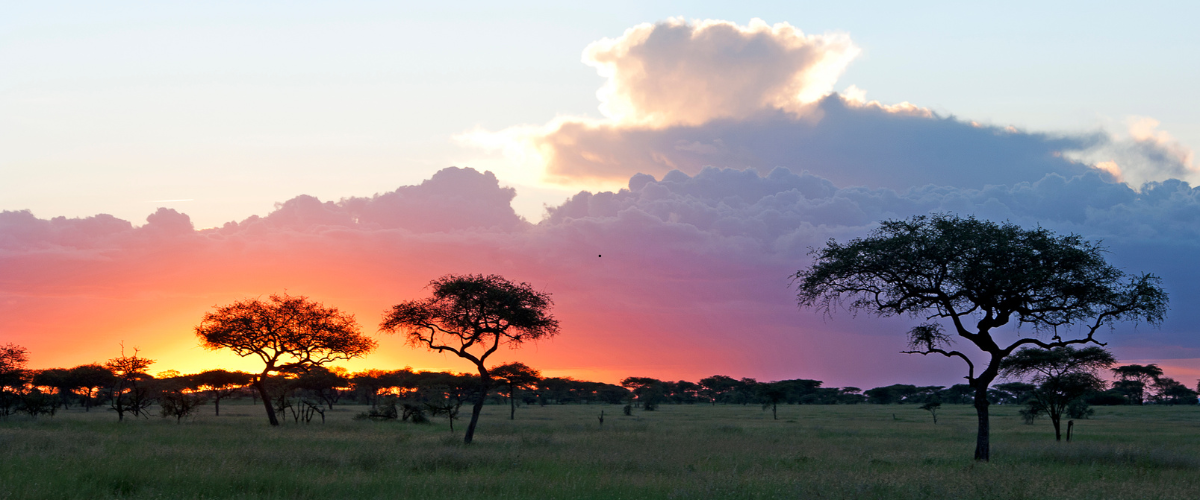
The name Serengeti comes from a Maasai word that means “endless plains.” When you stand on those plains at sunrise, the scale is hard to forget. Herds stretch to the horizon. Predators move through the grass. Birds fill the sky.
This Serengeti guide helps you plan with clear facts. You will see where to go, when to go, what it costs, and how to choose the right camp. Tanzania Wild Camps runs several properties inside and near the park. You can explore them later on this page.
Moreover, a safari Serengeti Tanzania trip pairs well with Ngorongoro and Tarangire. Together they form the classic Northern Circuit. Yet the Serengeti National Park itself is the heart of the journey for most visitors.
Serengeti National Park Wildlife Highlights
Serengeti National Park holds one of Africa’s richest wildlife lists. Lions, leopards, elephants, buffalo, and cheetahs are all present. In addition, the park is famous for the Great Migration of wildebeest and zebra.
Big Cats on a Serengeti Safari
Lions are common. The park supports thousands of them. You often see prides resting in the shade or on a kill. Cheetahs prefer the open plains. They hunt in daylight and are easier to spot than leopards. Leopards stay more hidden. They use trees and thick bush. Patient guides raise your chances of a good sighting.
Elephants, Buffalo and Plains Game
Elephant numbers have grown. You meet them near water and during river crossings. Buffalo form large herds, especially in the central and western areas. Giraffe, zebra, topi, and gazelle fill the grasslands. Together they create the classic Serengeti safari scene.
Birdlife in Serengeti National Park
More than 500 bird species have been recorded. Raptors, ground hornbills, and colourful bee-eaters are regular sights. The green season brings even more migrants. Birders find the park rewarding in every month.
Hyenas play a big role too. They are skilled hunters and scavengers. You often see them around kills or moving in groups at dusk. Jackals and bat-eared foxes add to the smaller predator list.
During the migration the numbers become hard to grasp. Hundreds of thousands of animals can fill a single view. The sound of the herds at night is something many guests remember long after the trip.

Best Areas for Your Serengeti Safari
Serengeti National Park is large. Therefore the best area depends on the season and what you want to see. Matching your camp to the right zone improves every game drive.
Southern Plains and Ndutu
These short-grass plains host the calving season from December to March. Newborn wildebeest draw many predators. As a result, this is peak time for action photography. Mobile and permanent camps operate here in the green and short-dry windows.
Central Serengeti (Seronera)
Seronera works year-round. Permanent water supports strong resident game. Lions, leopards, and elephants are reliable. Many travellers use it as a base when the migration is elsewhere. It is also a practical hub for shorter Serengeti safari trips.
Western Corridor
From May to July the herds move through the Grumeti area. River crossings here are dramatic and often less crowded than the northern ones. Crocodiles wait in the water. Guides who know the corridor raise your odds of a strong sighting.
Northern Serengeti
July to October brings the famous Mara River crossings. This is the most popular window for a Serengeti safari focused on migration drama. Demand and prices are highest. Book early if this is your goal.
Some travellers split their Serengeti safari across two zones. They might spend nights in the south during calving, then fly or drive north for the river crossings. This approach needs more days but can deliver two very different highlights.
Central Serengeti remains the flexible choice when dates are fixed or when you want reliable resident game without chasing the herds.

Great Migration and Your Serengeti Guide Timeline
The Great Migration is a continuous cycle, not a single event. Roughly 1.5 million wildebeest and hundreds of thousands of zebra move through the ecosystem each year. A good Serengeti guide helps you stand in the right place at the right time.
Calving happens on the southern plains in the first months of the year. Then the herds push west and north. Grumeti crossings occur around June and July. Mara River crossings peak from July to October. Later the animals turn south again.
Rainfall shifts the exact timing. Therefore flexible plans and local knowledge matter. Camps that move with the herds, or that sit in the right zone for your dates, give you the best chance of strong sightings.
Best Time for a Safari Serengeti Tanzania Trip
There is no single perfect month. Instead, choose according to your priority.
July to September suits river crossings and classic dry-season viewing. Grass is short. Animals gather at water. Visibility is excellent. Crowds and prices are also highest.
January and February suit calving and predator action. The southern plains are green and full of life. Crowds are lower than in the mid-year peak.
June and October often offer a good balance. Wildlife is strong and vehicle numbers are more manageable. The long rains of April and May bring lower prices and fewer people, yet some roads become hard and some camps close.
For a deeper look at seasons across Tanzania, see our travel guide.
Game Drives and Other Serengeti Safari Activities
The core of any Serengeti safari is the game drive. Open-sided 4×4 vehicles give clear views. Early morning and late afternoon are the best times. Animals are active and the light is soft.
Many camps offer two drives a day. Some add night drives in certain areas. Night drives can reveal leopards, hyenas, and other nocturnal species.
Hot-air balloon safaris are a popular extra. You float over the plains at dawn and land for a bush breakfast. Walking safaris are available in selected zones with armed guides. They give a different sense of scale and detail.
Good guiding makes a large difference. Radio networks and years of local knowledge help locate animals that casual visitors miss. Tanzania Wild Camps focuses on experienced guides across its properties.
Serengeti Safari Lodges and Camps
Where you sleep shapes the whole trip. Location relative to the herds often matters more than star rating. Tanzania Wild Camps offers several options that suit different seasons and budgets.
Serengeti Safari Lodge Style Stays
Permanent lodges provide comfort and reliable service. They work well for travellers who want solid facilities and easy access to central areas. Explore options at Serengeti Safari Lodge.
Serengeti Wildebeest Camps
Mobile and seasonal camps follow the migration. They place you closer to the action during key months. See current details at Serengeti Wildebeest Camps.
Serengeti Wild Camp
Tented camps balance comfort and a closer-to-nature feel. Many guests prefer this style for a classic Serengeti safari atmosphere. Learn more at Serengeti Wild Camp.
When you book, match the camp zone to the season. A mid-range camp in the right place often beats a luxury lodge far from the wildlife. For help choosing, contact the team via our contact us page.
Service levels vary by property. Some camps offer shared vehicles. Others provide private guides for the full stay. Private guiding costs more yet gives flexibility on timing and routes. Families and photographers often prefer it.
Meals are usually full board. Special diets can be arranged with notice. Most camps provide drinking water, charging points, and laundry on request. Check the details when you book so there are no surprises.

Serengeti Safari Costs in 2026
Costs vary by season, group size, and comfort level. Park fees are fixed and form a clear part of every budget. Accommodation and guiding make up the rest.
Budget camping trips sit at the lower end. Mid-range tented camps and lodges form the middle. Luxury and fly-in options sit at the top. A realistic mid-range private Serengeti safari often falls in the range of several hundred dollars per person per day once park fees, vehicle, guide, and meals are included.
Peak months (July–September and festive periods) cost more. Shoulder months can offer better value with still-strong wildlife. Always confirm what is included: park fees, transfers, meals, and activities. Tips, drinks, and balloon flights are usually extra.
For a clearer picture of the company behind the camps, visit our about us page.
Group size affects the daily rate. Sharing a vehicle with other guests lowers the cost per person. Private vehicles raise it. Solo travellers and couples should ask about private options if privacy matters more than price.
Children’s rates are often lower. Some camps have age minimums for certain activities. Always confirm the policy before you finalise plans with children.
Sample Serengeti Safari Itineraries
Three to four days suit a focused Serengeti safari or a stop on a longer Northern Circuit. Base in Seronera for resident game, or in the north or south according to migration timing.
Five to seven days allow more depth. You can follow the herds or combine two zones. This length suits most first-time visitors who want a proper Serengeti National Park experience.
Longer trips of eight days or more suit serious migration followers and photographers. You can move camps with the animals or add Ngorongoro and Tarangire for a full circuit.
Fly-in options save long road days on shorter stays. Road transfers work well when you have more time and want to see the changing landscape.
Practical Serengeti Guide Tips
- Book peak northern dates many months ahead.
- Match camp location to the season first, then choose comfort level.
- Pack neutral clothes, layers for cool mornings, sun protection, and binoculars.
- Bring a camera with a decent zoom if photography matters to you.
- Check health advice on malaria and required vaccinations before you travel.
- Use official channels and experienced operators for safety and clear pricing.
These steps help your Serengeti safari run smoothly from the first game drive to the last.
Dust is common in the dry season. A light scarf or buff protects your face on game drives. Sunglasses and sunscreen are essential. Even on cloudy days the equatorial sun is strong.
Evenings can be cool, especially in open vehicles after sunset. A fleece or light jacket is useful. Mornings on the high plains can start cold before the sun rises fully.
Serengeti Safari Frequently Asked Questions
How many days do I need for a Serengeti safari?
Three full days is a practical minimum. Five to seven days give a stronger Serengeti National Park experience. Longer stays improve odds for specific goals such as river crossings.
Can I see the Big Five on a Serengeti safari?
Lion, elephant, buffalo, and leopard are realistic. Black rhino numbers are low. Many visitors combine Serengeti National Park with Ngorongoro for better rhino chances.
What is the best time for a safari Serengeti Tanzania trip?
July to September for crossings and dry-season viewing. January to February for calving. The park rewards visitors in every month when location matches the season.
Is the Serengeti crowded?
Popular crossing points in August can be busy. Central zones, shoulder months, and well-placed camps stay quieter. Good guiding also helps you avoid the densest vehicle clusters.
How do I get to Serengeti National Park?
Most visitors fly into Kilimanjaro or Arusha, then continue by road or light aircraft to airstrips such as Seronera or Kogatende.
Explore Serengeti Safari Options
Ready to plan your Serengeti safari? Tanzania Wild Camps offers lodges and camps positioned for wildlife across the key zones. Tell us your dates and priorities and we will shape a clear itinerary.