

Understanding the Great Migration
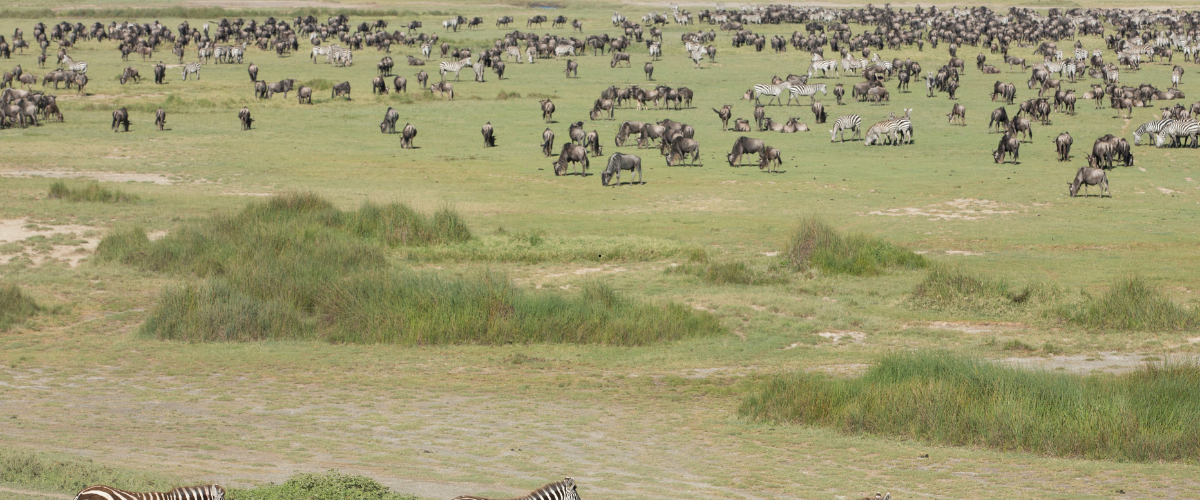
Unlike many travelers assume, the Great Migration is not a single event. It is a continuous journey that unfolds throughout the year, offering unique wildlife encounters every month. Driven by seasonal rainfall and the search for fresh grazing, this endless cycle of movement creates one of the most unforgettable wildlife experiences on the planet.
The Great Migration follows a circular route covering nearly 1,000 kilometers every year through:
- Southern Serengeti
- Central Serengeti
- Western Corridor
- Northern Serengeti
- Maasai Mara (Kenya)
- Back to Southern Serengeti
During the migration, you can encounter lions, leopards, cheetahs, African elephants, Cape buffalo, black rhinoceros (occasionally), hyenas, Nile crocodiles, hippos, and hundreds of bird species.
January – March: Calving Season and Thriving Herds
January – Green Plains and the Start of Calving Season
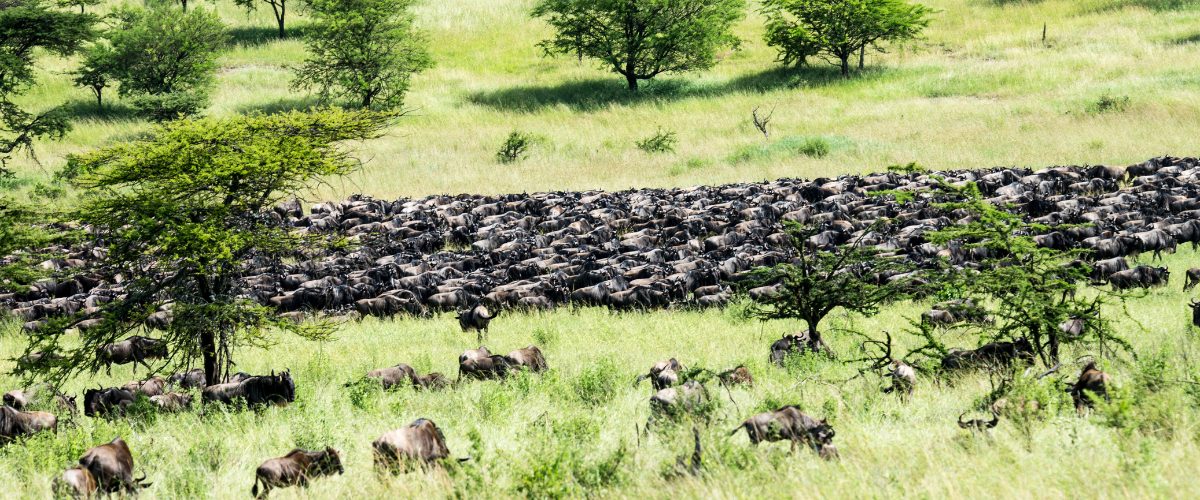
January finds the migration spread across the fertile short-grass plains of the southern Serengeti and Ndutu region. These nutrient-rich volcanic grasslands provide ideal grazing conditions for heavily pregnant wildebeest. The landscape is lush following the short rains, making it one of the most scenic times to visit.
February – Peak Calving Season
February is one of the most exciting months in the Serengeti ecosystem. Within just a few weeks, approximately 500,000 wildebeest calves are born, marking one of the largest synchronized births anywhere in the animal kingdom. Most stand within minutes of birth and begin running with their mothers within hours. The abundance of vulnerable calves attracts lions, cheetahs, hyenas, jackals, and leopards.
March – Thriving Herds and Active Predators
March continues the excitement as calves become stronger and begin travelling alongside the larger herds. The southern Serengeti remains rich with wildlife, while predators continue taking advantage of the abundance of prey. Although occasional rain showers occur, they rarely interfere with safari activities.
April – June: The Move West and Grumeti River
April – The Long Rains Bring New Life
April marks the beginning of Tanzania’s long rainy season. The scenery transforms into a lush paradise filled with wildflowers, dramatic clouds, and vibrant green grasslands. Many safari camps offer attractive low-season rates, making April an excellent choice for travelers seeking value.
May – Long Columns on the Move
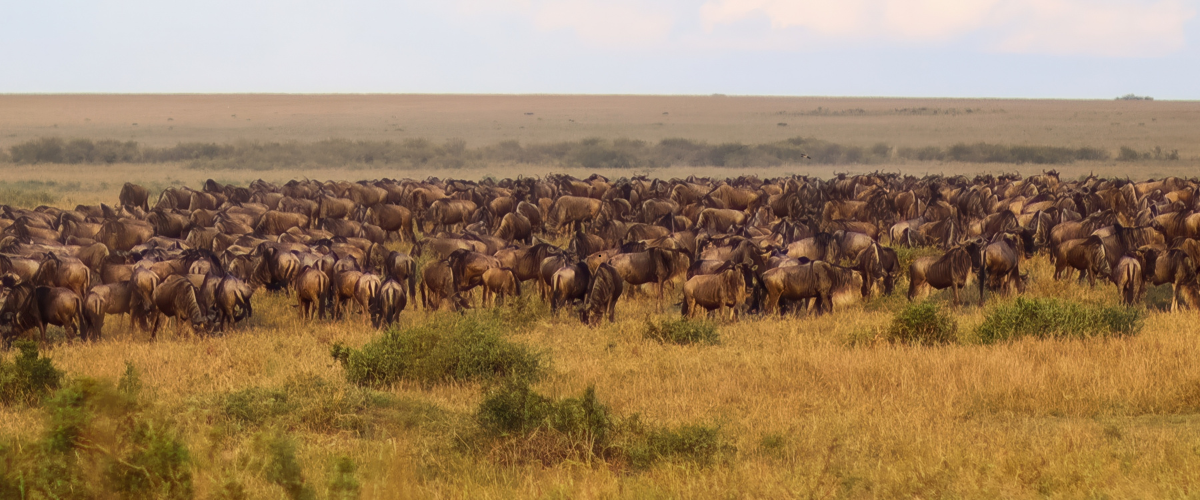
By May, the migration becomes increasingly mobile. The enormous herds begin their journey toward the Western Corridor, creating one of the migration’s most visually impressive spectacles. Long lines of wildebeest stretch across the horizon for kilometers, kicking up dust as they move together in search of fresh grazing.
June – The Western Corridor and the Grumeti River Crossings
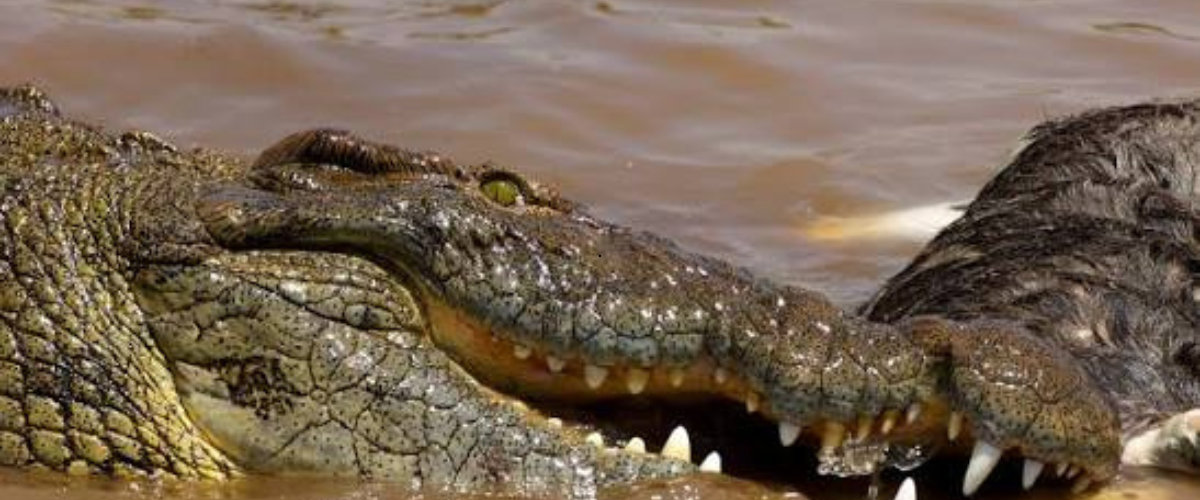
As the long rains come to an end, June marks the beginning of the dry season. The massive herds leave the central Serengeti and continue their journey toward the Western Corridor. Here, large Nile crocodiles patiently wait for the migrating herds at the Grumeti River crossings, creating dramatic wildlife encounters.
July – October: Mara River Crossings and Peak Action
July – The Journey to the Mara River Begins
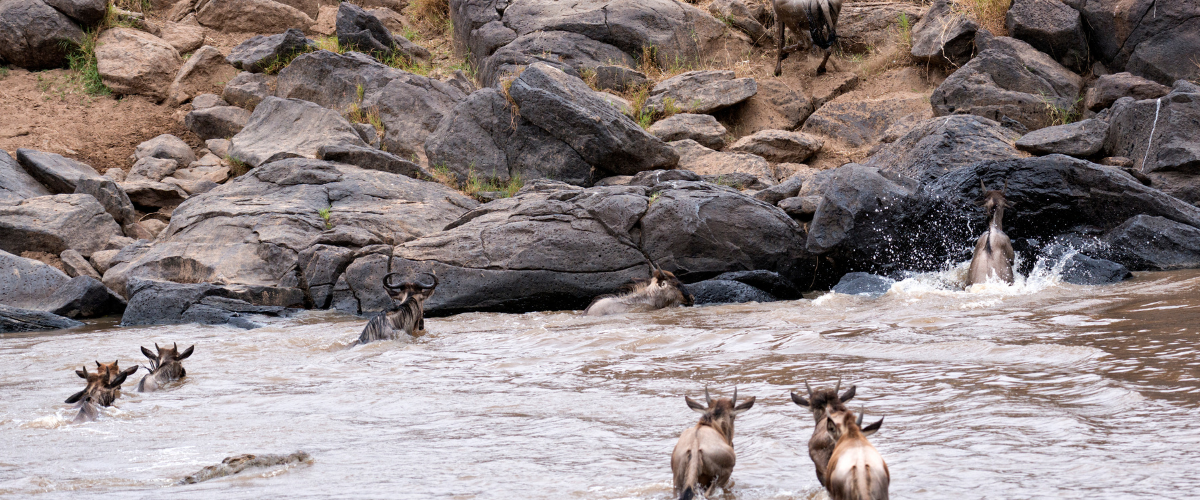
July is considered one of the best months to experience the Great Migration. The enormous herds continue north toward the Northern Serengeti, approaching the legendary Mara River. River crossings are unpredictable, and thousands of wildebeest may gather on the riverbank for hours—or even days—before suddenly charging into the fast-flowing water.
August – Peak Mara River Crossing Season
August is the month many travelers dream about. The migration reaches its most dramatic stage as thousands of wildebeest repeatedly cross the Mara River while searching for fresh grazing. Powerful currents, steep riverbanks, and enormous crocodiles make every crossing a fight for survival.
September – Northern Serengeti at Its Best
Many herds continue moving between Tanzania and Kenya, crossing the Mara River multiple times depending on rainfall and grazing conditions. Predator activity remains incredibly high, with lions patrolling the grasslands, leopards hunting from riverine forests, and cheetahs chasing gazelles across open plains.
October – The Migration Begins Heading South
By October, changing weather patterns begin influencing the migration once again. Some herds remain in the Northern Serengeti, while others gradually start moving south toward Central Serengeti in anticipation of the short rains. October combines fantastic wildlife with a quieter atmosphere.
November – December: Heading South to Complete the Cycle
November – Following the Fresh Rains South
November signals the arrival of the short rains, transforming the Serengeti into a vibrant green landscape once again. The migration responds instinctively, with the herds gradually leaving the northern regions and beginning their journey south.
December – Completing Nature’s Endless Circle
By December, most of the migrating herds have returned to the Southern Serengeti and the Ndutu Conservation Area, completing another remarkable annual cycle. Pregnant females prepare to give birth over the coming weeks, and the fertile short-grass plains once again provide the nutrients needed for the upcoming calving season.
Best Time to Visit the Serengeti Based on Your Interests
| Interest | Best Months | Highlights |
|---|---|---|
| Calving Season | January – March | Newborn wildebeest, predator action, green landscapes, family safaris |
| River Crossings | July – September | Mara River crossings, giant crocodiles, dramatic encounters, peak season |
| Photography (Lush) | January – March | Green landscapes, baby animals, dramatic clouds, predator interactions |
| Photography (Action) | July – September | Golden light, river crossings, dust-filled landscapes, spectacular action |
| Avoid Crowds | Mar, Apr, May, Nov | Excellent wildlife viewing, more exclusive safari experience |
Essential Safari Planning Tips
- Book Early: Accommodation in Northern Serengeti often sells out 6–12 months in advance, particularly during July, August, and September.
- Stay Close to the Migration: Choosing camps strategically located near the migrating herds allows you to reach wildlife before larger crowds arrive. For comfortable lodges and authentic tented camps, explore Tanzania Wild Camps.
- Travel for at Least 6–8 Days: Longer safaris increase your chances of witnessing different stages of the migration while allowing time to explore several national parks.
- Combine Multiple Parks: Enhance your adventure by combining Serengeti National Park, Ngorongoro Crater, Tarangire National Park, and Lake Manyara National Park.
- Pack Smart: Bring neutral-colored clothing, binoculars, a camera with a telephoto lens, sunscreen, a hat, insect repellent, and comfortable walking shoes.
Frequently Asked Questions
Is the Great Wildebeest Migration guaranteed?
The migration is a natural phenomenon influenced by rainfall and grazing conditions. While exact locations vary slightly each year, experienced safari operators closely monitor herd movements to maximize viewing opportunities.
Which month offers the best river crossings?
July through September generally provide the highest chance of witnessing dramatic Mara River crossings.
Can I see the migration throughout the year?
Yes. The migration never stops. Different sections of the herds occupy different regions of the Serengeti ecosystem throughout the year.
Is February better than August?
It depends on your interests. Choose February if you want calving season, newborn wildlife, green landscapes, and predator interactions. Choose August if you want Mara River crossings, peak migration action, dry weather, and incredible wildlife photography.
Is the Serengeti suitable for families?
Absolutely. Many safari lodges and camps welcome families and offer customized itineraries suitable for children, making Tanzania an unforgettable destination for travelers of all ages.
Begin Your Adventure
Ready to Witness Africa’s Greatest Wildlife Spectacle?
The Serengeti Wildebeest Migration is more than a safari—it’s one of the greatest natural events on Earth. Whether you want to witness thousands of wildebeest crossing the Mara River, photograph newborn calves during calving season, or simply immerse yourself in Africa’s breathtaking wilderness, every visit offers memories that will last a lifetime.
For authentic tented camps and comfortable safari lodges located near Tanzania’s most iconic wildlife destinations, visit Tanzania Wild Camps. Explore the endless plains of the Serengeti, descend into the Ngorongoro Crater, and relax after an exciting game drive with exceptional hospitality in spectacular natural settings.