

What Is the Wildebeest Calving Season?
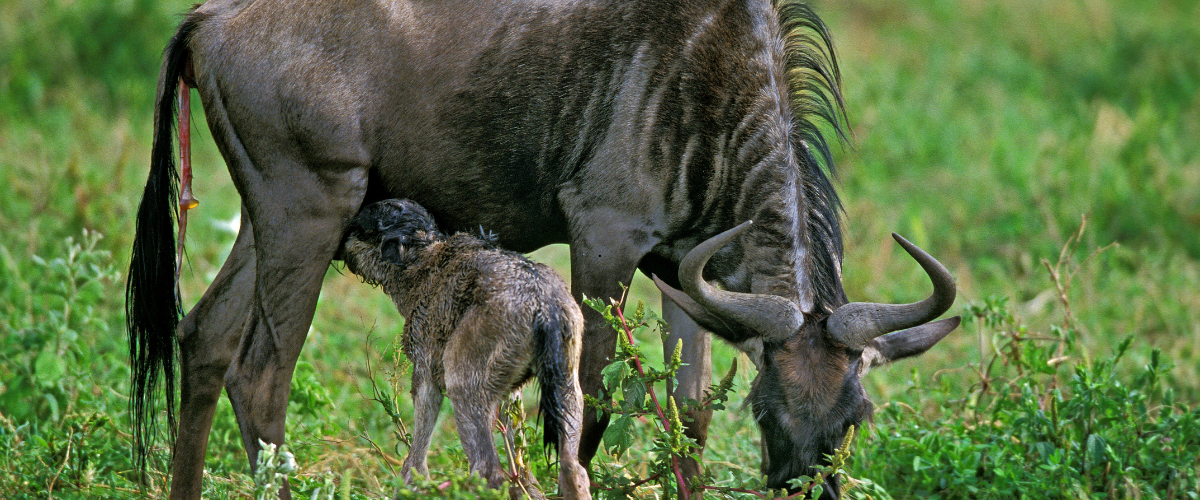
The wildebeest calving season is one of the most remarkable periods in the Great Migration cycle. During the early months of the year, large herds concentrate on the short-grass plains of the southern Serengeti ecosystem and the Ndutu area, where many calves are born over a relatively short period.
This synchronised birthing is an evolutionary strategy. By flooding the plains with tens of thousands of vulnerable newborns in a compressed window, the herds overwhelm predators. Individual calves still face high risk, but the sheer numbers improve the survival odds of the population as a whole.
For safari travellers, the Ndutu calving season and the wider Southern Serengeti safari experience offer intimate views of new life, intense predator activity, and vast herds moving across open grasslands under soft early-year light.
Why the Wildebeest Calving Season Is Special
The plains can hold large concentrations of wildebeest, zebra and other herbivores. The arrival of young animals also attracts predators, creating opportunities to observe natural behaviour and the constant relationship between predator and prey.
During the peak of the Great Migration calves period, the short-grass plains become a living theatre. Lion prides, hyena clans, cheetahs and jackals all increase their hunting activity. Guides often report multiple predator sightings in a single morning.
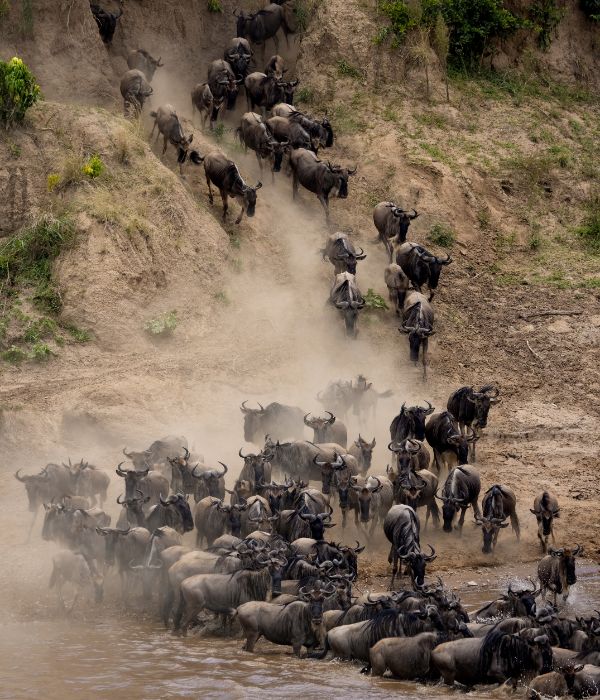
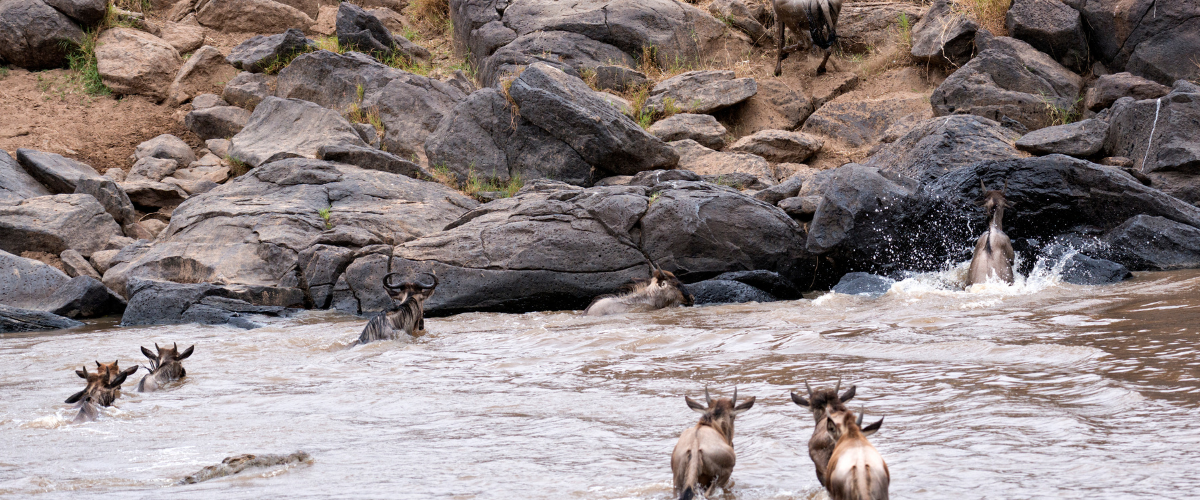
Beyond the drama, the season offers softer light, fewer crowds than the later river-crossing months, and a more intimate connection with the migration. You are witnessing the renewal of the herds that will later cross the Grumeti and Mara rivers.
- Mass birthing: Thousands of calves born daily at the peak, creating extraordinary photographic and behavioural moments.
- Predator concentration: Lions, cheetahs, hyenas and wild dogs are highly active and often more visible than at other times of year.
- Open landscapes: Short grass and flat plains make wildlife easier to spot and photograph against clean backgrounds.
- Fewer vehicles: Compared with the northern Serengeti river crossings, the southern plains and Ndutu area can feel quieter and more exclusive.
When Should You Travel for the Calving Season?
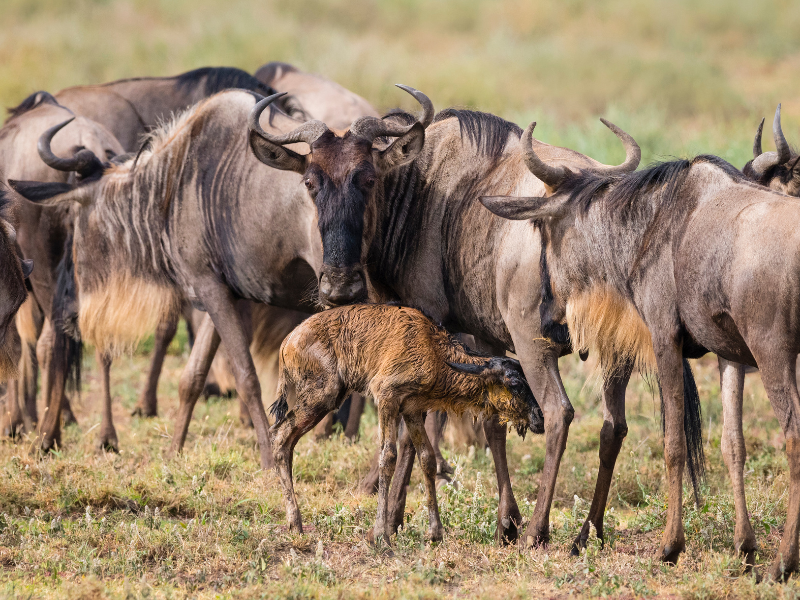
Calving is commonly associated with the January–February period, with significant activity often centred around February, but rainfall and natural conditions influence the herds. Exact locations and wildlife sightings can never be guaranteed.
Most operators treat late January through mid-March as the core window for a Southern Serengeti safari focused on calving. Early January can still see herds arriving; by late February and early March the majority of births have usually occurred, though residual activity and predator action remain strong.
Rainfall is the key variable. The short rains of November–December green the southern plains and draw the herds south. Once the grass is short and nutritious, the wildebeest remain to give birth. A late or light rainy season can shift the peak slightly later or alter exact locations within the Ndutu–southern Serengeti complex.
Practical timing guidance:
- Late January – mid February: Often the sweet spot for peak births and high predator activity.
- Late February – early March: Still excellent for calves, residual birthing, and continued predator drama.
- Flexibility: Build a few buffer days into your itinerary if possible; herds and conditions can shift week to week.
Always discuss current conditions with your operator closer to travel. Tanzania Wild Camps monitors herd movements and can advise on the best available camps and routes for your dates.
Southern Serengeti & Ndutu: The Heart of Calving Season
The southern Serengeti ecosystem and the adjoining Ndutu area form the classic stage for the wildebeest calving season. These short-grass plains stretch across both the Serengeti National Park and the Ngorongoro Conservation Area, creating a continuous landscape of open grassland ideal for large herds and for predators that hunt by sight.
Ndutu itself is particularly famous. Seasonal lakes, scattered acacia woodlands and endless plains combine to produce some of the most photogenic and wildlife-rich scenery in the entire migration circuit. Many mobile and permanent camps position themselves here specifically for the January–March window.
A well-planned Southern Serengeti safari during this period focuses on the areas where the densest concentrations of wildebeest and zebra are reported. Guides use radio networks, recent sighting information and local knowledge to position vehicles for both herd viewing and predator encounters.
Because the herds are concentrated rather than strung out along a migration corridor, game drives can be shorter and more productive. You spend less time driving between sightings and more time observing behaviour — mothers with newborns, territorial disputes, and the patient stalking of lions and cheetahs.
Wildlife Highlights & Predator–Prey Drama
The star of the show is the wildebeest and their Great Migration calves. Newborns can stand and run within minutes of birth — an astonishing adaptation that improves their chances against the many predators that gather for the feast.
Alongside the wildebeest you will find large numbers of zebra, Thomson’s and Grant’s gazelle, and often topi and eland. This combination of prey species creates a rich feeding ground that draws virtually every major predator in the ecosystem.
- Lions: Prides are highly active. Expect frequent hunting attempts, especially in the cooler hours of early morning and late afternoon.
- Cheetahs: The open plains suit their hunting style. Sightings of cheetahs with cubs or on the hunt are common highlights.
- Hyenas: Clans are extremely busy. You may witness coordinated hunting, scavenging at kills, and interactions with lions.
- Jackals and smaller predators: Always present around the herds, adding further layers of behaviour to observe.
The relationship between predator and prey is constant and visible. Guests who travel with realistic expectations — understanding that nature is unpredictable — often leave with the most memorable experiences.
Photography and Game Viewing Tips
This season can offer excellent wildlife photography, from newborn calves and herd behaviour to predators and wide open landscapes. Guests should always give wildlife space and follow their guide and park regulations.
The short grass and relatively flat terrain of the southern plains make composition easier than in denser bush. Golden hour light in the early morning and late afternoon is particularly beautiful.
Practical photography advice:
- Bring a telephoto lens (200–400 mm or equivalent) for intimate portraits of calves and predators without disturbing them.
- A wider lens is useful for landscape and herd shots that show the scale of the migration.
- Shoot in the cooler parts of the day when animals are most active and the light is softest.
- Respect distance. Never pressure your guide to approach too closely; stressed animals produce poorer images and poorer experiences.
- Be ready for fast action — predator chases can unfold in seconds.
Game viewing itself is typically excellent. Because the herds are concentrated, you often encounter multiple groups of wildebeest, zebra and predators in a single drive. Patience remains important: the best moments frequently come after you have spent time quietly observing a particular area.
Where to Stay During the Calving Season
Choosing accommodation with practical access to the areas where the herds are expected can reduce unnecessary driving and provide more time for game viewing.
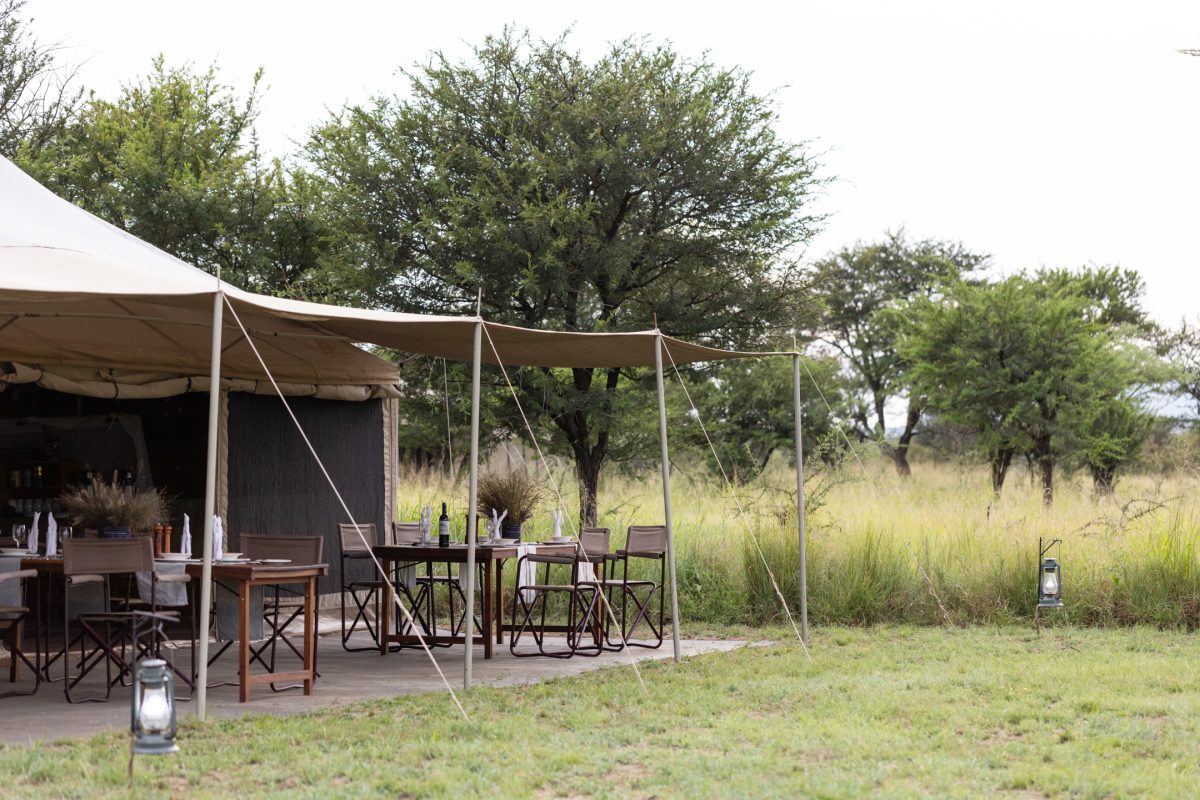
Mobile tented camps and semi-permanent camps that operate seasonally in the Ndutu and southern Serengeti region are often the strongest choice. They are positioned specifically for the calving period and can adjust location as the herds shift. Permanent lodges on the edge of the key zones can also work well when paired with early starts and experienced guides.
When selecting a camp, prioritise proximity to current or expected herd concentrations, experienced guides with strong local knowledge, flexible game-drive schedules, and comfortable but unobtrusive facilities.
Tanzania Wild Camps specialises in placing guests in the right camps at the right time. Our team monitors herd movements and can recommend properties that offer the best balance of access, comfort and authentic safari atmosphere for your dates.
Planning Your Southern Serengeti Calving Season Safari
A successful wildebeest calving season safari combines good timing, the right location, experienced guiding and realistic expectations. Nature does not follow a fixed timetable, and no operator can guarantee specific sightings. What you can control is preparation and positioning.
Recommended approach:
- Allow at least 3–4 nights in the southern Serengeti / Ndutu area to give yourself flexibility if herds move.
- Combine the calving focus with other northern circuit highlights (for example Ngorongoro Crater or central Serengeti) if your schedule allows.
- Travel with an operator that maintains close contact with camps and guides on the ground so last-minute adjustments are possible.
- Pack for variable weather: early-year conditions can include both hot sunny days and brief rain showers.
For more detailed planning resources, explore our travel guide and the dedicated page on Serengeti wildebeest camps that follow the Great Migration.
Frequently Asked Questions: Wildebeest Calving Season
When is the best time to see the wildebeest calving season?
The core period is typically late January through February, with strong activity often continuing into early March. Exact timing depends on rainfall and herd movements, so flexibility and up-to-date advice from your operator are important.
Where exactly does the calving take place?
Primarily on the short-grass plains of the southern Serengeti and the Ndutu area within the Ngorongoro Conservation Area. Herds can shift within this broader region from year to year and even week to week.
Will I definitely see newborn calves and predators?
Sightings cannot be guaranteed — this is wild nature. However, during the peak window the density of herds and predators is usually high, and most guests on well-positioned safaris enjoy excellent encounters with both calves and hunting activity.
How many days should I spend in the southern Serengeti / Ndutu?
Three to four nights is a practical minimum. Longer stays increase your chances of experiencing different weather conditions, herd locations and predator behaviour.
Is the calving season good for photography?
Yes. Open plains, soft light, newborn animals and high predator activity create outstanding photographic opportunities. Respectful guiding and appropriate lenses make a significant difference to results.
How do I book a calving-season safari with Tanzania Wild Camps?
Contact our team directly via the contact page. Tell us your preferred dates, group size and any specific interests (photography, predator focus, comfort level) and we will propose suitable itineraries and camps.
Ready for the Wildebeest Calving Season?
The short-grass plains of the southern Serengeti and Ndutu offer one of Africa’s most compelling wildlife experiences. Whether you come for the newborns, the predator action, or simply the vast open spaces filled with life, a well-timed safari during the calving season is unforgettable.
Ask our team about suitable Southern Serengeti / Ndutu accommodation and safari itineraries for the calving season. We will help you choose the right camps, the right dates, and the right guiding so you can focus on the experience itself.