
Why Choose a Multi-Camp Safari in Tanzania?
Tanzania’s vast landscapes, teeming with the iconic Great Migration, majestic Big Five, and vibrant Maasai culture, have long captivated adventurers. But if you’re planning a multiple camp safari in Tanzania, imagine elevating that wonder into something truly immersive. Instead of anchoring yourself to one spot, a multi-camp safari Tanzania style lets you weave through diverse ecosystems—from the crater’s lush rim to the endless plains of the Serengeti. It’s not just about seeing more; it’s about feeling the rhythm of the wild in layers, uncovering hidden gems that a single-camp stay might miss.
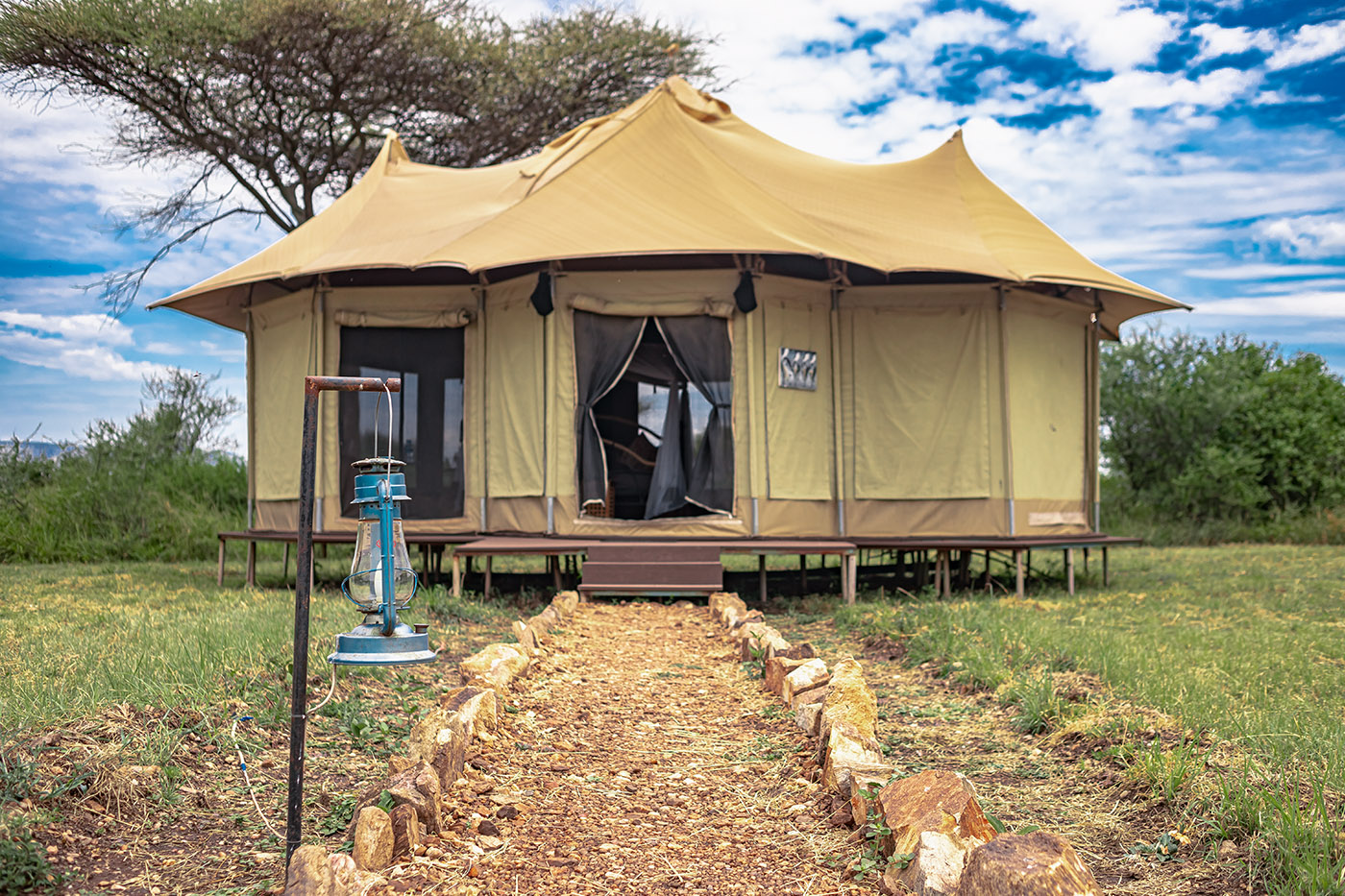
At Tanzania Wild Camps, we’ve curated a collection of exquisite lodges and camps strategically placed in the country’s premier national parks and conservation areas. Our properties, like the serene Highview Coffee Lodge overlooking Karatu’s highlands, the tented elegance of Ngorongoro Safari Lodge on the crater’s southern edge, and the wildlife-immersed Serengeti Safari Lodge in the heart of Seronera, are designed for seamless connections. Whether you’re doing two camps in a Tanzania safari for a whirlwind intro or linking three for an epic odyssey, our multi-camp safari Tanzania approach promises authenticity, luxury, and sustainability. In this guide, we’ll explore why this strategy transforms your trip, share sample itineraries, and spotlight our camps— all while arming you with tips to book your unforgettable journey.
Why Choose a Multi-Camp Safari in Tanzania?
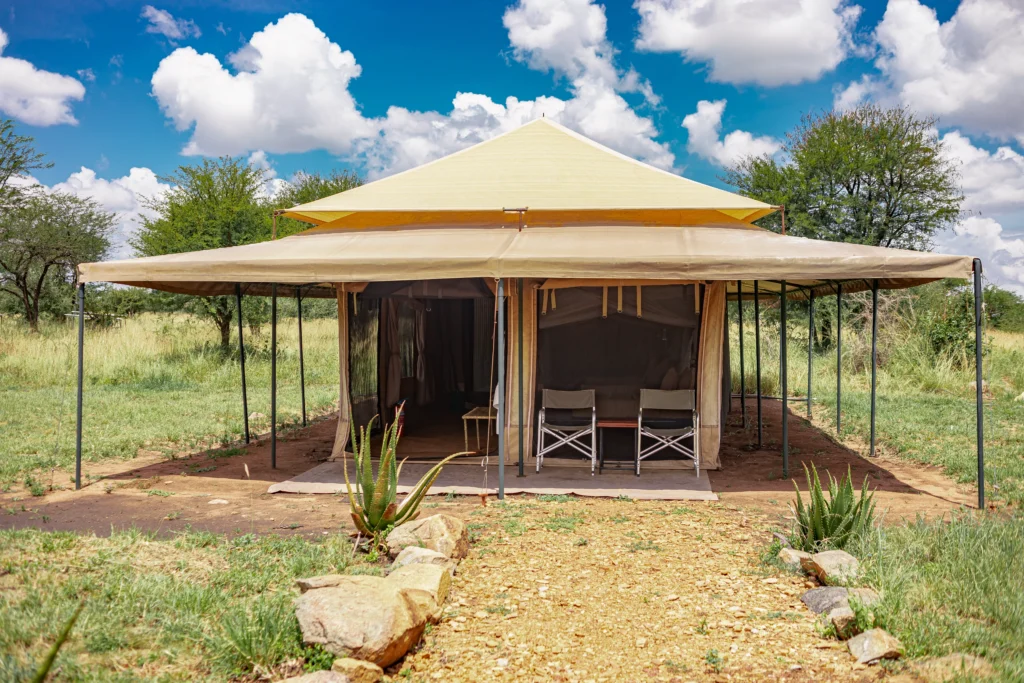
In a land where the wildebeest migration alone draws over 1.5 million travelers annually (according to Tanzania National Parks data), sticking to one camp risks missing the seasonal drama. A multiple camp safari in Tanzania counters this by aligning your stays with nature’s calendar. For instance, the Ngorongoro Crater’s dense wildlife concentrations peak in the dry season (June to October), while the Serengeti’s central plains explode with drama during the migration’s river crossings in July and August.
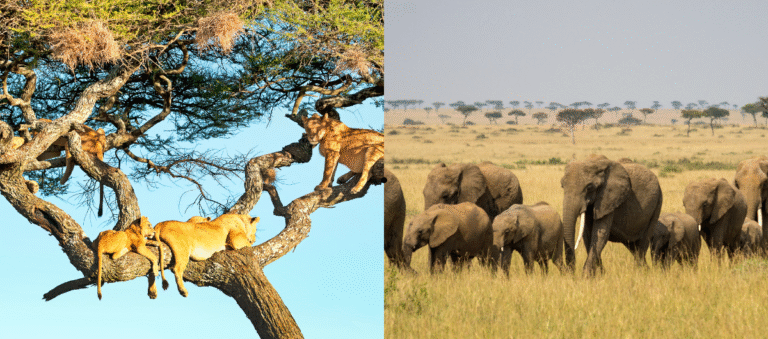
But the benefits go beyond logistics. Educationally, a multi-camp safari Tanzania exposes you to Tanzania’s biodiversity hotspots: the Ngorongoro Conservation Area (a UNESCO World Heritage Site since 1979) harbors over 25,000 large animals in a volcanic caldera, while the Serengeti spans 14,750 square kilometers of acacia-dotted savanna supporting 500 bird species and iconic predators. By doing two camps in a Tanzania safari, you contrast crater-floor black rhinos with Serengeti cheetah chases, fostering a richer understanding of ecosystem interconnections—like how migratory herds fertilize soils across parks.
Practically, it combats safari fatigue. Our guests often share how the first camp’s bush walks build anticipation, while the second’s game drives deliver payoff. Sustainability-wise, rotating camps disperses tourism impact; our eco-friendly properties use solar power and support anti-poaching initiatives, ensuring your adventure preserves the wild for generations.
Culturally, it’s a gateway to Maasai interactions—morning coffee chats at Highview evolve into evening dances at Ngorongoro—deepening your appreciation for Tanzania’s human-wildlife harmony. Studies from the African Wildlife Foundation highlight how such immersive travel boosts conservation awareness, with multi-destination visitors 30% more likely to advocate for protected areas post-trip.
In short, a multi-camp safari Tanzania isn’t extravagant; it’s essential for those seeking substance over snapshots.
Planning Your Multi-Camp Safari: Key Considerations for Success
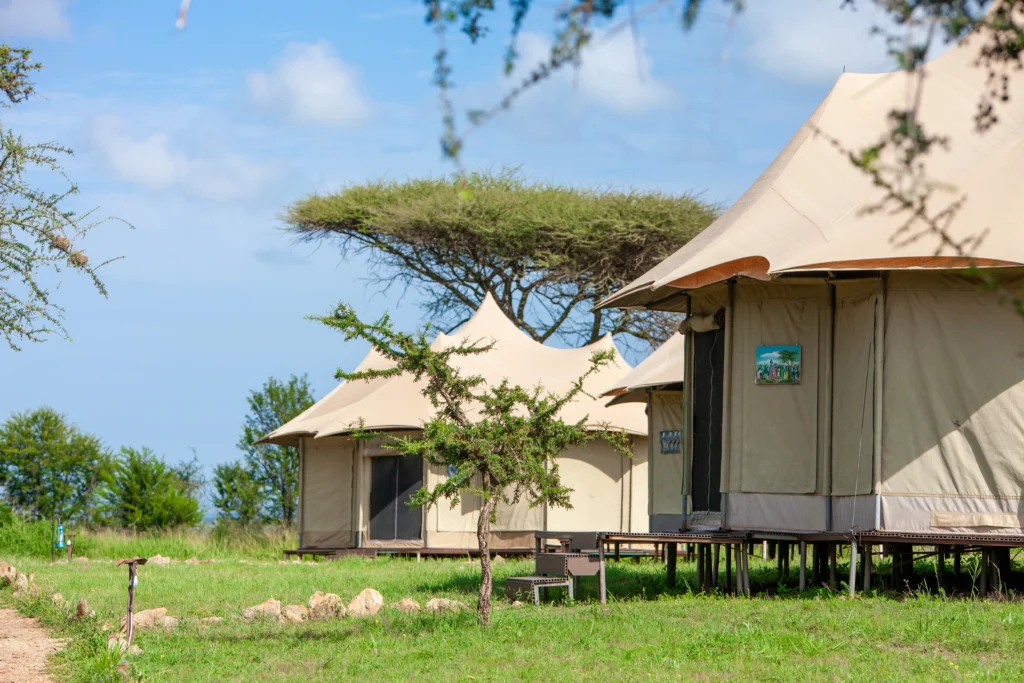
Embarking on a multiple camp safari in Tanzania requires thoughtful orchestration, but with our expertise at Tanzania Wild Camps, it’s effortless. Start with duration: A doing two camps Tanzania safari suits 5-7 days for first-timers, while three-camp circuits thrive in 8-12 days, allowing acclimation to jet lag and altitudes (Ngorongoro rims at 2,200 meters).
Transportation is pivotal. Fly from Arusha (Tanzania’s safari hub) to Seronera Airstrip for Serengeti access (45-60 minutes), or drive the scenic 140km from Arusha to Ngorongoro (2-3 hours via Makuyuni and Karatu). Our meet-and-greet services include seamless transfers between camps—think a private 4×4 convoy from Highview to Serengeti, complete with picnic lunches amid baobab groves.
Budgeting? Expect $400-800 per person/night for our luxury tents, including meals and select activities (flights extra at $200-300 one-way). Factor in park fees: $70/day for Serengeti, $80 for Ngorongoro. Peak season (June-October) books fast, so reserve 6-9 months ahead—especially for 2026’s predicted migration peaks.
Health and packing tips: Consult CDC guidelines for yellow fever vaccination; pack layers for 10-30°C swings, binoculars for birding, and ethical photography gear. Our camps provide malaria prophylaxis advice and Wi-Fi for sharing (discreetly) your sightings.
Finally, customize: Families might prioritize kid-friendly Highview activities; couples, romantic Serengeti sundowners. Our team tailors itineraries, ensuring your multi-camp safari Tanzania aligns with passions—be it photography, birdwatching, or stargazing under unpolluted skies.
Spotlight on Our Camps: The Pillars of Your Multi-Camp Journey
Our properties aren’t just beds; they’re portals to Tanzania’s soul, perfect for multi-camp safari Tanzania synergy.
Highview Coffee Lodge: The Cultural Gateway

Perched at 1,800 meters above Karatu, Highview’s 8 stone cottages offer panoramic hill views and en-suite bliss. Amenities include a spa, infinity pool, and organic dining—try karibu salad with Eyasi olives. Unique? Coffee plantation walks reveal arabica’s role in Maasai economies, while bird hides spot 200 species. In a multi-camp setup, it’s your acclimation anchor, easing into wilder realms.
Ngorongoro Safari Lodge: Crater's Edge Intimacy
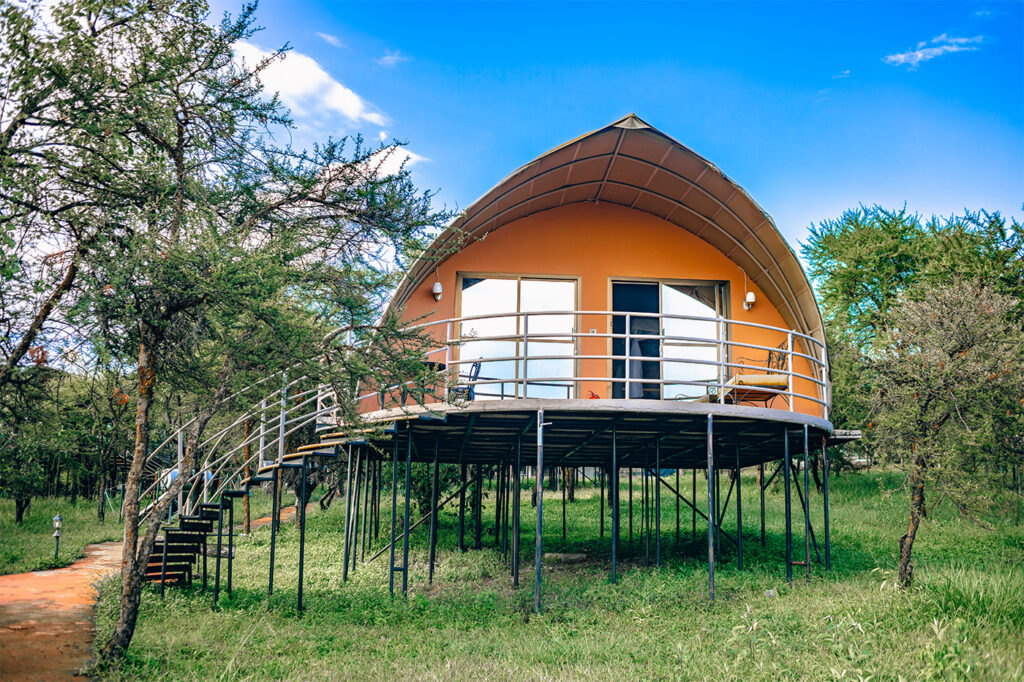
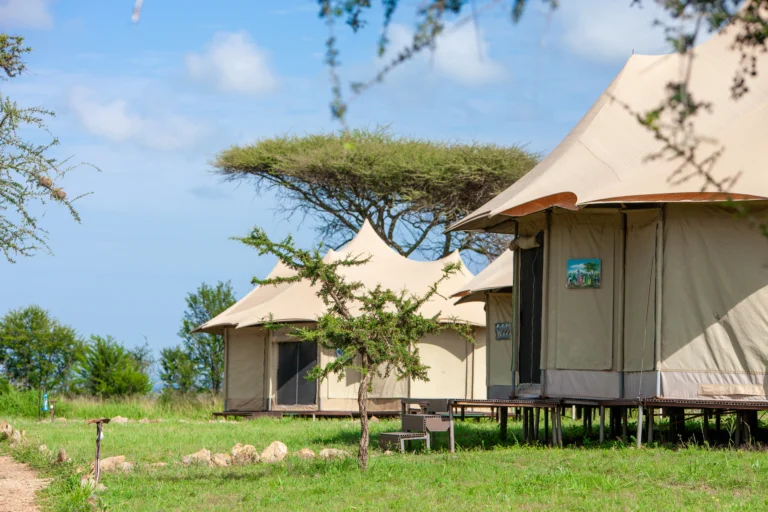
Southwest of Karatu in acacia savanna, our 10 luxury tents (2 guests each) feature stone bases, canvas tops, and bush-facing decks. Large dining halls host wildlife lectures; evenings glow with Maasai dances. Activities: Dawn crater drives for black rhino glimpses (only 30 remain globally). Sustainability shines—solar lights minimize footprint. Pair it with Serengeti for Big Five completion:
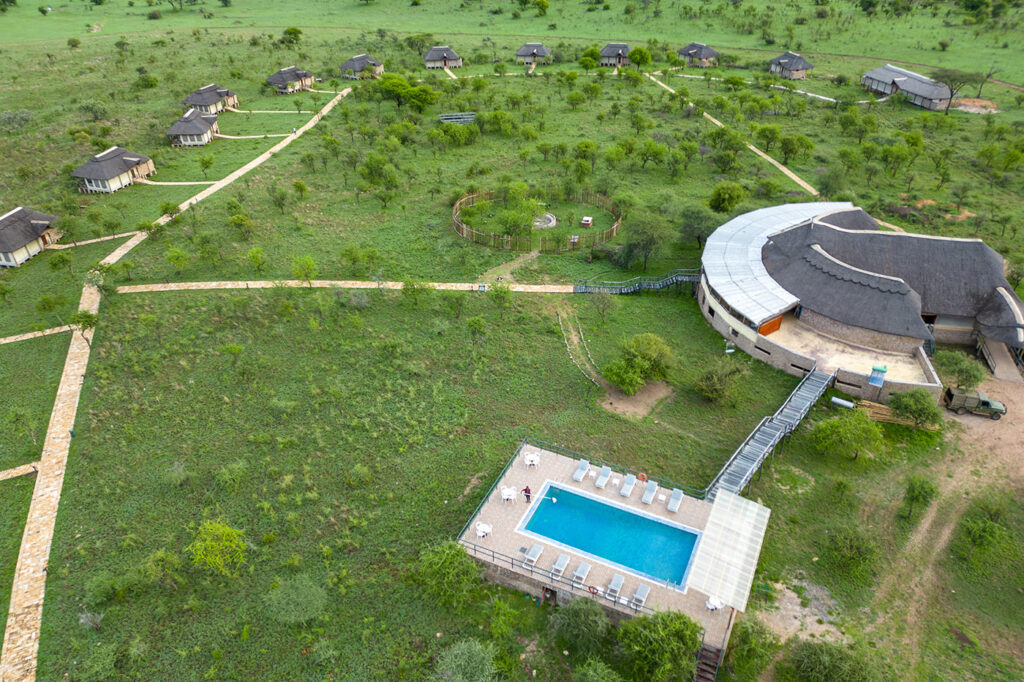
In Seronera’s central Serengeti, 15 tents with private baths overlook kopjes where leopards lurk. Lounge by the fireplace bar or plunge into our wild pool. Game drives from here access Seronera’s “Big Cat Capital.” Extras: Guided night walks (ranger-led) and photography hides. As a multi-camp finale, it cements epiphanies: “The migration felt personal after Ngorongoro’s intimacy.”
Honorable mention: Ikoma Wild Camp, in the Serengeti buffer zone, adds mobile-tent flexibility for migration chasers.
Tips for Maximizing Your Multi-Camp Safari – And Why Book with Us
To thrive: Pack versatile khakis (earth tones blend), journal sightings (enhances recall), and tip guides ($15-20/day) for insider lore. Respect “no trace” ethos—our camps model this with rainwater harvesting.
Choosing Tanzania Wild Camps? Our intimate scale (under 50 guests total) ensures personalized service—staff like guide Elias, with 15 years tracking leopards, craft bespoke routes. We’re 100% Tanzanian-owned, channeling profits to conservation (e.g., $50K donated to anti-poaching in 2024). Seamless bookings via our site include free itinerary tweaks.
Ready to deepen your safari? A multiple camp safari in Tanzania awaits—contact us today for 2026 availability. Your wild heart knows: One camp whispers; many roar.