

Lake Manyara Safari Overview
A Lake Manyara safari offers a compact, scenic introduction to Northern Circuit wildlife. Lake Manyara National Park stretches along the base of the Rift Valley escarpment. Groundwater forest, open floodplain, and the alkaline lake itself create several habitats in a relatively small area.
The park is famous for tree-climbing lions and for flocks of flamingos when conditions are right. It is often visited as a half-day or full-day stop between Tarangire and Ngorongoro. With thoughtful timing, it becomes more than a quick drive-through.
Tanzania Wild Camps includes Manyara in many multi-park routes. Wider planning help is available in our travel guide, and you can meet the team on the about us page.
Tree-Climbing Lions of Lake Manyara
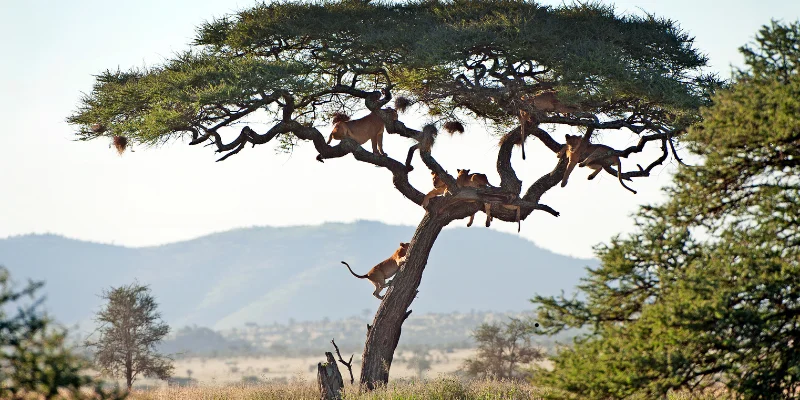
Tree-climbing lions are the park’s best-known draw. In Manyara, lions are sometimes seen resting on the branches of acacia and other trees. This behaviour is not unique to the park, yet it is more frequently observed here than in many other reserves.
Sightings are never guaranteed. When they occur, they create a memorable highlight for everyone in the vehicle. Guides know the areas where lions have been active and will search with care. Quiet observation gives the best chance of a prolonged view.
The reasons for tree-climbing are still discussed. Escape from insects, a breeze, or a better view of the surroundings are among the explanations. Whatever the cause, the image of a lion draped over a branch is one that stays with travellers.
Inclusive guiding ensures that all guests, including those with different mobility or photography needs, can enjoy the search and any sighting that follows.
Manyara Flamingos and Birdlife
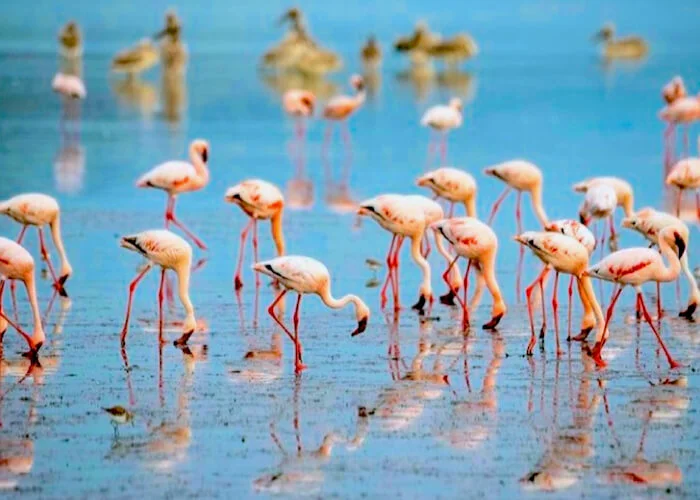
Manyara flamingos appear when the lake conditions suit them. Flocks can turn sections of the shoreline pink. Numbers vary with water levels and food availability. When the birds are present, they add a striking visual layer to the Lake Manyara safari.
Beyond flamingos, the park is rich in other bird species. Waterbirds use the lake edge. Forest species occupy the groundwater woodland. Raptors patrol the escarpment. Birders often rate Manyara highly even on a short visit.
A good guide will balance mammal searching with time for bird highlights. Guests who care about birds and those who focus on large game can both leave satisfied when the day is paced well.
For broader context on Tanzania’s protected areas, the Tanzania National Parks website offers official information.
Scenery and Habitats
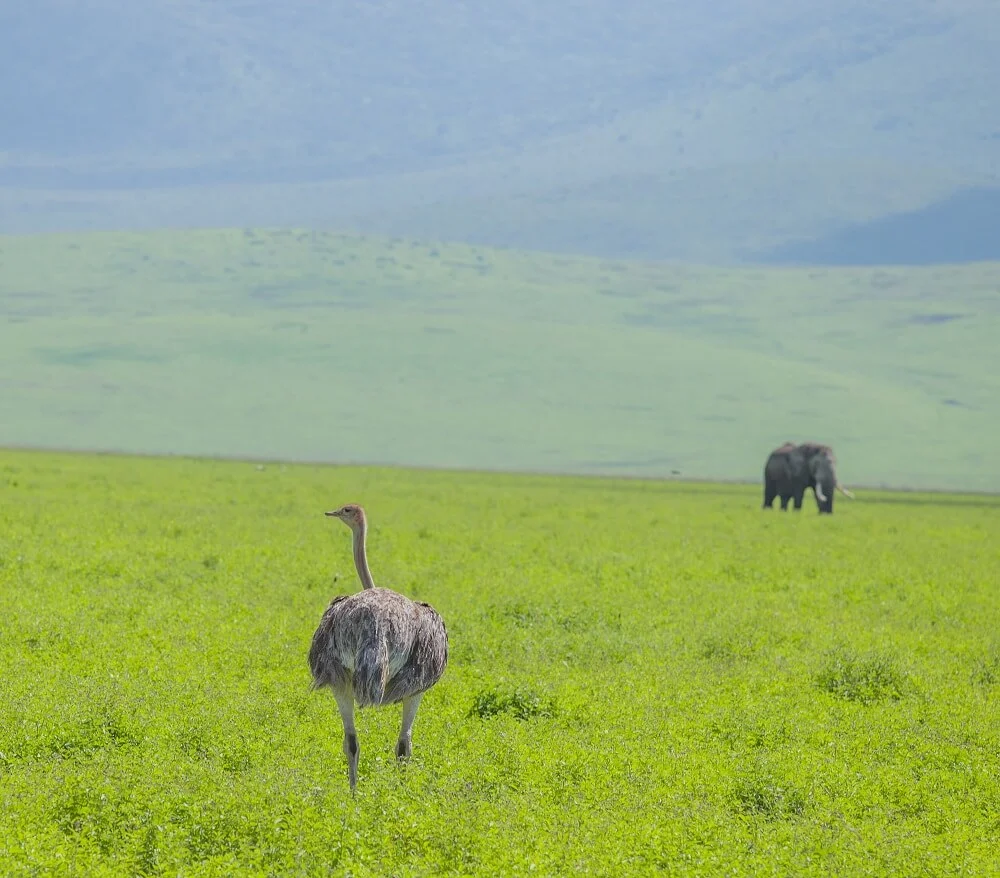
The setting of Lake Manyara National Park is dramatic. The Rift Valley escarpment rises steeply to the west. The lake spreads across the floor. Between them lie groundwater forest, open grassland, and seasonal floodplains.
The groundwater forest feels almost enclosed. Tall trees and thick undergrowth create a different atmosphere from the open savannah of Tarangire or the Serengeti. Elephants move through this woodland. Primates are often visible in the canopy.
Open areas near the lake give long views and easier game spotting. The contrast within a single park is part of what makes a Lake Manyara safari distinctive.
Photography benefits from the varied backdrops. Forest, water, and escarpment each offer different light and composition opportunities throughout the day.
Other Wildlife on a Lake Manyara Safari
Elephants are regularly seen, especially in and near the groundwater forest. Buffalo, giraffe, zebra, and various antelope use the open and edge habitats. Hippos occupy permanent pools and lake margins.
Primates are a feature. Olive baboons and vervet monkeys are common. Blue monkeys appear in the forest. Their activity adds movement and interest to game drives.
Predators beyond lions include leopards in wooded areas and hyenas. Sightings depend on luck and guide knowledge, as in any park. The compact size of Manyara means that a full day can cover a useful range of habitats.
Everyone on the drive can contribute by watching different sides of the vehicle and calling attention to movement. Shared attention improves the group’s overall experience.
Best Season for Lake Manyara
Lake Manyara can be visited year-round. Dry months offer easier driving and concentrated game near water. Green months bring lush forest and strong bird activity. Flamingo presence depends more on lake conditions than on a simple seasonal calendar.
Many Northern Circuit trips pass through Manyara in the dry season as part of a larger route. That timing aligns with peak conditions in Tarangire and the Serengeti. Shoulder periods can still deliver excellent days with fewer vehicles.
Your guide will adapt the day’s focus to current wildlife patterns. Flexibility within the park is one of its strengths.
Seasonal notes for the wider region appear in our travel guide.
How Lake Manyara Fits Northern Circuit Itineraries
Lake Manyara is often scheduled as a half-day or full-day stop between Tarangire and the Ngorongoro highlands. A morning in the park followed by a transfer to Karatu or the crater rim works well for many groups.
A longer stay is possible if you want more time for forest drives, birding, or simply a slower pace. Most visitors, however, find that one focused day captures the main highlights: scenery, possible tree-climbing lions, and lake birdlife.
Cultural visits in nearby villages can be arranged for those who want a human dimension alongside wildlife. Inclusive planning ensures that interests within the group — wildlife, culture, photography — are balanced fairly.
Ready-made multi-park options are easy to discuss. Write to us through contact us with your dates and priorities.
Where to Stay Near Lake Manyara and Ngorongoro
Most guests stay outside the park in the Karatu area or on the crater rim. This keeps access flexible for both Manyara and Ngorongoro.
Highview Hotel Karatu offers a comfortable base with strong access to the crater and the lake. Sunset Village Lodge provides a quieter, tranquil alternative in the same region.
Choosing a stay that serves both parks reduces packing and transfer time. Your group can then focus on game drives and rest rather than logistics. The team can help match the right property to your style and budget.
Lake Manyara Safari FAQs
Will I see tree-climbing lions?
Sightings are possible but never guaranteed. Guides know where lions have been active and will search carefully. The behaviour is more frequent here than in many other parks.
How long should I spend in Lake Manyara National Park?
A half-day or full day suits most itineraries. Longer stays are possible for birding or a slower pace.
When are flamingos present?
Flamingo numbers depend on lake conditions. When present, flocks can be spectacular. Your guide will know the current situation.
Is Manyara suitable for all ages?
Yes. The park’s compact size and varied scenery work well for mixed groups, including families and first-time safari guests.
How do I add Manyara to my trip?
Contact us with your dates. We will show clear options that combine Lake Manyara with Tarangire, Ngorongoro, and other Northern Circuit highlights. Start via contact us.
Include Lake Manyara in Your Safari
Ready for tree-climbing lions, flamingos, and Rift Valley scenery? Tell us your dates and group needs. We will design a Lake Manyara safari segment that fits smoothly into your Northern Circuit journey.