

Why Choose a Ngorongoro Safari
A Ngorongoro safari offers something rare. The Ngorongoro Crater is a collapsed volcano that holds a high density of animals in a relatively small space. As a result, many visitors see multiple Big Five members in a single day.
The site is a UNESCO World Heritage area. It combines wildlife, dramatic scenery, and living Maasai culture. Therefore a Ngorongoro Crater safari feels both wild and human at the same time.
Most travellers add the crater to a wider Northern Circuit trip. It pairs well with the Serengeti. The crater gives concentrated sightings. The Serengeti gives open space and the migration. Together they create a balanced safari.
This guide covers the Ngorongoro wildlife, the best seasons, practical rules, and where to stay on the rim. Tanzania Wild Camps operates camps and lodges that suit different budgets and styles.
Inside the Ngorongoro Crater
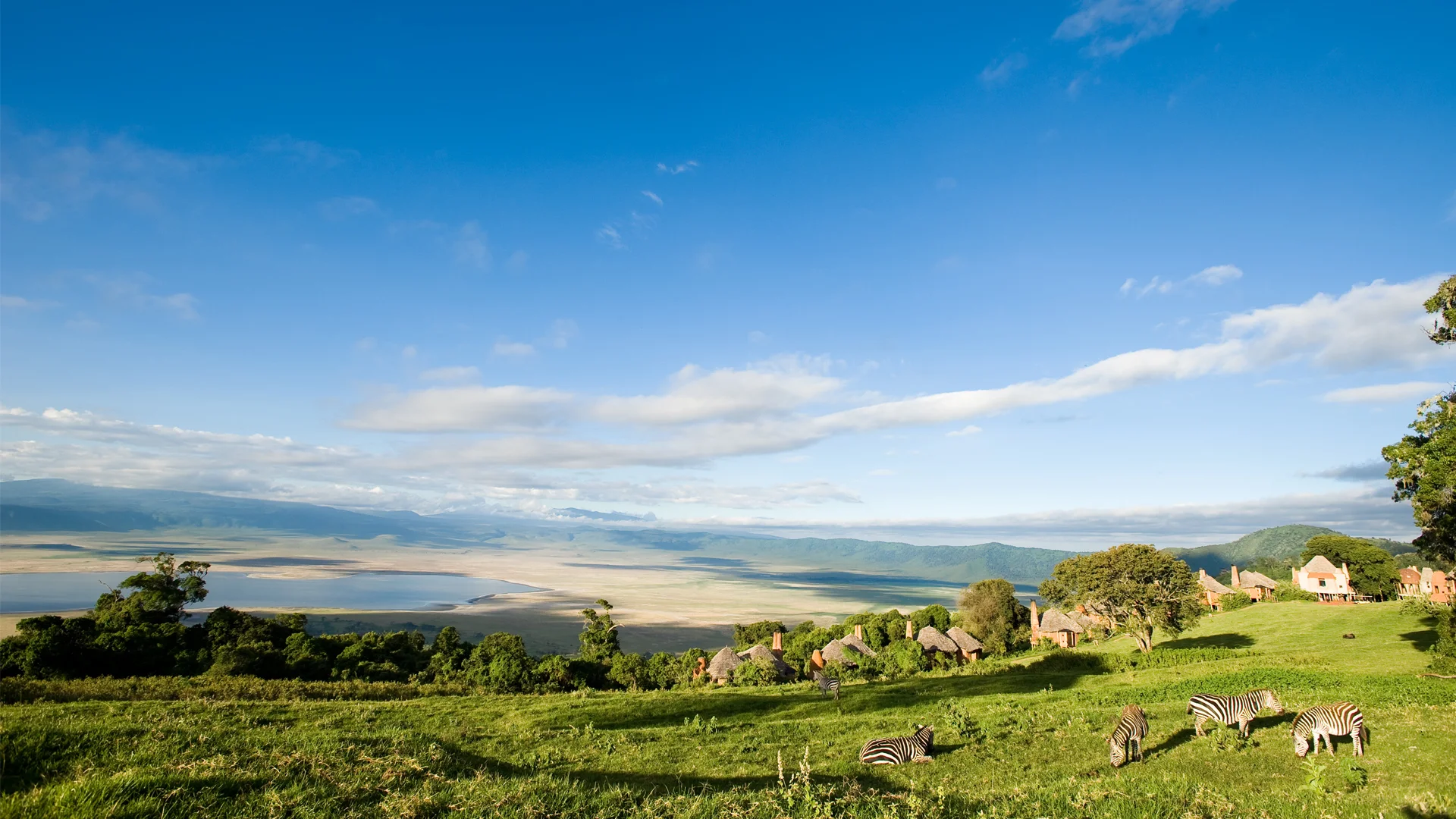
The Ngorongoro Crater is about 260 square kilometres on the floor. Steep walls rise around it. Animals can move in and out through a few routes, yet many stay inside for long periods. This creates the famous density of Ngorongoro wildlife.
The floor holds grassland, swamp, forest patches, and a soda lake. Each habitat supports different species. Flamingos often gather at the lake. Hippos use the pools. Lions and hyenas patrol the open areas. Elephants move through the woodlands.
Because the space is limited, vehicles follow set routes and time limits. These rules protect both the animals and the experience. A good guide knows the patterns and places you in the right spots without pressure.
The rim sits much higher. Mornings can be cold and misty. The view down into the crater is one of the classic safari sights in Africa.
The crater floor sits roughly 600 metres below the rim. The drive down takes about twenty to thirty minutes depending on conditions. Once on the floor the sense of enclosure is immediate. Steep green walls rise on all sides.
This natural bowl is why Ngorongoro wildlife stays so visible. Animals use the same water sources and grazing areas day after day. Guides learn their habits and can often predict where to look first.
Ngorongoro Wildlife You Can Expect
Ngorongoro wildlife is dense and varied. Lions are almost guaranteed on a full day in the crater. Buffalo appear in large numbers. Elephants are regular. Black rhinos still live here, though sightings are never certain. Leopards are possible in the wooded areas.
Big Five on a Ngorongoro Crater Safari
Many visitors record four or five of the Big Five in one crater day. That success rate is higher than in most open parks. The closed nature of the crater helps. Animals cannot simply walk away out of sight for long.
Other Ngorongoro Wildlife
Hyenas are common and bold. Jackals, warthogs, and various antelope fill the grasslands. Hippos rest in the pools. Birdlife is rich, especially around water. The mix of species makes every drive feel full.
Black rhinos are a special draw. Their numbers are carefully protected. Sightings are never guaranteed, yet the crater remains one of the more reliable places in Tanzania to see them. When a rhino appears, vehicles keep respectful distance.
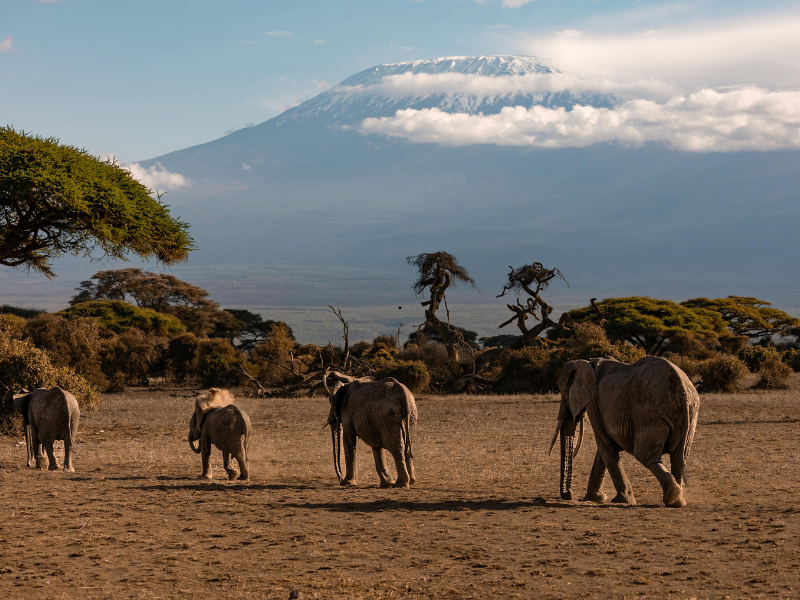
Elephants in the crater are often large bulls or small family groups. They move between the Lerai Forest and the open plains. Their presence adds scale to every view.
Ngorongoro Crater vs Serengeti: How They Differ
Both places are excellent. They simply offer different experiences. The Serengeti is vast and open. The migration moves across it. You need more days to cover ground. A Ngorongoro safari is more compact. One full day on the floor often delivers a high number of sightings.
Serengeti suits travellers who want space, migration drama, and longer game drives. Ngorongoro Crater suits those who want dense Ngorongoro wildlife and a dramatic setting in a shorter time. Most Northern Circuit trips include both.
In short, the crater is the high-density highlight. The Serengeti is the wide-open heart. Together they form a complete picture.
Best Time for a Ngorongoro Crater Safari
Ngorongoro wildlife remains strong all year. The crater’s permanent water and enclosed shape keep animals visible in every season. Therefore you can plan a Ngorongoro safari for almost any month.
The dry months from June to October bring short grass and clear views. Animals gather near water. This is peak season for the wider Northern Circuit as well.
The green season after the rains turns the floor lush. Newborn animals appear. Birdlife increases. Some travellers prefer the softer light and lower vehicle numbers of these months.
Mornings on the rim can be cold in the dry season. Pack layers. The descent into the crater often brings warmer air. For wider seasonal advice, see our travel guide.
Game Drives on the Crater Floor
A typical Ngorongoro Crater safari day starts early on the rim. You descend through the gate and spend several hours on the floor. Guides follow the allowed tracks and time limits set by the authorities.
Picnic lunches are common. Many groups stop at a designated site to eat while animals move in the distance. In the afternoon you continue viewing before climbing back to the rim.
Because the space is shared, good guiding and timing matter. Experienced drivers know where lions rested the day before and where rhinos have been seen recently. That knowledge turns a standard drive into a stronger one.
Vehicles must stay on the roads. Off-road driving is not allowed on the crater floor. This rule protects the grass and the animals. It also keeps the experience fair for everyone.
Vehicle numbers are controlled. Only a limited number of cars may enter each day. This rule helps protect the grass and reduces pressure on the animals. It also means that peak-season dates can fill quickly.
Guides communicate by radio. When a rare sighting occurs, other vehicles can move toward it in an orderly way. This system works best when everyone follows the rules and keeps noise low.
Maasai Culture and the Conservation Area
The Ngorongoro Conservation Area is home to Maasai communities as well as wildlife. You may see herders and cattle on the highlands around the crater. Cultural visits can be arranged with respect and through proper channels.
These encounters add a human layer to the Ngorongoro safari. They show how people and wildlife share the same landscape. Always use operators who work with the communities fairly and avoid staged or intrusive visits.

Crater-Rim Camps and Lodges for Your Ngorongoro Safari
Most visitors stay on the crater rim. The views at dawn and dusk are memorable. From the rim you can reach the floor gate in a short drive.
Tanzania Wild Camps offers options that suit different styles. The Ngorongoro Wild Camp provides a closer-to-nature tented experience. The Ngorongoro Safari Lodge offers more permanent comfort and facilities.
Choose based on your preference for tented atmosphere or lodge amenities. Both locations give easy access to the crater floor for a full Ngorongoro Crater safari day.
For help matching a property to your dates and group, use the contact us page. You can also learn more about the team on our about us page.
Ngorongoro Safari Costs and Fees
A Ngorongoro safari includes park and conservation fees that are higher than some other Tanzanian parks. There is also a vehicle crater fee. These costs are set by the authorities and apply to every visitor.
Accommodation on the rim ranges from comfortable tented camps to higher-end lodges. A full day on the floor with a private vehicle and guide forms the core activity cost. Many Northern Circuit packages include the crater as one or two nights within a longer trip.
Because the crater delivers high sighting density in a short time, many travellers find the cost worthwhile. Always confirm what is included in any quote: fees, vehicle, guide, meals, and transfers.
Practical Tips for Your Ngorongoro Crater Safari
- Start early to maximise time on the floor and softer light.
- Bring warm layers for the rim, especially in the dry season.
- Carry binoculars and a camera with zoom for distant animals.
- Follow guide instructions on the floor. Roads and time limits protect the site.
- Combine the crater with the Serengeti for a fuller Northern Circuit experience.
- Book rim camps in advance during peak months.
These simple steps help you get the most from the dense Ngorongoro wildlife and the dramatic setting.
Many guests combine one or two nights on the rim with several nights in the Serengeti. The contrast is striking. Dense crater viewing followed by open plains and migration herds creates a full picture of northern Tanzania.
If time is short, a single crater day still delivers high value. The density of Ngorongoro wildlife means even a few hours can produce strong sightings of lions, buffalo, and elephants.
Ngorongoro Safari Frequently Asked Questions
How long should I spend on a Ngorongoro Crater safari?
One full day on the floor is the standard. Many visitors stay one or two nights on the rim so they can enter early and leave late.
Can I see the Big Five in the Ngorongoro Crater?
Yes. The crater offers some of the best Big Five odds in Tanzania. Lions, elephants, buffalo, and often rhino or leopard appear on a good day.
Is the Ngorongoro Crater open all year?
Yes. Ngorongoro wildlife stays strong in every season. Dry months give clearer views. Green months bring lush scenery and newborns.
Do I need a special permit for the crater?
Entry is managed through the conservation area fees and vehicle rules. Your operator handles the paperwork as part of the safari arrangement.
Can I stay overnight on the crater floor?
No. Overnight stays are on the rim or outside the crater. Day visits only are allowed on the floor.
Book a Ngorongoro Crater Safari
Ready for dense Ngorongoro wildlife and one of Africa’s great views? Tanzania Wild Camps offers rim camps and lodges with easy access to the floor. Tell us your dates and we will build a clear plan.