
Best Time to Visit Serengeti in 2026: Complete Safari Season Guide
The Serengeti National Park remains one of the most extraordinary safari destinations on Earth. Known for its seemingly endless plains, dramatic predator action, and the world-famous Great Wildebeest Migration, the Serengeti attracts thousands of travelers every year seeking truly unforgettable wildlife experiences.
If you are planning a Tanzania safari in 2026, understanding the best time to visit Serengeti is the key to unlocking the trip of a lifetime. The right timing can help you maximize wildlife sightings, capture perfect photography, enjoy ideal weather conditions, and get the best overall value for your adventure.
In this complete guide, we break down the Serengeti safari seasons month by month, highlight the absolute best time to witness the Great Migration, and help you choose the perfect window for luxury safaris, family holidays, specialized photography tours, and budget-friendly adventures.
Why Visit Serengeti in 2026?
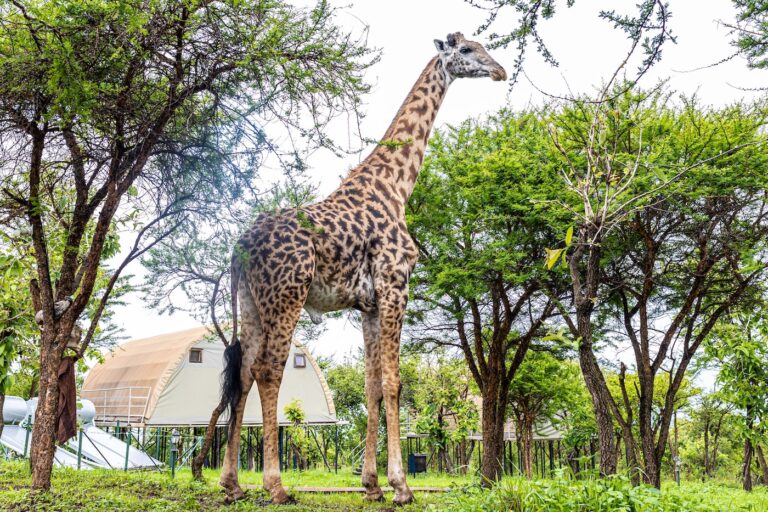
The Serengeti is one of Africa’s oldest, most celebrated, and pristine ecosystems. Located in northern Tanzania, the park covers an astonishing 14,750 square kilometers. It serves as a sanctuary for an incredible diversity of wildlife, giving you the chance to spot lions, leopards, elephants, buffaloes, rhinos, cheetahs, giraffes, hippos, crocodiles, and more than 500 unique bird species.
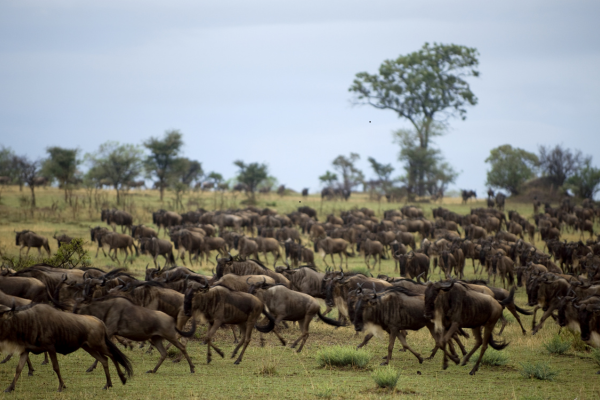
However, the biggest draw is undoubtedly the Great Wildebeest Migration—one of the largest and most spectacular wildlife movements on the planet, involving over two million wildebeests, zebras, and gazelles.
Booking a Serengeti safari in 2026 promises incredible, up-close wildlife encounters, stays in high-end luxury tented camps, authentic cultural experiences, and stunning African landscapes. Unlike many seasonal destinations that close down during certain months, the Serengeti offers phenomenal year-round game viewing. The secret simply lies in choosing the right season for the specific experience you are craving.
Understanding Serengeti Safari Seasons
The Serengeti ecosystem essentially experiences two major safari seasons: the Dry Season and the Green Season. Each period completely transforms the landscape and offers unique advantages for travelers.
The Dry Season in Serengeti (June to October)
Ask any safari expert, and they will likely tell you that the dry season is the premier time to visit the Serengeti for classic wildlife safaris. During these months, the lush vegetation begins to thin out and dry up, forcing animals to gather around remaining permanent rivers and waterholes. This makes wildlife incredibly easy to spot.
- Excellent Wildlife Viewing: With animals concentrated near water, your chances of seeing lions hunting, leopards resting in acacia trees, and cheetahs sprinting across the open plains skyrocket.
- Perfect Safari Weather: The skies are mostly clear, offering sunny days and comfortably cool nights. Rainfall is extremely rare, and the roads are highly accessible.
- Migration Crossings: This is the peak season for migration drama. If you want to see massive herds braving the treacherous river crossings, July through September is your window.
- Ideal for First-Timers: If this is your very first safari in Tanzania, the dry season offers the most reliable, action-packed game-viewing experience.
The Green Season in Serengeti (November to May)
The green season (also known as the wet season) transforms the Serengeti into a lush, vibrant paradise filled with fresh grasslands and dramatic, moody skies. Although some travelers avoid this period due to the threat of rain, it is actually a closely guarded secret among seasoned safari-goers.
- Beautiful Landscapes & Lower Prices: The plains become incredibly scenic, and many top-tier luxury camps offer heavily discounted rates, making it an affordable time to travel.
- Calving Season Drama: Between January and March, thousands of wildebeest calves are born daily. This sudden abundance of vulnerable prey attracts a massive concentration of predators.
- Exceptional Bird Watching: Migratory birds arrive from Europe and North Africa, turning the park into a paradise for bird lovers.
- Fewer Crowds: You can enjoy intimate game drives without the cluster of vehicles often seen during the peak dry season. Plus, the rain usually falls in short afternoon bursts rather than all-day storms.
Month-by-Month Guide to Serengeti in 2026
Understanding exactly what happens each month will help you pinpoint your ideal travel dates.
January to March: The Calving Season
This is one of the most thrilling times to be in the Serengeti. The great herds gather in the southern Serengeti and Ndutu plains. Because wildebeests give birth to thousands of calves daily, predators follow the migration very closely. Visitors are frequently treated to intense lion hunts, cheetah chases, and high hyena activity. The green plains and baby animals make this the most rewarding season for serious wildlife enthusiasts and photographers.
April to May: The Green Season and Low Crowds
These months bring the “long rains” to Tanzania. While some remote roads may become muddy, experienced safari enthusiasts love this time of year. The Serengeti becomes incredibly photogenic, the parks are peaceful, and luxury camps offer some of their best rates of the year. If you don’t mind a little afternoon rain, this is a fantastic time for an affordable luxury safari.
June to July: The Transition into Dry Season
This period marks the exciting transition into the peak safari season. The Great Migration starts moving northwest toward the Western Corridor, setting the stage for the dramatic Grumeti River crossings. The weather is spectacular—cool mornings and sunny days—and the thinning grass makes predators much easier to track. It is a highly popular season for high-end, exclusive safari experiences.
August to October: The Mara River Crossing Season
This is the pinnacle of the Serengeti migration. Millions of wildebeests attempt the perilous crossings at the Mara River in the northern Serengeti, while massive Nile crocodiles wait below and lions stalk the riverbanks. These crossings are widely considered one of the greatest wildlife spectacles on Earth. Because demand is exceptionally high during these dry months, luxury camps book up very early, and advance planning is absolutely essential.
November to December: Short Rains and Returning Migration
The “short rains” begin in November, washing away the dust and coaxing the migration to turn back south. The landscape quickly greens up, and wildlife viewing remains superb. December is an incredibly popular and festive time for a holiday safari, perfect for those looking to celebrate Christmas or ring in the New Year under the African stars.
Best Time to See the Great Wildebeest Migration in 2026
The migration is a continuous, year-round cycle. Here is a quick timeline to help you plan:
| Months | Migration Area | Highlights |
|---|---|---|
| January – March | Southern Serengeti | Calving season and intense predator action |
| April – May | Central / Western Serengeti | Green season movement and feeding |
| June – July | Western Corridor | Grumeti River crossings |
| August – October | Northern Serengeti | Famous Mara River crossings |
| November – December | Central / Southern Serengeti | Return migration south |
Best Time for Luxury Safari Camps in Tanzania
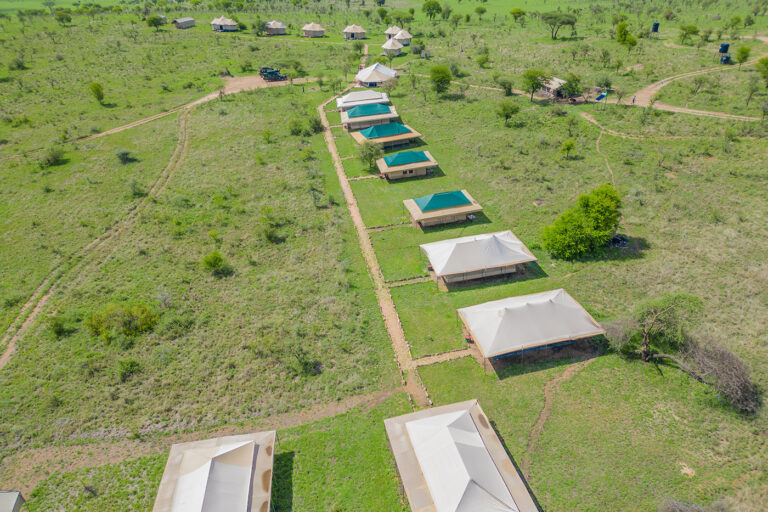
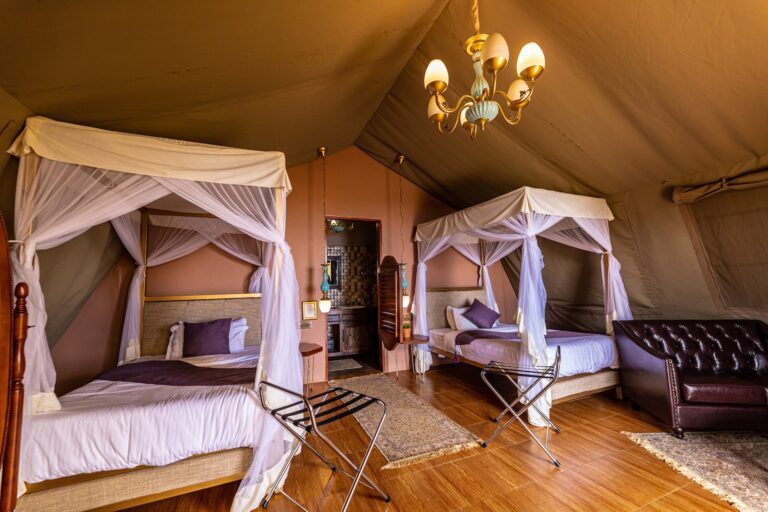
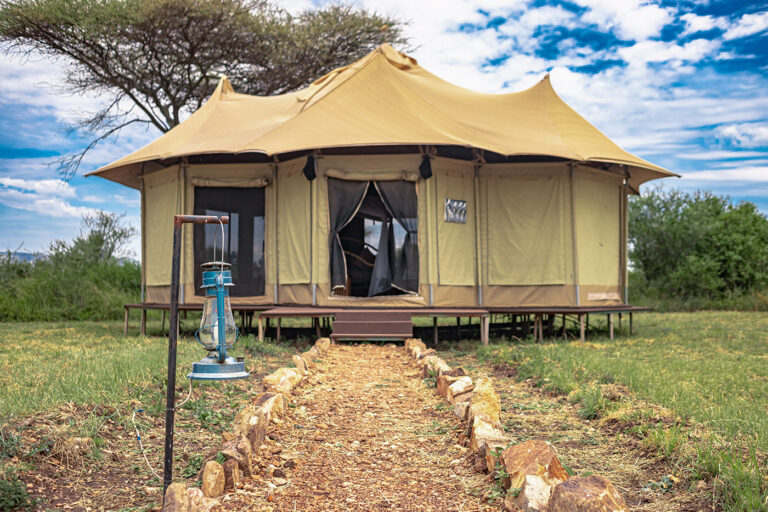
While luxury safari camps operate beautifully year-round, travelers seeking exclusive experiences, premium wildlife encounters, and personalized service typically gravitate toward the dry season (June to October) or the calving season (January to March). During these windows, luxury tented camps near the migration routes offer front-row access to the action, complete with bush breakfasts, private game drives, hot air balloon safaris, and elegant sundowners.
Best Time for Photography Safaris
For professional and hobbyist photographers, the lighting and landscape mean everything. Many prefer the green months (January to March, April to May, and November) because the air is clear of dust, the skies are dramatic, and the green backdrops make wildlife colors pop. However, if your goal is to capture intense wildlife action—like a crocodile ambush or a lion takedown—aim for the dry season river crossings between July and October.
Best Time for Family Safaris in Serengeti
Families traveling with children usually prefer the dry season (June to October) or the December holidays. These periods guarantee comfortable weather, easier wildlife viewing to keep kids engaged, and better road conditions. Many family-friendly camps also offer exciting junior ranger programs, educational walks, and spacious private family suites during these peak times.
Serengeti Weather Overview
Thanks to its altitude, the Serengeti’s temperatures remain remarkably moderate year-round. Average daytime temperatures range from a pleasant 24°C to 29°C (75°F to 84°F), while nighttime temperatures dip to a cool 14°C to 18°C (57°F to 64°F). June and July are the coolest months, making early morning game drives quite chilly, while January and February are generally the warmest.
What to Pack for a Serengeti Safari in 2026
Packing smart will vastly improve your experience. Remember to avoid bright-colored clothing, which can disturb the wildlife. Stick to neutral tones like khaki, olive, and brown.
- Clothing: Neutral-colored layers, a light jacket for cold mornings, comfortable walking shoes, and a wide-brimmed sun hat.
- Safari Gear: High-quality binoculars, camera equipment with a good zoom lens, extra memory cards, and power banks to keep devices charged in the bush.
- Health Essentials: High-SPF sunscreen, effective insect repellent, and any personal medications.
- Documents: Your passport, comprehensive travel insurance, and required vaccination certificates.
Tips for Planning Your Serengeti Safari in 2026
- Book Early: The most highly-rated camps fill up months in advance, especially for the August river crossings.
- Combine Multiple Parks: Don’t limit yourself! A great itinerary combines the Serengeti with the breathtaking Ngorongoro Conservation Area, the elephant-rich Tarangire National Park, or Lake Manyara.
- Choose Your Camp Location Wisely: Because the migration moves, you want to make sure your camp is located where the herds will actually be during your travel month.
- Work With Local Experts: A trusted safari operator will help you optimize your driving routes, internal flights, and timing to ensure a flawless trip.
Why Serengeti Remains Africa’s Ultimate Safari Destination
Very few places on Earth can match the sheer scale, rugged beauty, and unbelievable wildlife richness of the Serengeti. Whether you dream of witnessing the raw power of the Great Migration, photographing a pride of lions at sunrise, or simply enjoying the serenity of a luxury tented camp beneath a canopy of stars, the Serengeti always delivers. The park’s incredible year-round viewing means there is never truly a bad time to visit—only different, equally magical safari experiences.
The best time to visit the Serengeti in 2026 ultimately depends on what you want to get out of your adventure. Choose January to March for baby animals and vibrant photography, June to October for classic game drives and dramatic river crossings, or November to May for lush landscapes and peaceful exclusivity. If you are planning an African safari, 2026 is the perfect time to answer the call of the wild.
FAQs About Visiting Serengeti in 2026
What is the best month to visit Serengeti?
If your main goal is to witness the famous Mara River crossings during the Great Migration, August and September are widely considered the best months to visit.
Is Serengeti worth visiting in the rainy season?
Absolutely. The green season offers remarkably beautiful scenery, fewer tourist vehicles, highly competitive prices, and exceptional photography opportunities.
When is the wildebeest migration in Serengeti?
The Great Migration is not a singular event; it occurs year-round as the animals continuously move in a massive loop through different regions of the Serengeti ecosystem, following the rainfall.
How many days are enough for Serengeti?
To truly soak in the experience without feeling rushed, a minimum of 3 to 5 days inside the park is highly recommended.
Which Serengeti area is best?
It depends on the time of year! Head to the Northern Serengeti for river crossings (Aug-Oct), the Southern Serengeti for the calving season (Jan-Mar), the Western Corridor for Grumeti crossings (June-July), or the Central Serengeti (Seronera) for dense, year-round big cat sightings.