
The Art of the “Slow Safari”: Why Rushing the Serengeti is a Mistake in 2026
If you look at most safari itineraries, they look like a race. Three parks in four days, six hours of driving every morning, and a frantic search for the “Big Five” before rushing to the next lodge.
But in 2026, the savviest travelers are doing something different. They are embracing the Slow Safari.
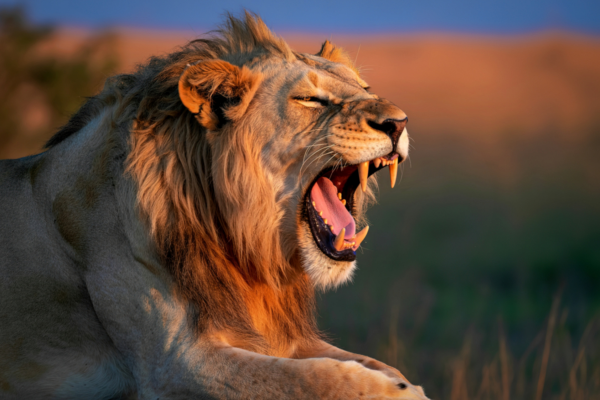
At Tanzania Wild Camps, we’ve noticed a shift. People don’t just want to see a lion; they want to sit in silence and watch how a pride interacts. They want to hear the wind through the acacia trees, not just the hum of an engine. Here is why slowing down will give you a much more powerful experience.
1. You See What Others Miss
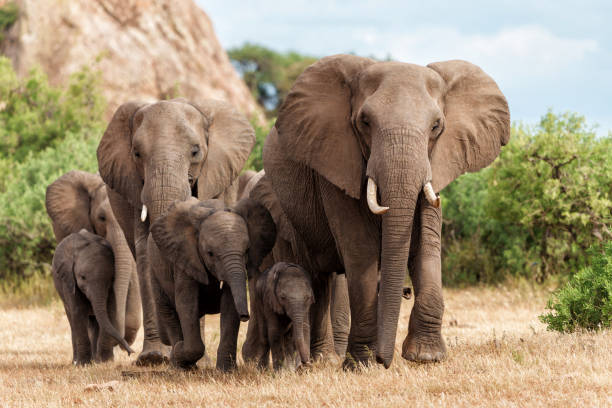
When you rush from point A to point B, you only see the “celebrity” animals. But when you linger at a waterhole for two hours, the magic happens. You’ll see the dung beetle’s Herculean effort, the intricate dance of a Lilac-breasted Roller, and the subtle communication between a mother elephant and her calf.
Pro Tip: Spend at least three nights in one camp. By day two, the rhythm of the bush starts to feel like your own.
2. The “Camp Fire” Connection
A slow safari isn’t just about the animals; it’s about the people. When you aren’t rushing to bed to wake up at 5:00 AM for a 300km drive, you have time for the Bush TV (the campfire).
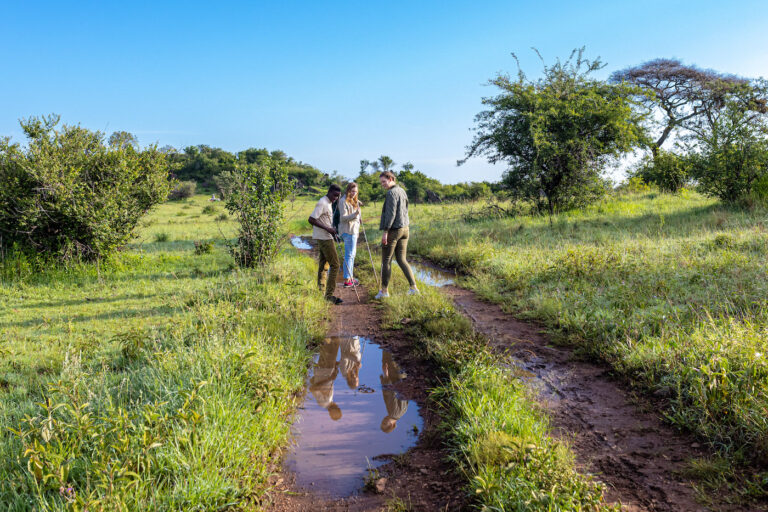
Our guides at Tanzania Wild Camps have spent their lives in these parks. In 2026, we are placing more emphasis than ever on storytelling. Sitting by the fire with a drink, listening to Maasai legends or a guide’s story about a legendary leopard, is often the part of the trip you’ll remember most.
3. Lower Your Footprint (Eco-Conscious Travel)
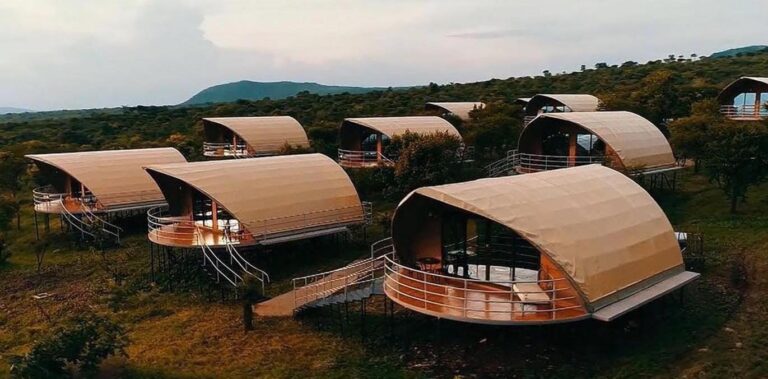
Less driving means less fuel consumption and less stress on the park’s road networks. A slow safari is naturally a more sustainable safari. By choosing to stay in one of our eco-friendly tented camps for a longer period, you are directly supporting the local ecosystem and the community that maintains it.
4. Recharging the Human Battery
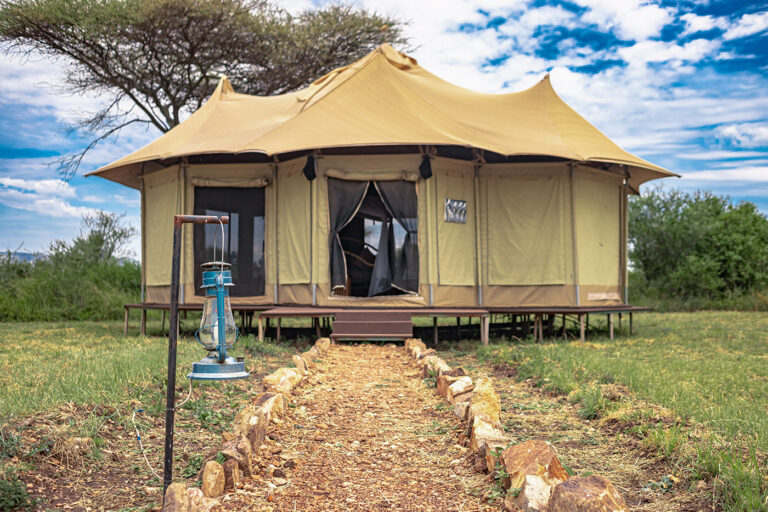
Let’s be honest: travel is exhausting. Most people return from a safari needing a vacation from their vacation. By choosing a “Slow Safari,” you actually return home refreshed. Imagine a morning game drive, followed by a three-hour lunch and a nap in a canvas tent while the sounds of the Serengeti lull you to sleep. That is true luxury.
Is a Slow Safari Right for You?
Ask yourself these three questions:
Do I want a checklist or an experience?
Do I care more about the quantity of parks or the quality of sightings?
Am I okay with “quiet moments” in nature?
If you answered yes to the latter, then 2026 is your year to slow down.
Ready to breathe in the wild? [Contact our team today] to design a custom, slow-paced itinerary that focuses on the heart of Tanzania, not just the highlights