

10 Incredible Animals to See on a Tanzania Safari (And the Best Places to Find Them)
10 Incredible Animals to See on a Tanzania Safari (And the Best Places to Find Them)
Imagine hearing your safari guide quietly say, “Look to your left.”
You turn your head expecting another antelope, but instead you lock eyes with a leopard resting on the branch of a sausage tree. For a few seconds, nobody in the vehicle speaks. Cameras stay lowered. Everyone simply watches.
Moments like these are why people travel halfway across the world to experience Tanzania.
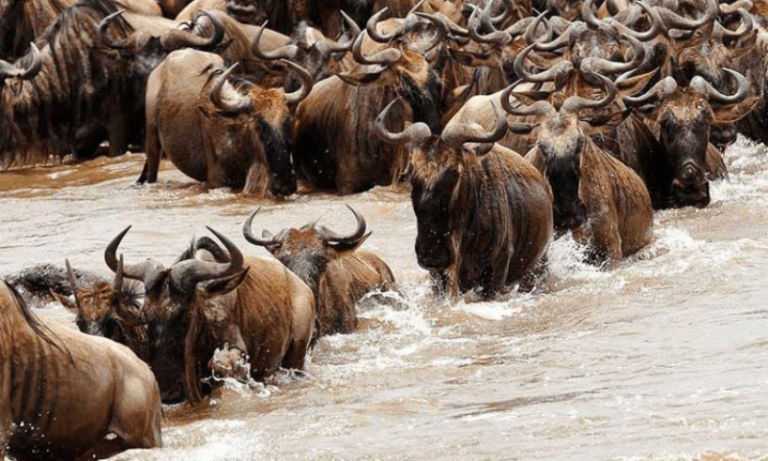
A safari here isn’t just about spotting wildlife—it’s about witnessing nature unfold on its own terms. Some mornings begin with elephants crossing the road in front of your vehicle. On others, you’ll follow fresh lion tracks before sunrise or watch hundreds of zebras moving across the plains as giraffes browse quietly in the distance.
No guide, no matter how experienced, can promise exactly what you’ll see. That’s part of what makes every safari exciting. Wildlife is constantly moving, responding to rain, fresh grazing, and the rhythm of the seasons. Even visitors spending three days in the same park rarely have two identical game drives.
Tanzania is home to some of Africa’s most celebrated protected landscapes, including the Serengeti National Park, Ngorongoro Conservation Area, Tarangire National Park, Ruaha National Park, and Nyerere National Park. Together, they support an extraordinary variety of wildlife, making the country one of the finest destinations for anyone planning a safari.
If you’re wondering which animals should be at the top of your list, this guide will help. These are the species that define the Tanzania safari experience and the places where you’re most likely to encounter them.
Why Tanzania Is One of Africa’s Best Wildlife Destinations
Ask experienced safari travelers why they keep returning to Tanzania, and you’ll notice that their answers are rarely limited to the animals.
They talk about the feeling of watching sunrise over the Serengeti after leaving camp before dawn. They remember the sound of elephants pulling branches from acacia trees or the silence that settles over the savannah just before a pride of lions becomes active.
The wildlife is extraordinary, but it’s the setting that makes it unforgettable.
More than a third of Tanzania’s land is protected for conservation. That commitment has preserved vast ecosystems where wildlife still behaves naturally, largely undisturbed by human development. Instead of isolated parks surrounded by cities, many of Tanzania’s protected areas remain connected by wildlife corridors, allowing animals to move freely as they have for thousands of years.
Every destination offers something different.
The Serengeti is famous for endless grasslands and the Great Migration. Tarangire National Park is known for ancient baobab trees and impressive elephant herds. Ngorongoro Crater provides one of Africa’s highest concentrations of wildlife within the walls of an ancient volcanic caldera. Further south, Ruaha and Nyerere National Park reward visitors seeking quieter, less-traveled safari experiences.
That variety means your safari never feels repetitive. One day you may spend hours following a cheetah across open plains. The next, you’re quietly watching hippos wallow in a river while fish eagles call overhead.
Whether it’s your first safari or your fifth, Tanzania always finds a way to surprise you.
- African Elephant – The Gentle Giant of Tanzania
Few wildlife encounters leave visitors as speechless as seeing an African elephant at close range.
Photographs never quite prepare you for their size.
The first thing most people notice isn’t the height or the enormous tusks—it’s how quietly such a massive animal moves. An elephant weighing several tonnes can walk through the bush with astonishing grace, barely making a sound.
Spend a little time watching a herd, and you’ll quickly realise there’s far more happening than meets the eye.
Young calves weave between their mothers’ legs, occasionally reaching up with tiny trunks that still seem too clumsy for the job. Older females remain alert, constantly checking on the younger members of the family. Mature bulls often keep their distance, moving slowly through the landscape with remarkable confidence.
Safari guides often encourage guests not to rush these sightings.
The longer you watch elephants, the more fascinating they become.
You’ll notice individuals greeting one another by gently touching trunks. Calves copy the behaviour of older animals, sometimes with mixed success. Family members wait patiently for the youngest elephants before continuing their journey toward water or fresh vegetation.
Scientists continue discovering new evidence of elephant intelligence, from impressive long-term memory to complex communication using low-frequency sounds that humans cannot hear.
It’s easy to understand why so many travelers describe elephants as the emotional highlight of their safari.
Where to See African Elephants in Tanzania
If elephants are high on your wish list, Tarangire National Park should be at the top of your itinerary.
During the dry season, the Tarangire River becomes a vital water source, attracting hundreds of elephants from surrounding areas. Watching several family groups gather along the riverbank is an experience few visitors forget.
Other excellent destinations include:
- Ruaha National Park
- Nyerere National Park
- Serengeti National Park
Each offers outstanding opportunities to observe elephants in their natural habitat.
Best Time to See Elephants
Although elephants can be seen throughout the year, the dry season between June and October generally provides the most reliable sightings. As natural water becomes scarce, herds gather around permanent rivers and waterholes, making them easier to locate during game drives.
One final piece of advice: don’t focus only on taking photographs.
Sometimes the best memory you’ll bring home is simply standing quietly as an elephant family passes a few metres away, completely unaware that they’ve just become the highlight of someone else’s journey.