

What Wildlife You’ll See in Tanzania’s Major Parks Which Camp is Best to Base From
Tanzania’s
national parks pulse with life, offering some of the world’s most spectacular wildlife
in Serengeti Tanzania and wildlife in Ngorongoro Tanzania. From the
thunderous Great Migration to intimate encounters with the Big Five, these
ecosystems showcase nature’s drama in real time. But where do you base yourself
for the ultimate viewing? At Tanzania Wild Camps, our strategically placed
lodges—nestled in the heart of Serengeti National Park, on the southern edge of
Ngorongoro, and at high elevation above Karatu—provide intimate, authentic
access led by our expert staff. Whether you’re chasing cheetah sprints or rhino
sightings, choosing the best camp for Serengeti wildlife can transform
your safari from memorable to life-changing.
In this
guide, we’ll dive into the key wildlife species across Tanzania’s major parks,
focusing on Serengeti and Ngorongoro as crown jewels, with insights into
seasonal patterns and educational nuggets on conservation. We’ll spotlight our
camps as ideal bases, blending luxury with sustainability to make your trip
seamless. By the end, you’ll be equipped to plan—and eager to book—your
wildlife odyssey with us.
The Serengeti: A Wildlife Wonderland of Endless Plains
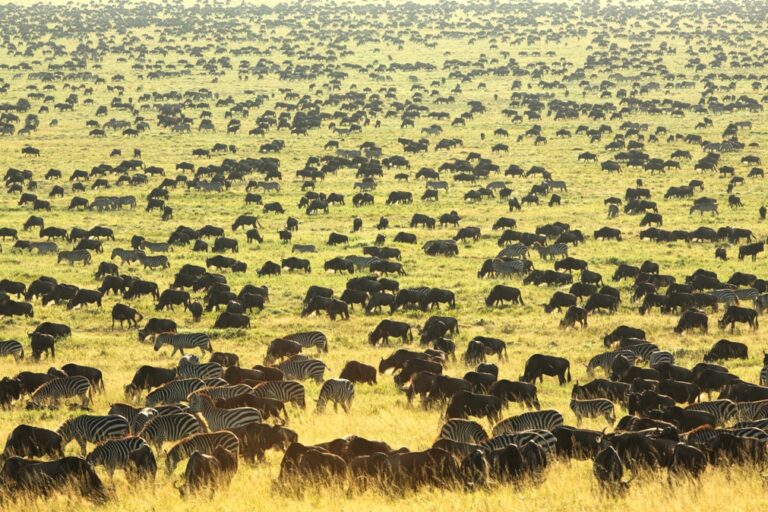
Spanning 14,750 square kilometers, Serengeti National Park is synonymous with abundance, hosting over 2 million ungulates, 4,000 lions, 1,000 leopards, 550 cheetahs, and 500 bird species. This UNESCO World Heritage Site is famed for the Great Migration, where 1.5 million wildebeest and 250,000 zebras traverse the plains annually, drawing predators in epic pursuits.
Key Wildlife Species in Serengeti
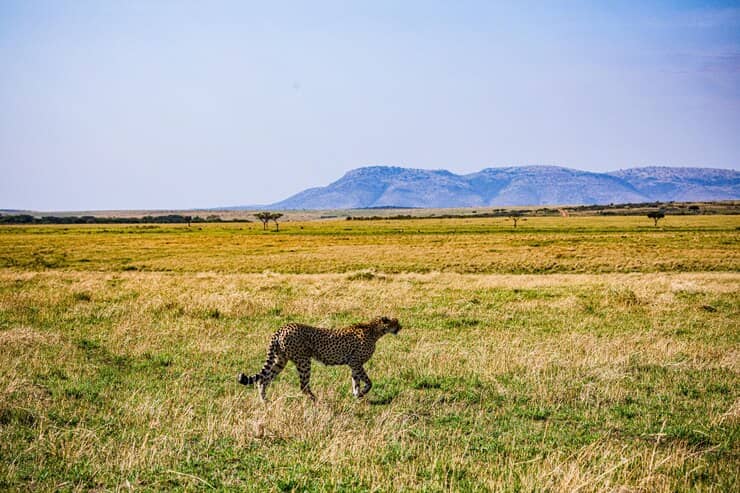
The park’s diversity is staggering, categorized into the Big Five (lion, elephant, rhino, leopard, buffalo) and beyond, often called the Big Nine with additions like cheetah, giraffe, and hyena. Lions rule the pride lands, with densities up to 40 per 100 square kilometers in central areas—watch them ambush from acacia trees or kopjes (rocky outcrops). Leopards, elusive climbers, favor riverine forests, while cheetahs, the world’s fastest land animals (up to 100 km/h), thrive on open grasslands for high-speed hunts.
Elephants, numbering around 5,000, roam in matriarchal herds, stripping bark from baobabs and digging waterholes that benefit other species. Buffalo herds of 1,000+ strong provide dramatic scenes, especially when fending off lions. Black rhinos, though rare (fewer than 200 in the ecosystem), can be spotted in the Moru Kopjes area, a testament to anti-poaching efforts. Other highlights include spotted hyenas (clans up to 80), giraffes browsing thorn trees, and smaller gems like serval cats, bat-eared foxes, and dung beetles rolling spheres across the savanna.
Birdlife explodes with 500+ species: ostriches strutting plains, secretary birds stomping snakes, and lilac-breasted rollers flashing iridescent wings. Endangered residents like wild dogs and ground hornbills add urgency to conservation talks—Serengeti’s biodiversity supports four globally threatened species.
Best Time for Wildlife Viewing in Serengeti
The Dry season (June to October) primes sightings as animals congregate at water sources, with July-August river crossings peaking in the north. January-February brings southern calving, where 8,000 wildebeest are born daily amid predator frenzies. Avoid heavy rains (March-May, November) for better roads, though green landscapes then attract birthing herds.
The Best Camp to Base From: Serengeti Safari Lodge
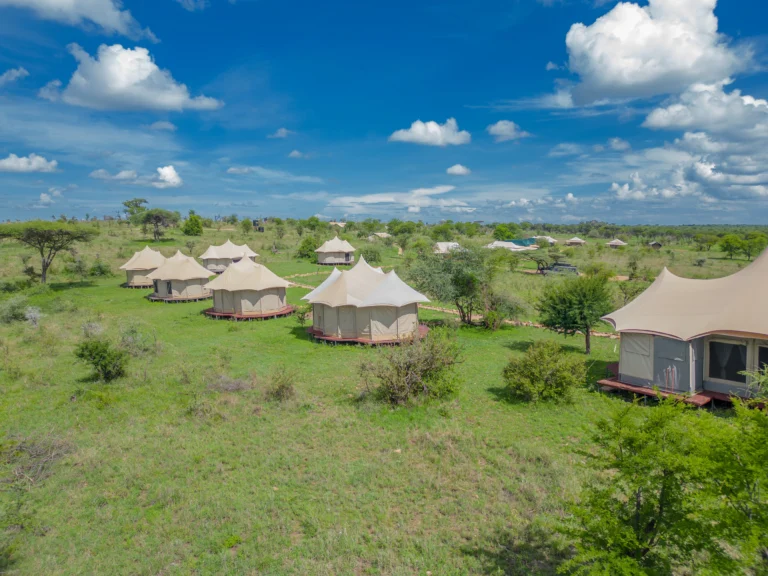
For prime wildlife in Serengeti Tanzania, our Serengeti Safari Lodge in central Seronera is unmatched. Positioned amid Tana Springs, this 15-tent haven offers front-row seats to resident lions, leopards on kopjes, and year-round game like elephants and buffalo. Guests often spot cheetahs from tent decks, and our guided drives maximize Big Five tallies—rhinos are a short hop to Moru. Unlike crowded spots, our intimate setup (solar-powered, eco-friendly) ensures personalized sightings, with staff like veteran guide Juma sharing migration lore. It’s hailed as one of the best for remoteness and crowds-free views, akin to top camps like Namiri Plains. Pair with hot-air balloons for aerial predator hunts—book now for 2026 peaks.
Ngorongoro Crater: The Garden of Eden for Concentrated Wildlife
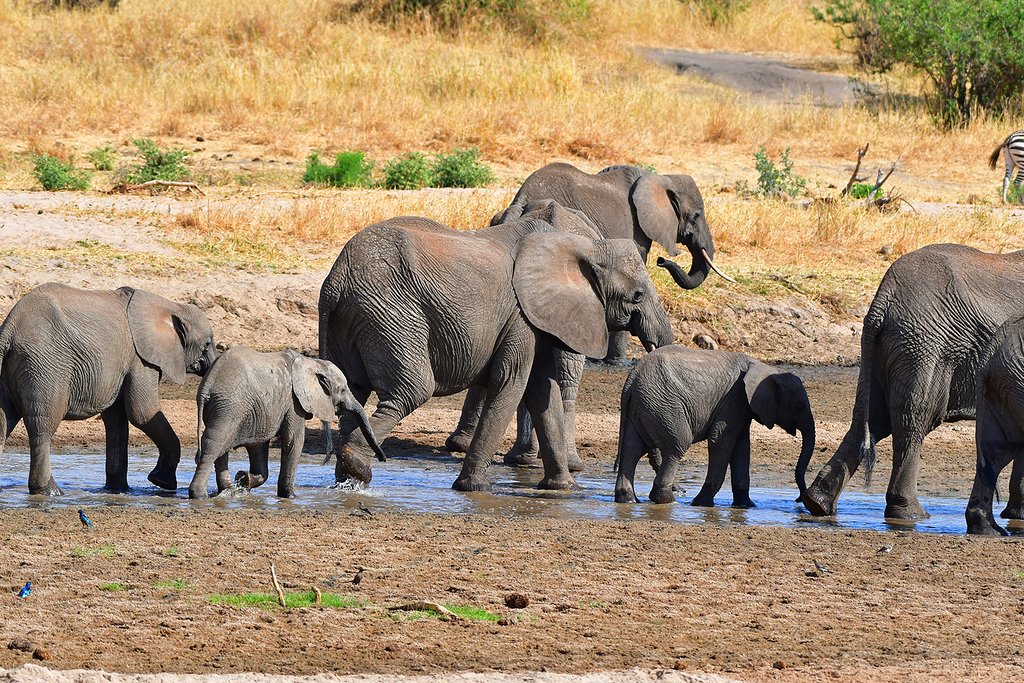
A volcanic caldera 600 meters deep and 260 square kilometers wide, Ngorongoro Crater is a self-contained ark with 25,000 large mammals—earning its UNESCO status for exceptional biodiversity. No migration here; year-round residents thrive on mist-trapped greenery, making it Tanzania’s densest wildlife spot.
Key Wildlife Species in Ngorongoro
The Big Five are all present: Lions (60-80 individuals) lounge on grasslands, ambushing zebras; leopards skulk in Lerai Forest acacias; elephants (bull-heavy, up to 200) trumpet across soda lakes; buffalo (thousands) wallow in mud; and crucially, black rhinos (30-40, one of the world’s densest populations) graze openly—a rare sight elsewhere. Absent are giraffes (too steep for their legs) and cheetahs (limited space for speed), but hyenas (spotted and striped) scavenge boldly, while wild dogs and golden cats represent endangered rarities.
Ungulates abound: 7,000 wildebeest, 6,000 zebras, elands, and gazelles (Grant’s and Thomson’s) dot plains, drawing predators like cheetahs (occasional visitors) and servals. Hippos bubble in Mandusi Swamp, flamingos pinken Lake Magadi seasonally, and birds (500 species) include ostriches, Kori bustards (heaviest flying bird), and crowned cranes dancing courtship rituals. Smaller wonders: Warthogs kneeling to graze, jackals shadowing hunts, and dung beetles recycling ecosystems.
Educationally, Ngorongoro illustrates human-wildlife coexistence—Maasai herders share rims, highlighting sustainable models per African Wildlife Foundation studies.
Best Time for Wildlife Viewing in Ngorongoro
June-October offers clear skies and concentrated animals at waterholes; January-February calving boosts predator action. April-May greens up for photography, with fewer crowds, while December avoids holiday rushes.
The Best Camp to Base From: Ngorongoro Safari Lodge
Our Ngorongoro Safari Lodge, perched on the crater’s southern rim amid acacia woodlands, is the ultimate base for wildlife in Ngorongoro Tanzania. Ten luxury tents with stone bases and bush views allow dawn rhino spotting from balconies—black rhinos are visible on crater floors below. Full-day descents yield Big Five in hours, with staff-led walks revealing hyena dens and bird hides. Sustainability? We fund rhino patrols, aligning with the crater’s endangered species focus. Guests praise its intimacy over larger lodges, echoing top picks like Entamanu for crater access. Combine with Maasai visits for cultural depth—perfect for families or photographers.
Beyond the Big Two: Wildlife in Transitional Areas Like Karatu
While Serengeti and Ngorongoro dominate, areas like Karatu (gateway to Ngorongoro) offer buffer-zone wildlife. Elephants wander coffee plantations, monkeys chatter in highlands, and birds (200+ species) thrive. Our Highview Coffee Lodge, elevated above town, spots buffalo and baboons from verandas, blending agro-tourism with safaris. It’s ideal as a starter base, easing into wilder parks with Hadzabe interactions—educating on Tanzania’s 120+ ethnic groups and biodiversity links.
Tips for Maximizing Wildlife Sightings – And Why Choose Our Camps
Patience pays: Use binoculars, stay silent, and dawn/dusk drives for activity peaks. Respect distances—our guides enforce ethical viewing. Pack neutrals, layers for 10-30°C swings, and apps for bird ID. Conservation tip: Support parks’ $70-80/day fees, funding anti-poaching.
Tanzania Wild Camps stands out for authenticity: 100% local ownership, small-scale (under 50 guests), and profits to communities (e.g., school builds). Our staff’s intimate knowledge—tracking leopards for 15+ years—ensures sightings others miss. For best camp Serengeti wildlife, Serengeti Safari Lodge’s central spot rivals luxury like Singita; Ngorongoro’s rim perch beats crowds.
Spotlight on Our Camps: Your Wildlife Portals

- Serengeti Safari Lodge: Heart of Seronera, 15 tents with infinity pool—cheetah views daily. “Unrivaled migration magic,” per 2025 reviewers.
- Ngorongoro Safari Lodge: Southern crater edge, 10 tents with Maasai evenings—rhino central.
- Highview Coffee Lodge: Karatu highlands, 8 cottages amid farms—birding and cultural prelude.
Ready to witness wildlife in Serengeti Tanzania and beyond? Our multi-camp combos deepen experiences. Check availability at tanzaniawildcamps.com—book for 2026 and let the wild call you home.