
Luxury vs Budget Safari Camps in Tanzania: Which One Is Worth It in 2026?
This is a high-value “comparison guide” that directly addresses the #1 pain point for safari planners: The Budget. Since your Search Console data shows you are ranking around position 13.7, this post needs to be a “Rank Killer.” I’ve styled it to use comparison tables and visual hierarchy, which Google loves for “Best vs. X” type queries.
Luxury vs. Budget Safari Camps in Tanzania: Which is Worth It in 2026?
If you’re planning a safari, one of the biggest decisions you’ll face is the choice between two very different worlds: Should you go Luxury or Budget?
Both options offer a front-row seat to the greatest wildlife show on Earth—but the level of comfort, service, and “bush magic” varies wildly. In this 2026 guide, we break down the real costs and experiences so you can invest your money where it matters most.
🟢 Budget Safari Camps: The Adventurer’s Choice
Budget safari camps are designed for travelers who prioritize the “Wild” over the “WiFi.” These are perfect for those who want an authentic experience without the five-star price tag.
Average Cost: $150 – $300 per person, per night.
Accommodation: Basic tented structures with standard bedding.
Facilities: Shared or simple en-suite bathrooms; limited electricity.
Best For: Backpackers, students, and “purist” adventurers.
🔴 Luxury Safari Camps: The Premium Experience
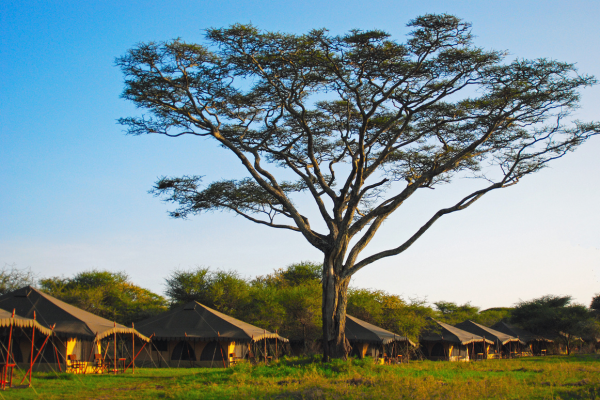
Luxury camps, like those managed by Tanzania Wild Camps, offer an “Eco-Luxury” experience. You aren’t just staying in the park; you are being pampered in the heart of it.
Average Cost: $500 – $2,000+ per person, per night.
Accommodation: Spacious suites with king-size beds and private wooden decks.
Facilities: Private hot showers, 24/7 solar power, and gourmet dining.
Best For: Honeymooners, families, and travelers celebrating a milestone.
📊 Side-by-Side Comparison
| Feature | Budget Camps | Luxury Camps |
| Dining | Simple, hearty, fixed menus. | Fine dining, bush breakfasts, and professional chefs. |
| Privacy | Shared vehicles and communal dining areas. | Private vehicles and secluded tent placements. |
| Location | Often on the park outskirts. | Prime locations inside the wildlife corridors. |
| Service | Self-sufficient style. | Personalized butler or dedicated guide service. |
| Tech/Power | Charging in common areas only. | In-room charging stations and solar arrays. |
🚙 Does “Budget” Mean Fewer Animals?
No. This is a common misconception!
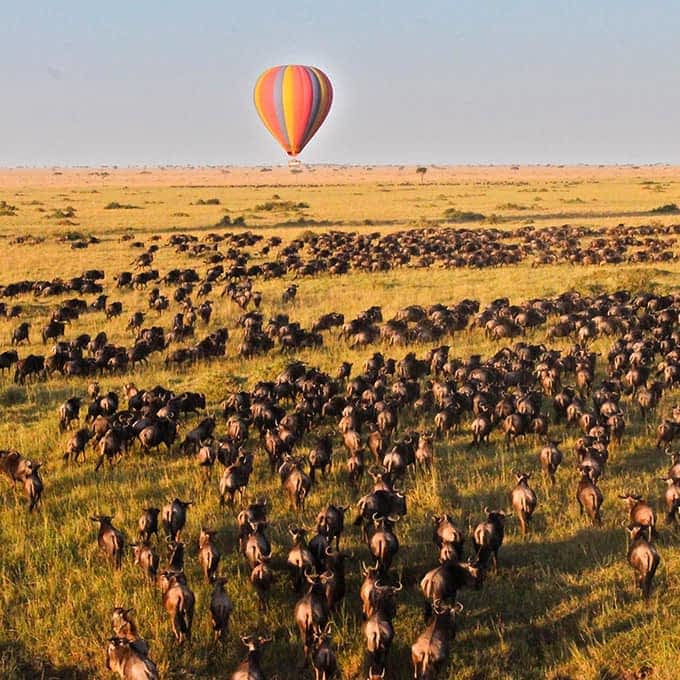
Whether you spend $150 or $1,500, the lions don’t know the difference. You will likely see the same Great Migration and the same “Big Five.” The difference is the comfort level you return to after 8 hours in a dusty safari vehicle.
💰 Hidden Costs to Keep in Mind
Regardless of which tier you choose, don’t forget to budget for these extras:
National Park Fees: These are mandatory and often separate from camp costs ($60–$100+ per day depending on the park).
Tipping: It is customary to tip your guide and camp staff (approx. $10–$20 per day).
Internal Flights: “Bush planes” save hours of bumpy driving but add significantly to the cost.
💡 The “Hybrid” Strategy: Get the Best of Both
In 2026, we are seeing more travelers choose the “Upgrade Ending.” * Days 1–3: Stay in a mid-range or budget camp while you are busy tracking wildlife all day.
Days 4–6: Move to a high-end luxury camp to relax, enjoy the spa/decks, and soak in the views.
The Result: You save money on the “busy” days and indulge when you actually have time to enjoy the room!
Final Verdict
👉 Choose Budget if you want to maximize your days in Tanzania and don’t mind a “no-frills” approach to sleeping.
👉 Choose Luxury if you want a seamless, stress-free immersion into nature where every detail is handled for you.
With trusted operators like Tanzania Wild Camps, you can find a middle ground that balances sustainability, comfort, and an unforgettable African adventure.
❓ FAQ
Are luxury camps worth the $500+ price tag?
If you value privacy, high-quality guiding, and the ability to have a hot shower and a three-course meal in the middle of the Serengeti, then yes.
Is it safe to stay in a budget camp?
Absolutely. All registered camps in Tanzania must follow strict safety protocols regarding wildlife and security.