
Serengeti vs Masai Mara Safari: Which Offers the Best Wildlife Experience in 2026?
If you are planning the ultimate African getaway, there is one question that is guaranteed to keep you up at night: Serengeti vs Masai Mara Safari—which destination actually offers the best experience? It is a debate that dominates travel forums, social media groups, and late-night planning sessions around the globe.
Both Tanzania’s Serengeti and Kenya’s Masai Mara are legendary. They are the quintessential African landscapes you have seen in documentaries, boasting incredible wildlife encounters, breathtaking luxury camps, and front-row seats to the Great Migration. But while they share an ecosystem, they offer surprisingly different vibes, pacing, and experiences for travelers.
In this complete 2026 guide, we are stripping away the travel jargon. We will compare a Serengeti vs Masai Mara Safari based on what really matters to you: wildlife density, migration action, real costs, crowd levels, and overall value, helping you finally decide which destination deserves your time.
The Big Picture: Serengeti vs Masai Mara Overview
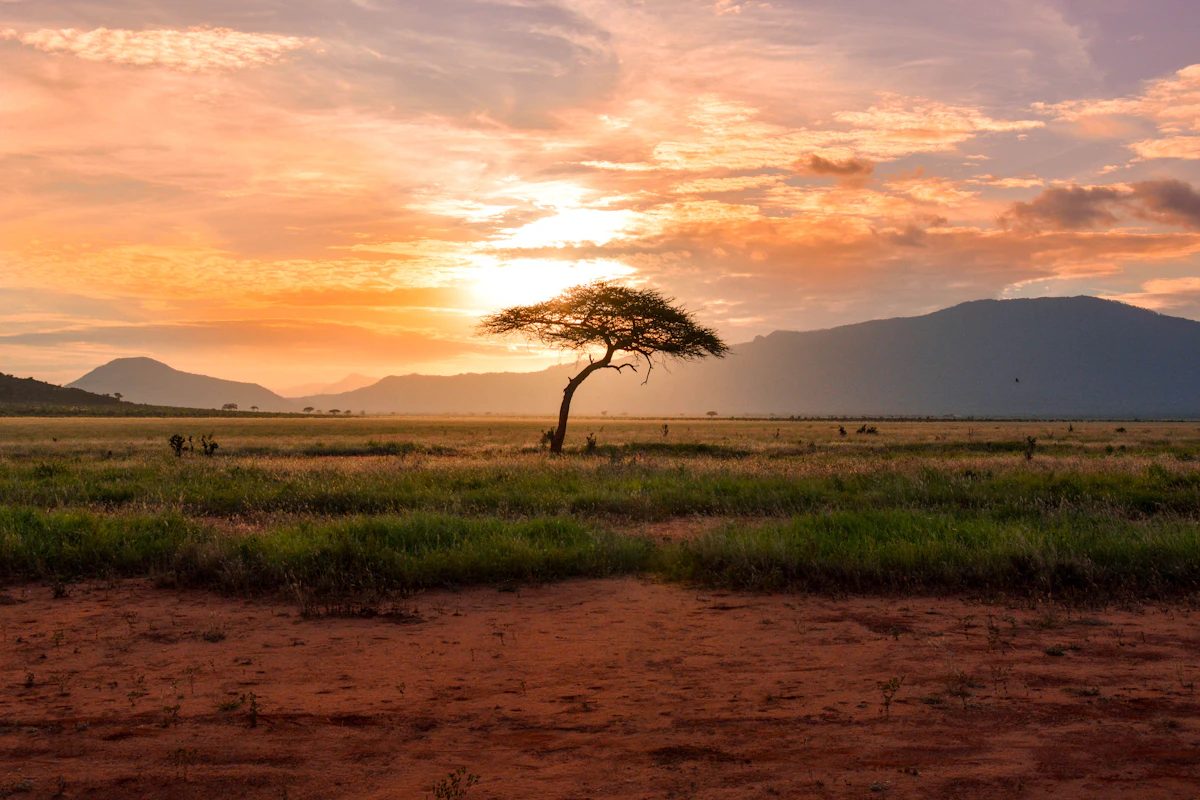
Think of the Serengeti and the Masai Mara as two distinct neighborhoods in the same massive, wild city. The Serengeti National Park in northern Tanzania is enormous, covering a staggering 14,750 square kilometers. It is the definition of wild, untamed, and endless. The Masai Mara National Reserve, located just across the border in southwestern Kenya, is much smaller (about 1,510 square kilometers) but packs a massive punch with concentrated wildlife and highly accessible terrain.
While they are geographically connected, your day-to-day experience in the back of a safari jeep will feel quite different depending on which side of the border you choose.
| Feature | Serengeti (Tanzania) | Masai Mara (Kenya) |
|---|---|---|
| Size | 14,750 km² (Massive & expansive) | 1,510 km² (Compact & dense) |
| Best Known For | Endless plains & year-round migration tracking | Big Cats & dramatic summer river crossings |
| Safari Style | Remote, immersive, and peaceful | Action-packed and highly accessible |
| Best Time to Visit | Fantastic year-round | Peak action from July to October |
Wildlife Encounters: Who Wins the Game Drive?
When it comes down to a Serengeti vs Masai Mara Safari, the animals are the main event.
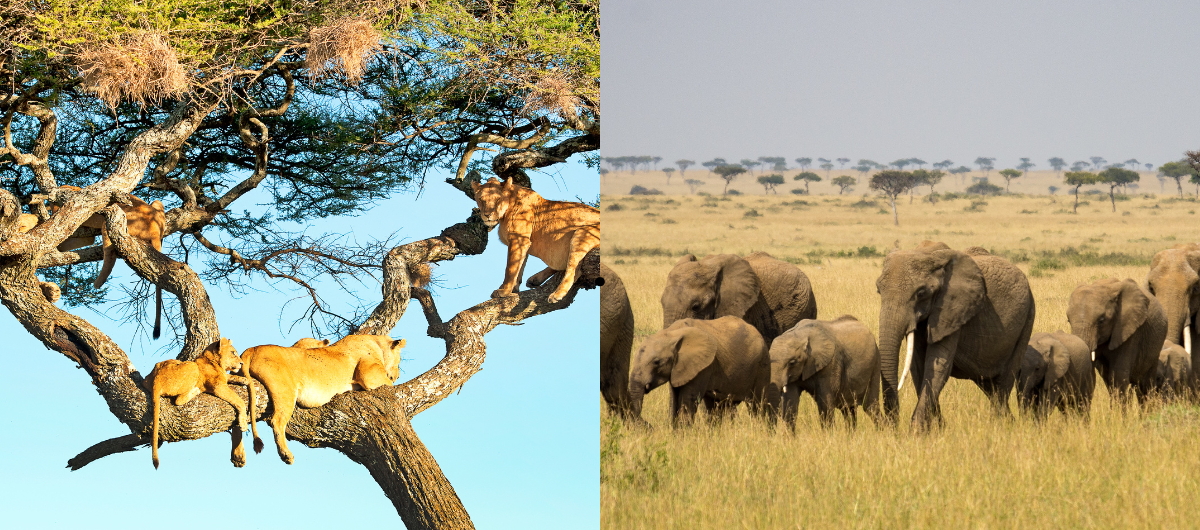
The Serengeti is famous for its staggering sheer numbers. Because the park is so immense, the wildlife is dispersed across massive plains. This means you get a highly authentic, rugged wilderness feeling. You might drive for a while taking in the scenery before suddenly stumbling upon a massive pride of lions resting on a rocky outcrop.
The Masai Mara, because of its smaller footprint, is essentially a wildlife pressure cooker. Animals are concentrated into a smaller area, meaning your guide will likely find the action faster. If you want back-to-back sightings with shorter driving distances, the Mara delivers.
The Big Five Experience
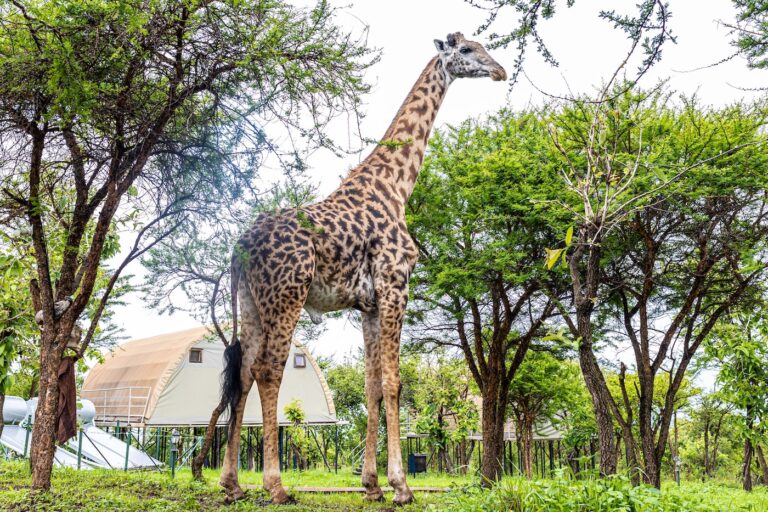
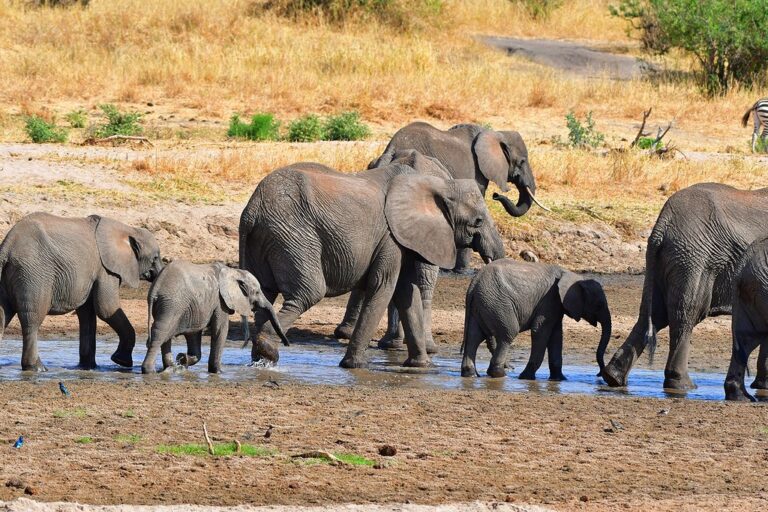
Everyone wants to see the Big Five (Lion, Leopard, Elephant, Buffalo, Rhino). Both parks deliver, but with a slight catch: Rhinos are notoriously difficult to spot in the vastness of the Serengeti, whereas the Masai Mara (and its surrounding private conservancies) offers a slightly better chance of spotting these elusive giants. However, the Serengeti counters this by offering a richer overall diversity of birdlife and plains game.
Big Cats and Predators
If your dream is to witness lions hunting or a cheetah sprinting at full tilt, you cannot go wrong with either. The Masai Mara is world-renowned for its exceptionally dense lion population—it’s the home of the famous Big Cat Diary, after all. The Serengeti, however, offers expansive predator territories, meaning when you do find a leopard in a tree, you might just be the only vehicle there to enjoy it.
Tracking the Great Migration
The Great Migration is the heartbeat of East Africa. Over two million wildebeests, zebras, and gazelles march in a continuous, year-round loop seeking rain and fresh grass. How you experience this spectacle heavily depends on your Serengeti vs Masai Mara Safari choice.
The Serengeti Migration (Year-Round Magic)
The herds spend about 80% of their year in Tanzania. This makes the Serengeti a phenomenal migration destination almost any month you visit:
- January–March: The herds gather in the Southern Serengeti for calving season. Watching thousands of babies born daily—and the predators that follow them—is a wildly underrated experience.
- April–June: The massive columns push through the Central and Western corridors, braving the Grumeti River.
- November–December: The herds march back south, chasing the short rains.
The Masai Mara Migration (The Summer Blockbuster)
The Masai Mara’s moment in the spotlight happens roughly between July and October. This is when the herds arrive from Tanzania and face their most terrifying obstacle: the Mara River. If you want the heart-stopping adrenaline of watching wildebeests launch themselves into crocodile-infested waters, a Masai Mara safari during late summer is the ultimate ticket.
Landscapes: Endless Horizons vs. Rolling Hills
The word “Serengeti” translates to “endless plains” in the Maasai language, and it lives up to the name. The scenery here is dramatic and vast, featuring golden grasslands dotted with iconic Acacia trees and ancient granite boulders known as kopjes. It feels beautifully desolate and wild.
The Masai Mara feels distinctly different. It is characterized by gentle, rolling green hills, winding river systems, and thicker vegetation. It feels like a lush, vibrant garden compared to the rugged vastness of its southern neighbor.
Crowd Control: Exclusivity on Safari
Let’s be honest—nobody wants to share their special lion sighting with twenty other revving minivans. Crowd levels are a massive differentiator.
Because the Masai Mara is compact and easily accessible from Nairobi, it gets very crowded during the peak migration months (July-October). If you want to avoid the bumper-to-bumper traffic here, you should highly consider booking a camp in one of the Mara’s private conservancies, which strictly limit vehicle numbers.
The Serengeti’s sheer size is its greatest asset for crowd control. Even during peak season, if you travel to the Northern Serengeti or the Western Corridor, you can drive for hours feeling like you have the entire African continent all to yourself.
Accommodation: Where Will You Sleep?
Whether you want to sleep under a simple canvas roof listening to hyenas, or sip champagne in an infinity pool overlooking the plains, both destinations have you covered.
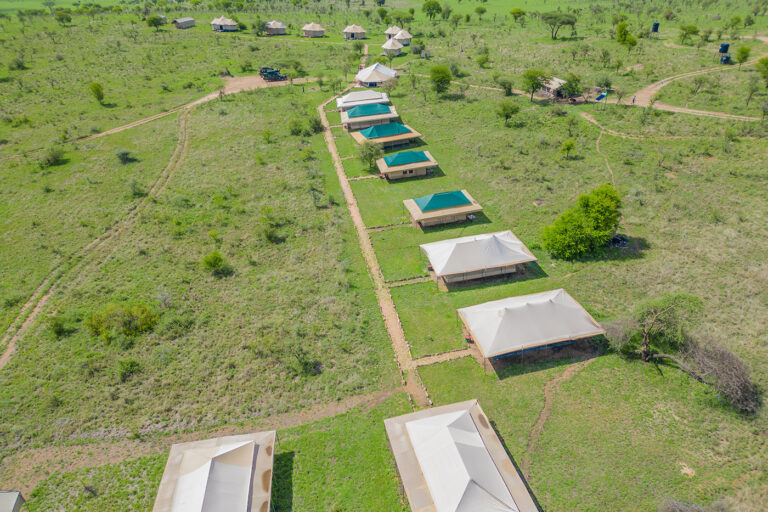
- Serengeti: Famous for its luxury eco-lodges and incredible mobile tented camps that actually move every few months to follow the migration herds.
- Masai Mara: Offers a massive range of options, from budget-friendly group camps just outside the reserve gates to ultra-exclusive, high-end private conservancy lodges.

Accessibility: Getting into the Wild
If you are short on time, the Masai Mara is incredibly convenient. You can fly into Nairobi and either take a quick 45-minute bush flight or enjoy a scenic 5-to-6-hour drive right into the reserve. It pairs perfectly with a short Kenya beach holiday.
A Serengeti safari requires a bit more logistics. You typically fly into Kilimanjaro or Arusha, followed by domestic flights or a multi-day driving circuit. However, the drive is a spectacular road trip that often includes the world-famous Ngorongoro Crater and Tarangire National Park along the way.
What Will It Cost You?
When weighing a Serengeti vs Masai Mara Safari, your budget will definitely play a role.
Generally speaking, the Masai Mara can be more budget-friendly. Because it is easier to reach from the capital and has many lodges outside the park boundaries, a mid-range Mara safari typically costs between $350–$700 per day.
The Serengeti tends to be more expensive. The park fees in Tanzania are higher, the distances require internal flights or longer vehicle hires, and the camps are highly exclusive. Expect a mid-range Serengeti experience to sit between $500–$900 per day.
Which Safari is Better for Families?
Taking the kids to Africa is life-changing, but you need to manage logistics. The Masai Mara is brilliant for younger children because the transit times are shorter, and the dense wildlife means kids won’t get bored waiting to see animals.
The Serengeti is better suited for older kids, teens, or adventurous families who don’t mind longer drives and want to deeply immerse themselves in the wild for a week or more.
The Verdict: Which Should You Choose in 2026?
At the end of the day, there is no loser in the Serengeti vs Masai Mara Safari debate. They are both profound, deeply moving travel experiences.
Choose the Serengeti if: You want vast, untouched wilderness, you are traveling outside of the summer months, you want to escape the crowds, and you love the idea of a longer, multi-park road trip.
Choose the Masai Mara if: You are short on time, you specifically want to see the dramatic river crossings in July or August, you are traveling with young kids, or you want high-density predator action without driving for hours.
Can’t decide? Don’t! In 2026, cross-border safaris are easier and more popular than ever. If you have the time and budget, combining the endless plains of the Serengeti with the dramatic rivers of the Masai Mara creates the ultimate, unrivaled East African adventure.