

Mobile vs Permanent Safari Camps in Tanzania: Which Is Right for You?
Choosing where to stay on a Tanzanian safari is almost as exciting as the wilderness experience itself. Two accommodation styles dominate East Africa’s safari landscape: mobile tented camps that shift with the wildlife, and permanent safari camps that offer a fixed, comfortable base throughout the year. Both are exceptional, but they cater to different types of travellers.
This comprehensive guide breaks down everything you need to know to choose the perfect option for your safari—featuring insights inspired by the quality, comfort, and wilderness immersion offered by Tanzania Wild Camps.
Mobile Tented Camps: The Classic, Ever-Changing Safari
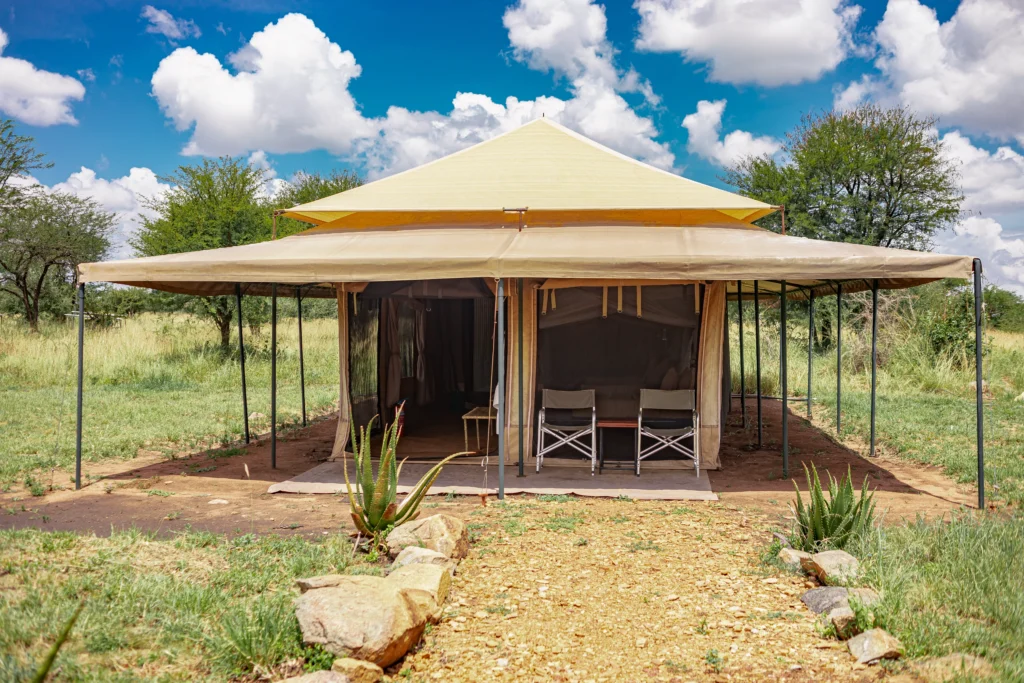
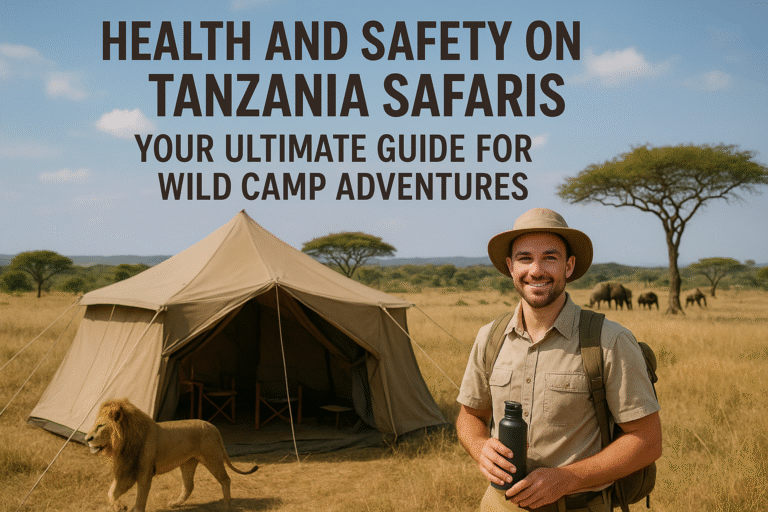
Mobile camps are the closest you can get to the original East African safari spirit. Designed to be lightweight, low-impact, and temporary, these camps are set up in remote, wildlife-dense areas during peak viewing seasons. When the herds move, the camp relocates, leaving the environment untouched.
This is safari at its most authentic, intimate, and flexible.
Why Travellers Love Mobile Camps
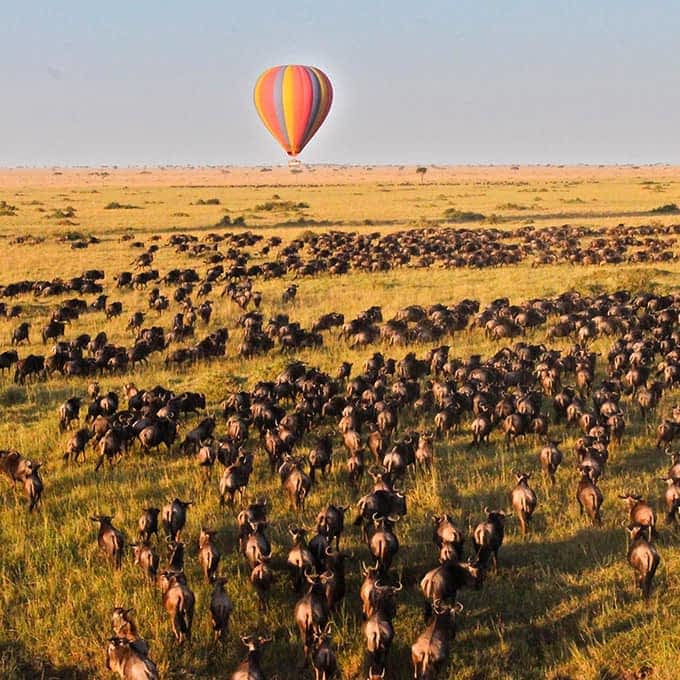
- Immediate access to wildlife-rich areas such as the Great Migration routes, predator hotspots, and remote plains that permanent camps cannot legally reach.
- Zero light pollution, offering some of the clearest night skies in Africa.
- Small camp sizes (usually 6 to 10 tents), ideal for travellers seeking solitude and exclusivity.
- Highly flexible itineraries based on real-time wildlife movements.
- Romantic touches such as canvas tents, bucket showers under the stars, and open-fire meals.
Popular Types of Mobile or Semi-Mobile Camps
While each operator differs, these are the kinds of experiences mobile camps typically deliver:
- Ndutu-style mobile camps (Dec–Mar) positioned for wildebeest calving season in the Serengeti and southern Ngorongoro.
- Mara River mobile camps (Jul–Oct) set up near the dramatic river crossing sites in the northern Serengeti.
- Seasonal bush camps in Ruaha when wildlife concentrates around the main rivers.
- Remote fly-camping setups in Nyerere (Selous) built for multi-day walking safaris.
- Ultra-remote Katavi seasonal camps operating in one of Tanzania’s least-visited parks.
Permanent Safari Camps: Comfort and Consistency in the Wilderness
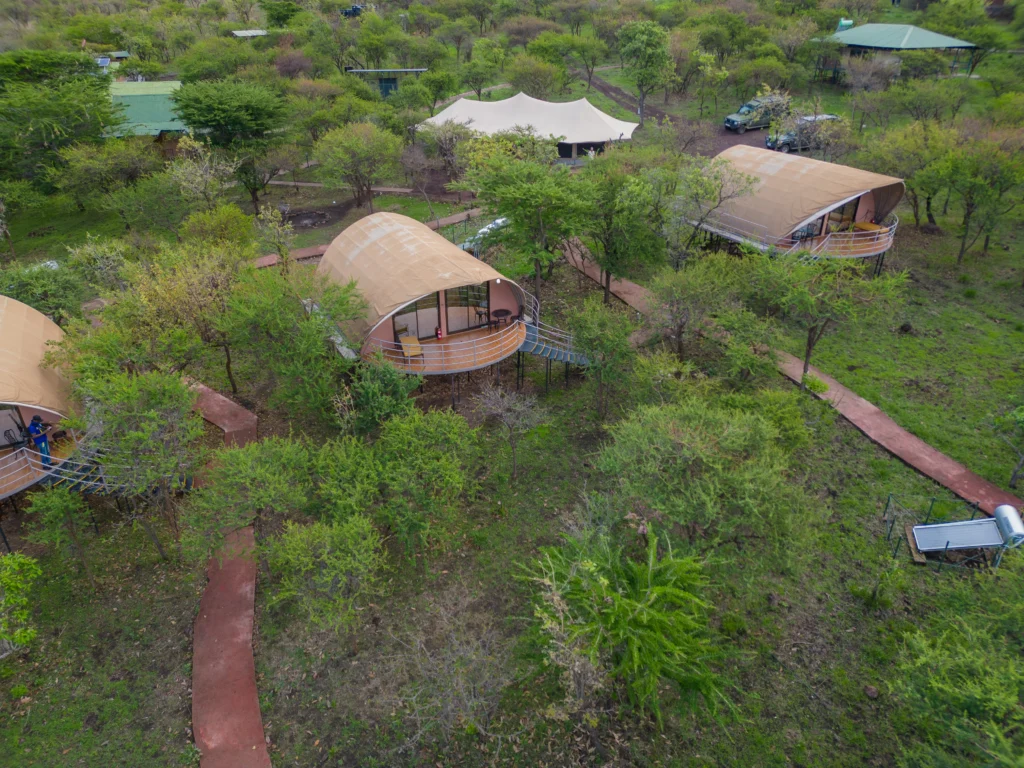
Permanent camps, whether tented suites or stone-and-thatch lodges, stay rooted in one location throughout the year. Built on raised platforms or along scenic vantage points, these camps combine immersive wilderness with elevated comfort.
They are ideal for travellers who want high levels of convenience and a stable home base without sacrificing the authentic safari atmosphere.
Why Travellers Choose Permanent Camps
- Larger, well-furnished suites with private bathrooms, hot showers, and sometimes private decks or plunge pools.
- Reliable electricity, Wi-Fi access (where available), charging facilities, and running water.
- Excellent for families, groups, and guests who prefer added comfort.
- Set near waterholes, rivers, or plains that attract resident wildlife year-round.
- Access to extra experiences such as cultural visits, bush walks, night drives, spa treatments, and balloon safaris.
Typical Permanent and Semi-Permanent Camp Experiences
- Riverside lodges in Ruaha offering constant elephant and hippo sightings.
- Elevated tented camps in Katavi overlooking sweeping plains with minimal tourist traffic.
- Central Serengeti tented camps offering year-round game viewing.
- Lakeside camps in Nyerere (Selous) combining classic game drives with boat safaris.
- Treehouse-style camps in Tarangire built into baobabs for a unique wilderness perspective.
Quick Comparison Table
Feature | Mobile Camps | Permanent Camps |
Location flexibility | Move with the wildlife | Fixed location |
Wilderness authenticity | Highest | High but more polished |
Comfort level | Comfortable but simpler | Higher comfort, more amenities |
Group size | Very small (6–12 guests) | Small to mid-size (12–30 guests) |
Best for Great Migration | Excellent | Good, depending on proximity |
Family-friendly | Moderate | Excellent |
Price per night | Lower to mid-range luxury | Mid-range to ultra-luxury |
Environmental footprint | Extremely low | Low to moderate |
So, Which Option Should You Choose?
Choose a Mobile Camp If:
- You want to be as close as possible to the Great Migration or predator-rich areas.
- You appreciate a raw, authentic safari experience.
- You enjoy solitude, simplicity, and flexible itineraries based on wildlife movements.
- You want access to remote parks like Katavi or southern Ruaha.
Choose a Permanent Camp If:
- You want comfort, consistent amenities, and a place to fully relax.
- You are travelling with children, seniors, or first-time safari guests.
- You prefer spacious suites, reliable hot showers, electricity, and additional activities.
- You want a stable base to explore a region more fully.
Many travellers choose a combination: a few nights in a mobile camp to chase seasonal wildlife events, followed by a stay in a permanent camp to unwind in comfort. This blended safari experience is one of the best ways to explore Tanzania’s diverse landscapes.
Plan the Perfect Safari Experience
Whether you prefer a mobile tented adventure or a permanent safari retreat, Tanzania offers accommodation experiences unlike anywhere else in the world. Tanzania Wild Camps can help you design the ideal journey with the right mix of authenticity, comfort, and strategic wildlife viewing.