

When is the Best Time to Stay at Serengeti & Ngorongoro Camps for Wildlife Viewing?
The question we hear most often is simple yet crucial: “When is the best time to visit the Serengeti and Ngorongoro Crater?” The answer isn’t a single date, but a story of two iconic destinations working in harmony through the seasons. At Tanzania Wild Camps, with our intimate lodges nestled in prime locations, we believe the “best” time is when your dreams align with the natural rhythm of the wild.
Whether you’re chasing the thunderous hooves of the Great Migration or seeking the dense Big Five concentrations of the Crater, this guide will help you pinpoint your perfect Tanzania safari season.
Understanding the Seasons: Green vs. Dry
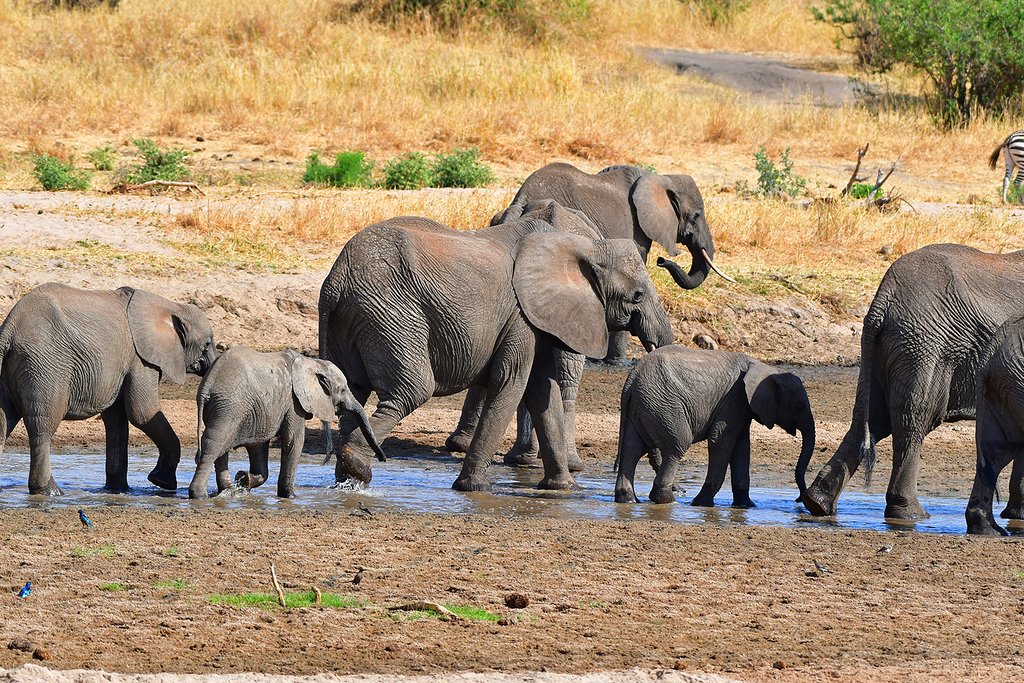
Tanzania’s wildlife viewing is dictated by two main seasons:
• The Dry Season (June – October): The quintessential safari season. Drier conditions mean sparse vegetation, forcing wildlife to congregate around permanent water sources. Animals are easier to spot, and the weather is generally sunny and cool.
• The Green Season (November – May): A period of transformation. Lush, emerald landscapes and dramatic skies create stunning photography. This season includes the “calving season” and offers fantastic bird watching, often with fewer visitors and lower rates.
The Serengeti Safari Calendar: A Month-by-Month Migration Guide
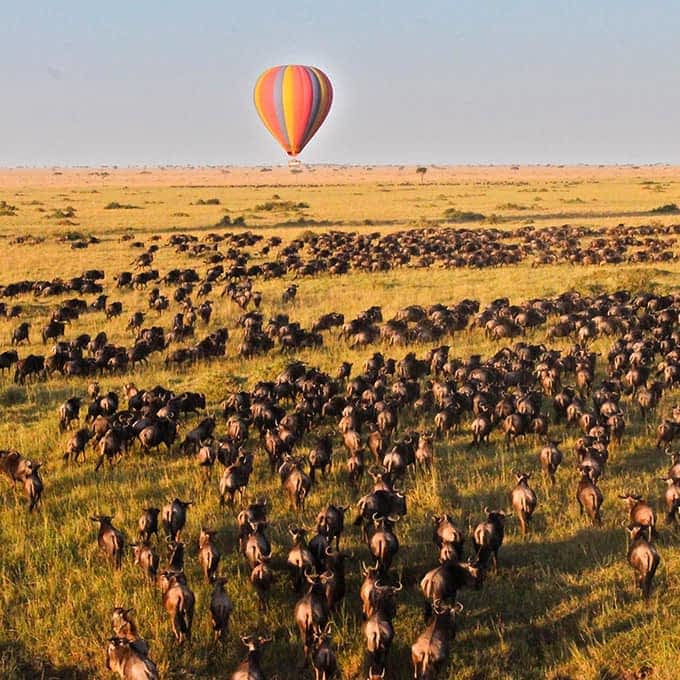
The Serengeti is a dynamic, ever-changing ecosystem. The movement of over two million wildebeest, zebra, and gazelle—the Great Migration—is the greatest wildlife show on Earth. Here’s how to track it from our Serengeti safari camp.
June – October: The Dry Season & Peak River Crossings
This is often hailed as the absolute best time for Serengeti safari adventures, especially for witnessing dramatic river crossings.
• June & July: The herds gather in the Western Corridor, building up courage for the perilous crossing of the Grumeti River. This is a spectacular, though less famous, prelude to the Mara River dramas.
• August & September: The pinnacle of the migration. Massive columns of wildebeest and zebra undertake the breathtaking and treacherous crossings of the Mara River in the Northern Serengeti. It’s a raw, unfiltered display of nature’s power and peril.
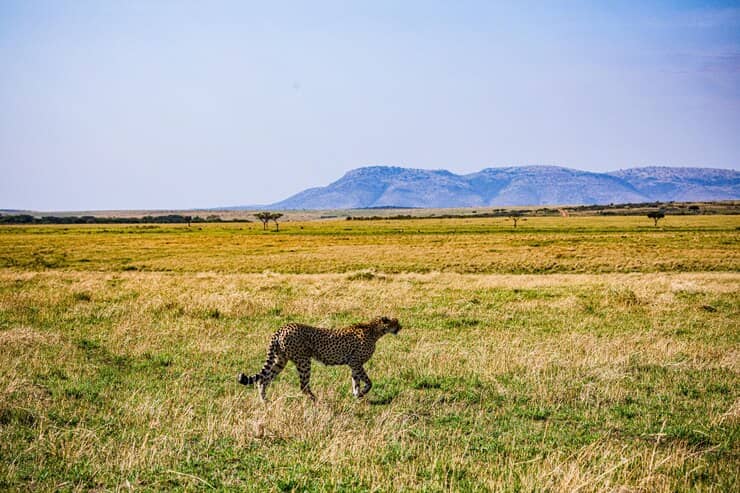
• Wildlife Viewing: Exceptional for big cat sightings. Lions, leopards, and cheetahs are highly active, taking advantage of concentrated prey.
• At Our Serengeti Safari Lodge: Our central Seronera camp provides year-round wildlife access, but during this period, guests enjoy thrilling game drives to the northern river areas or witness resident predators thriving in the dry plains.
December – March: The Calving Season in the Southern Plains
For many, this is a strong contender for the best time to visit Serengeti if you seek raw, new life and predator action.
• The Event: Vast herds spread across the nutrient-rich short grass plains of the Southern Serengeti and Ndutu area. Around February, over 8,000 wildebeest calves are born per day.
• The Action: This abundance of vulnerable young attracts a multitude of predators. Cheetahs, hyenas, and lions are in a constant state of hunt, offering unparalleled game-viewing opportunities.
• Conditions: While this is the “short rains” period, showers are usually brief, leaving the landscape stunningly green.
April & May: The Long Rains & The Quiet Season
• Considerations: This is the low season for a reason. Heavy rains can make roads challenging and some areas less accessible.
• The Reward: For the intrepid traveler, this is a secret gem. The Serengeti is empty of crowds, incredibly lush, and photographic conditions are unique. Our camp offers a cozy, intimate refuge during these quieter months, often at exceptional value.
The Ngorongoro Crater: A Year-Round Wildlife Spectacle
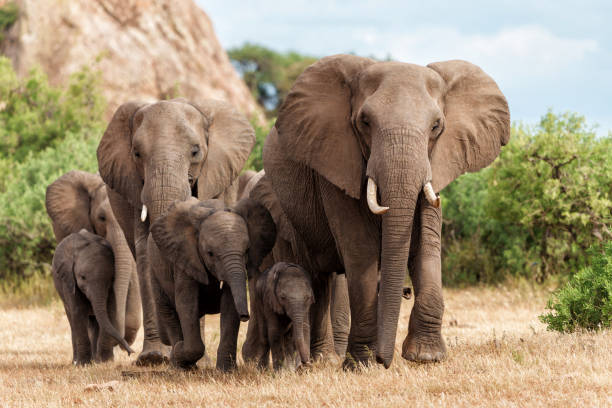
While the Serengeti is defined by movement, the Ngorongoro Crater is a world of breathtaking consistency. This UNESCO World Heritage Site is a natural amphitheater teeming with approximately 25,000 large animals. So, when is the Ngorongoro best season? The answer is simpler: any time.
However, nuances exist:
June – September (Dry Season)
• Pros: This is the best time for Ngorongoro for crystal-clear visibility and easy animal spotting. With minimal water sources on the crater floor, wildlife is forced to congregate around the central Lake Magadi and other swamps, making the Big Five—including the rare black rhino—remarkably easy to find.
• Cons: Its fame means it can get crowded during these peak months.
October – May (Green & Shoulder Seasons)
• Pros: The crater is adorned with vibrant green foliage, creating a stunning backdrop for photography. The crowds are thinner, and wildlife is still abundant and widely dispersed. Birdlife is particularly spectacular, with flocks of flamingos painting the lake shores pink.
• Cons: Occasional mist or rain can obscure the magnificent views from the crater rim, where our Ngorongoro safari lodge is perfectly situated.
The Perfect Pairing: Combining Serengeti & Ngorongoro
The key to an unforgettable trip is aligning the strengths of both destinations. Here are our recommended pairings for the ultimate Tanzania safari season itinerary:
- The Ultimate Migration & Classic Safari (July – October):
Serengeti: Witness the dramatic river crossings in the north.
Ngorongoro: Enjoy prime, dry-season game viewing in the crater. This is peak season for a reason.
- The Calving & Predator Season (January – March):
Serengeti: Experience the wildebeest calving and intense predator action in the south.
Ngorongoro: Explore the lush, green crater with excellent wildlife viewing and fewer visitors.
- The Value & Seclusion Safari (April – May & November):
Serengeti: Embrace the lush, quiet landscapes and lower rates.
Ngorongoro: Enjoy the crater in a more private, intimate setting.
Why Your Choice of Camp Matters with Tanzania Wild Camps
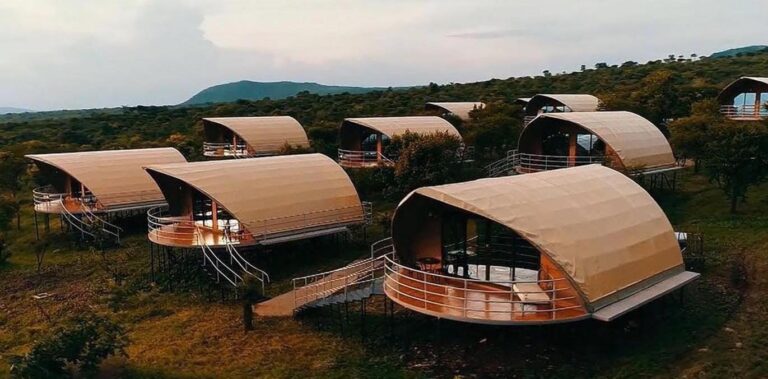
No matter the best time to visit Serengeti or Ngorongoro you choose, location is everything. Our strategically placed camps ensure you are always in the heart of the action.
- At our Serengeti Safari Lodge in the central Seronera region, you have access to year-round wildlife, making it a fantastic base regardless of the migration’s location.
- At our Ngorongoro Safari Lodge on the less-crowded southern rim, you wake up to breathtaking, often private, views and have swift access to the crater floor for morning game drives.
We don’t just offer a place to sleep; we provide an authentic, immersive base from which to experience the ever-turning wheel of the African seasons.
Ready to Find Your Best Time?
The best time for your safari is a personal choice. Do you dream of river-crossing drama, the miracle of new life, or serene, crowd-free landscapes?
Let our Tanzania Wild Camps team help you decode the seasons and craft a bespoke itinerary that places you in the right place, at the right time, for the wildlife experience you’ve always imagined.
Contact us today to start planning your journey. Your perfect Serengeti and Ngorongoro safari awaits.