
Ngorongoro Wild Camp: Your Ultimate Safari Retreat in Tanzania
Ngorongoro Wild Camp is more than just a place to stay; it’s a gateway to one of Africa’s greatest natural wonders—the Ngorongoro Conservation Area. Perched on the rolling hills near the world-renowned Ngorongoro Crater, this eco-friendly camp offers an unforgettable blend of adventure, comfort, and authentic Tanzanian hospitality. In this in-depth guide, you’ll discover everything you need to know about Ngorongoro Wild Camp: its location, amenities, unique experiences, environmental initiatives, and why it’s the ideal base for your next African safari.
1. Where Is Ngorongoro Wild Camp?
Located in the vast expanse of northern Tanzania, Ngorongoro Wild Camp sits on the edge of the Ngorongoro Conservation Area—a UNESCO World Heritage Site. The camp is strategically positioned just a short drive from the Ngorongoro Crater, offering easy access to the region’s most spectacular wildlife viewing opportunities.
- Country: Tanzania
- Region: Arusha Region
- Nearest Town: Karatu (often used as a gateway to the crater)
- Distance to Ngorongoro Crater: Approximately 25 kilometers
- GPS Coordinates: Close to 3.23°S, 35.46°E
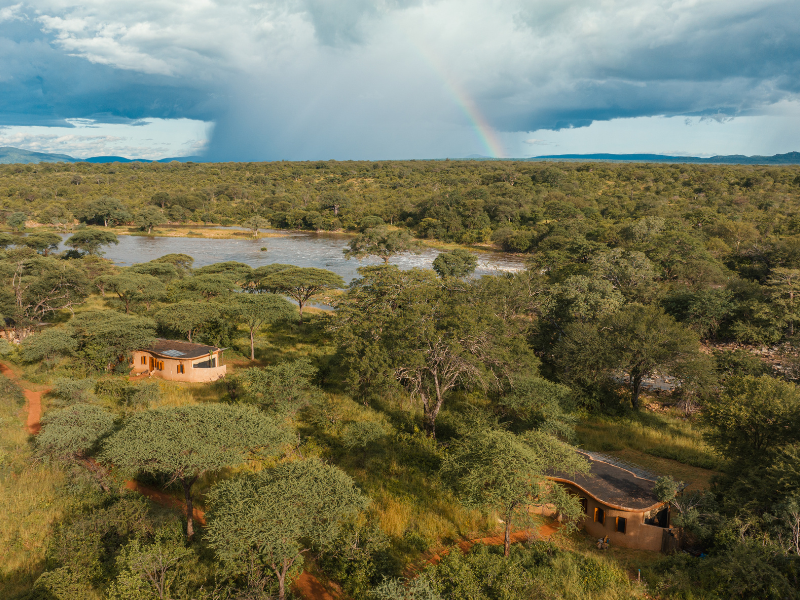
The camp’s location provides panoramic views of the highland forests and savanna, making it both a tranquil retreat and the perfect starting point for daily game drives.
2. Accommodation: Comfort in the Wild
Ngorongoro Wild Camp is designed to immerse guests in nature while delivering modern comfort. The camp features:
a. Spacious Tented Suites
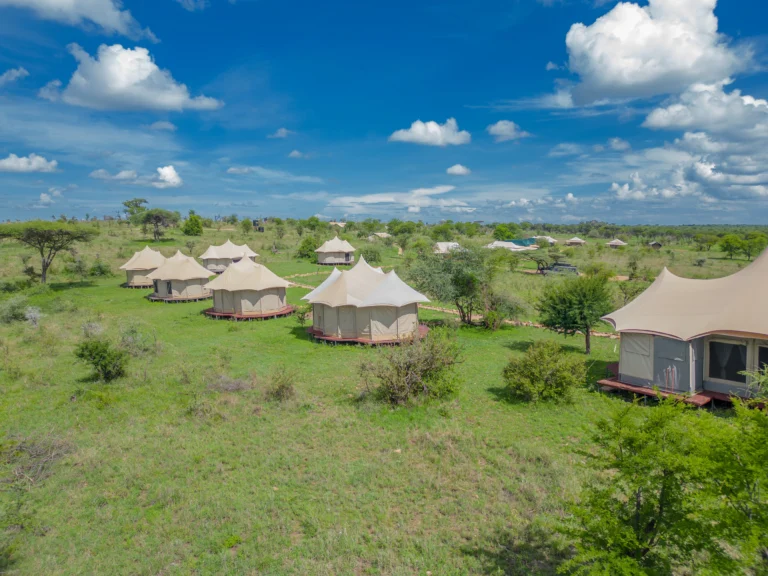
- Private canvas tents with solid floors and thatched roofs
- En-suite bathrooms with hot and cold running water
- Comfortable beds with high-quality linens
- Private verandas with sweeping views of the valley and surrounding forests
b. Family and Honeymoon Suites
- Larger tents available for families or groups
- Specially decorated honeymoon suites for couples
c. Main Lodge and Amenities
- A welcoming main lodge with a stone fireplace
- Restaurant and bar serving local and international cuisine
- Cozy lounge area, ideal for unwinding after a day’s adventure
d. Eco-Friendly Design
- Solar energy for lighting and hot water
- Sustainable building materials and waste management systems
Ngorongoro Wild Camp combines rustic charm with the creature comforts that make your safari truly relaxing.
3. The Ngorongoro Experience: Activities and Adventures
Staying at Ngorongoro Wild Camp puts you at the heart of some of Tanzania’s most iconic safari experiences. Here’s what you can expect:
a. Game Drives in the Ngorongoro Crater
The Ngorongoro Crater is often called the “Eighth Wonder of the World” due to its breathtaking beauty and density of wildlife.
- Big Five Viewing: Lions, elephants, buffalo, leopards, and rhinos
- Rare Species: Black rhinos and large tusker elephants
- Birdlife: Over 500 bird species, including flamingos and crowned cranes
Game drives start early in the morning, maximizing your chances to see predators in action and herds gathering at watering holes.
b. Guided Nature Walks
Explore the lush highlands and nearby forests with experienced guides.
- Learn about flora and fauna unique to the Ngorongoro ecosystem
- Cultural encounters with Maasai communities living in harmony with wildlife
c. Sundowners and Bush Meals
Enjoy a classic safari tradition: a drink at sunset overlooking the vast plains, followed by a bush dinner under the African sky.
d. Nighttime Experiences
- Campfire storytelling and stargazing
- Listen to the sounds of the wild: distant lion roars, hyenas calling, and the rustle of night creatures
4. The Magic of Ngorongoro Conservation Area
The Ngorongoro Conservation Area is one of Tanzania’s top attractions, famous for its unique blend of wildlife, landscapes, and culture.
a. The Ngorongoro Crater
- The world’s largest inactive, intact volcanic caldera
- Diameter: About 19 km (12 miles)
- Depth: 600 meters (2,000 feet)
- Home to nearly 30,000 large mammals, including wildebeest, zebras, hippos, and gazelles
b. Maasai Communities
The area’s Maasai people are an integral part of the region’s history and conservation success. Visitors can:
- Visit Maasai bomas (villages) to learn about traditional life
- Purchase handmade crafts and jewelry directly from artisans
c. Olduvai Gorge
Often called the “Cradle of Mankind,” Olduvai Gorge is a short drive from the camp. This archaeological site reveals some of the earliest evidence of human evolution.
5. Why Choose Ngorongoro Wild Camp? Unique Selling Points
a. Proximity to Major Wildlife Attractions
Being close to the crater rim means less time driving and more time on safari.
b. Authentic Safari Atmosphere
The camp’s design reflects traditional African styles, blending seamlessly with the landscape.
c. Sustainable Tourism
- Solar power and eco-conscious waste management minimize environmental impact
- Support for local communities through employment and sourcing
d. Personalized Service
- Friendly staff offer tailored experiences, from private dinners to custom safari itineraries
- Knowledgeable guides bring the ecosystem and its stories to life
e. Flexible Packages
Ngorongoro Wild Camp offers packages for:
- Couples and honeymooners
- Families and small groups
- Solo travelers and photographers
6. Cuisine and Dining
Your culinary journey at Ngorongoro Wild Camp is as memorable as the game drives.
a. Fresh and Local Ingredients
- Farm-to-table meals using produce from local farms
- Dishes featuring Tanzanian specialties and international favorites
b. Special Dietary Needs
Vegetarian, vegan, gluten-free, and other dietary requirements can be accommodated with advance notice.
c. Dining Locations
- Main restaurant with panoramic views
- Outdoor dining under the stars for a true bush experience
7. Planning Your Trip: Practical Information
a. Getting There
- By Air: Fly to Kilimanjaro International Airport (JRO) or Arusha Airport (ARK). From there, it’s about a 3–4 hour scenic drive to Ngorongoro Wild Camp.
- By Road: The camp is accessible by well-maintained roads from Arusha, Karatu, and nearby national parks.
b. Best Time to Visit
- Dry Season (June–October): Best for wildlife viewing, as animals are concentrated around water sources.
- Green Season (November–May): The landscape is lush, birdlife is abundant, and there are fewer tourists.
c. What to Pack
- Light, breathable clothing in neutral colors
- Warm layers for cool evenings
- Binoculars and a good camera
- Sunscreen, hat, and insect repellent
d. Safety and Health
- The camp is in a malaria zone—consult your doctor about preventive medication.
- Drinking water is filtered and safe at the camp.
- Guides are trained in first aid and safety protocols.
8. Environmental and Community Impact
Ngorongoro Wild Camp is committed to responsible tourism. Here’s how:
a. Conservation Efforts
- Solar panels provide most of the camp’s electricity
- Waste is carefully managed and recycled where possible
- Water is sourced and used sustainably
b. Community Benefits
- The camp employs staff from nearby villages, supporting the local economy
- Partnerships with Maasai communities help fund education and health projects
- Guests are encouraged to learn about and respect local cultures
9. Booking and Reservations
a. How to Book
- Direct booking via the camp’s official website
- Authorized Tanzanian tour operators and international travel agents
- Custom safari package deals with other top destinations (Serengeti, Tarangire, Lake Manyara)
b. Rates and Packages
- Rates depend on season, room type, and package inclusions (meals, game drives, park fees)
- Special offers may be available for early bookings or longer stays
c. Group and Family Bookings
- Camps can accommodate private groups, families, and special events
- Exclusive use or private guide options available
10. Guest Reviews and Testimonials
Many visitors rave about their experiences at Ngorongoro Wild Camp:
- “The location is unbeatable—just minutes from the crater gate, yet so peaceful.”
- “We loved the friendly staff, delicious food, and eco-friendly ethos.”
- “Waking up to birdsong and sipping coffee on our veranda was pure magic.”
- “Our guide’s knowledge of the area made every game drive unforgettable.”
11. Frequently Asked Questions (FAQs)
Q: Is Ngorongoro Wild Camp suitable for children?
A: Yes, the camp welcomes families and can arrange child-friendly activities and meals.
Q: What wildlife can I see from the camp?
A: While the best wildlife viewing is in the crater, guests often spot monkeys, bushbuck, and a variety of birds around camp.
Q: Are there Wi-Fi and charging facilities?
A: The camp offers limited Wi-Fi in the main areas and solar-powered charging points for cameras and devices.
Q: Can I combine my stay with a Serengeti safari?
A: Absolutely—many tour operators offer packages combining Ngorongoro, Serengeti, and other popular parks.
12. Why Ngorongoro Wild Camp Should Be on Your Bucket List
Choosing Ngorongoro Wild Camp means more than just a comfortable night’s sleep—it’s about immersing yourself in the wild heart of Tanzania. The camp’s unique blend of location, responsible tourism, and authentic hospitality creates memories that last a lifetime. Whether you’re a first-time safari-goer or a seasoned traveler, this is the ideal base to explore one of Africa’s finest natural treasures.
Ready to plan your adventure?
Contact Ngorongoro Wild Camp or your preferred tour operator and get ready to experience the magic of Tanzania’s wilderness!