

Why the Great Migration Is Perfect for Wildlife Photography
But great migration photography is about much more than owning an expensive camera. It requires patience, preparation, good positioning, an understanding of animal behaviour, and the ability to react quickly when the perfect moment appears.
Whether you are an enthusiastic beginner or an experienced wildlife photographer, a Tanzania safari can provide the perfect environment to improve your skills. Tanzania Wild Camps offers accommodation in and around some of the country’s most important wildlife areas, giving photographers opportunities to spend more time in the field and experience the changing drama of the migration.
The Serengeti provides an incredible variety of photographic subjects. You can photograph enormous herds moving across open grasslands in the morning, lions resting beside a kopje in the afternoon, elephants moving through golden vegetation, or a dramatic predator-prey encounter.
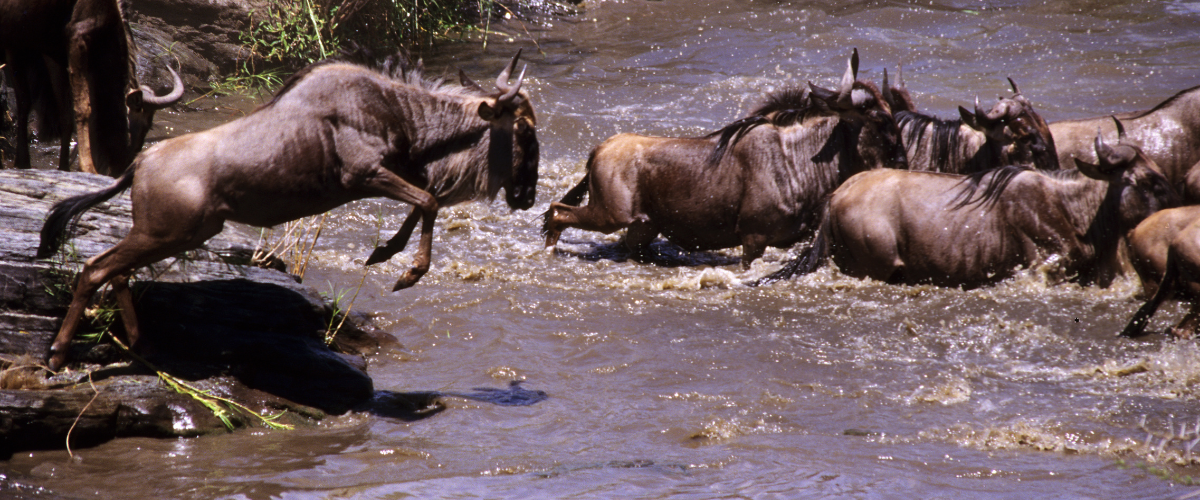
Migration photography is particularly rewarding because the landscape and behaviour are constantly changing. One moment may give you a peaceful image of wildebeest grazing. Minutes later, the entire herd could suddenly begin running. Dust rises from thousands of hooves, animals call to one another, and predators take advantage of the confusion. This unpredictability makes the migration exciting for photographers.
It also means you need to be prepared. Your camera should be ready, your settings should be appropriate for the conditions, and you should always be watching the animals rather than looking only through your viewfinder.
Choose the Right Safari Location
Where you stay can have a major influence on your photography experience. Spending several nights close to wildlife areas reduces unnecessary travel and gives you more opportunities for early morning and late afternoon game drives.
For photographers focusing on the Serengeti, the Serengeti Safari Lodge provides a convenient base for exploring the Seronera area and photographing the rich wildlife of central Serengeti. The central Serengeti is particularly valuable because it supports abundant wildlife throughout much of the year. It is also an important area for predators, making it possible to photograph lions, leopards, cheetahs, elephants, giraffes and numerous other species.
For migration-focused photography, Serengeti Wildebeest Camps offers another option for getting closer to the migration experience. The camp is positioned in the central Serengeti and specifically offers photographic safaris among its activities. (Tanzania Wild Camp)
Understand Light Before You Chase the Animals
One of the biggest differences between ordinary wildlife photographs and professional-looking images is light. The strongest midday sunlight can create harsh shadows, washed-out colours and distracting backgrounds. Early morning and late afternoon generally provide softer, warmer light that can transform an ordinary wildlife encounter into a dramatic photograph.
Golden Hour Photography
The first and last hours of daylight are particularly valuable. During sunrise, the Serengeti can appear almost completely different from how it looks at midday. Long shadows add depth to the landscape while warm light highlights the animals’ coats.
Late afternoon provides similar opportunities. A wildebeest standing against a golden horizon can become a striking silhouette, while a lion illuminated from the side can reveal details in its mane and face. When planning your safari photography, therefore, do not underestimate the value of being out early and staying out late.
Learn to Anticipate Animal Behaviour
Wildlife photography is largely about anticipation. Instead of waiting until something happens before raising your camera, look for clues that something may happen soon.
For example, a herd of wildebeest may suddenly become alert. Animals may stop grazing and begin looking in the same direction. Birds may take flight. A predator may lower its body and begin moving slowly. These small signals can give you valuable seconds to prepare.
If you are photographing a possible river crossing, anticipation becomes even more important. A large group of wildebeest may gather near the water for a long time before eventually making the decision to cross. Do not become discouraged if nothing happens immediately. Patience is one of the most important skills in wildlife photography.
Technical Camera Mastery
Use the Right Lens
A versatile lens setup can make a huge difference on safari. A telephoto lens is essential for photographing animals from a safe distance. Something in the range of 100–400mm or 200–600mm can be extremely useful for capturing close-up portraits without disturbing wildlife.
A wider lens is equally valuable for environmental photography. Instead of filling the entire frame with an animal, step back photographically and show the animal within its environment. A small herd crossing a vast Serengeti plain can communicate the scale of the migration far better than a tightly cropped portrait. If your equipment allows it, carrying both a telephoto and a wider lens gives you greater creative flexibility.
Master Your Shutter Speed
Moving wildlife requires fast shutter speeds. When photographing running wildebeest, jumping animals or birds in flight, a shutter speed around 1/1000 second or faster can help freeze movement. However, do not automatically use extremely fast shutter speeds for every photograph.
Sometimes motion blur can create a stronger image. For example, deliberately slowing your shutter speed while following a moving wildebeest can produce an artistic photograph where the animal remains relatively sharp while the background becomes blurred. This technique, known as panning, requires practice but can produce dramatic results.
Use Continuous Autofocus
Wildlife rarely stays still for long. Continuous autofocus helps your camera maintain focus as an animal moves toward or away from you. Combined with continuous shooting, it increases your chances of capturing the decisive moment.
However, avoid simply holding down the shutter continuously. Instead, watch the subject and shoot short bursts when the behaviour becomes interesting. This helps reduce thousands of unnecessary photographs while making it easier to identify your strongest images later.
Think About Composition
Technical quality alone does not make a photograph memorable. Composition matters. Before taking a photograph, consider where the animal is looking or moving. If a wildebeest is running toward the right side of the frame, leaving additional space in front of it can create a sense of movement and direction.
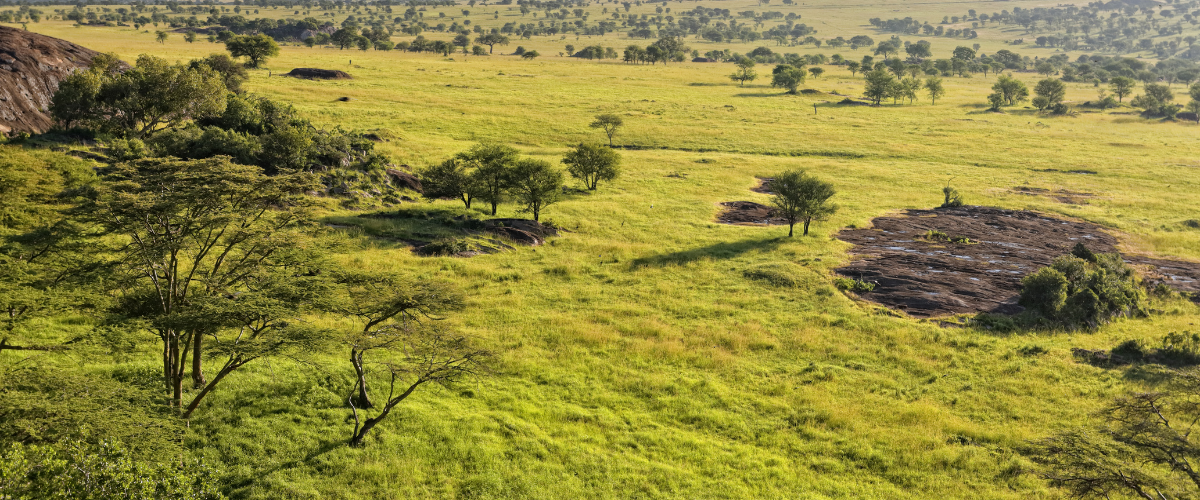
Similarly, avoid placing every animal directly in the centre of every photograph. Use natural elements such as grass, trees, rocks and hills to create layers within the image. The Serengeti’s open landscapes are particularly well suited to this approach.
Photograph the Environment, Not Just the Animals
One common mistake among safari photographers is concentrating exclusively on close-up animal portraits. While these photographs are valuable, some of the most memorable migration photographs show the relationship between wildlife and the landscape.
Try photographing:
- A herd moving across an enormous grassland
- Wildebeest silhouetted against sunrise
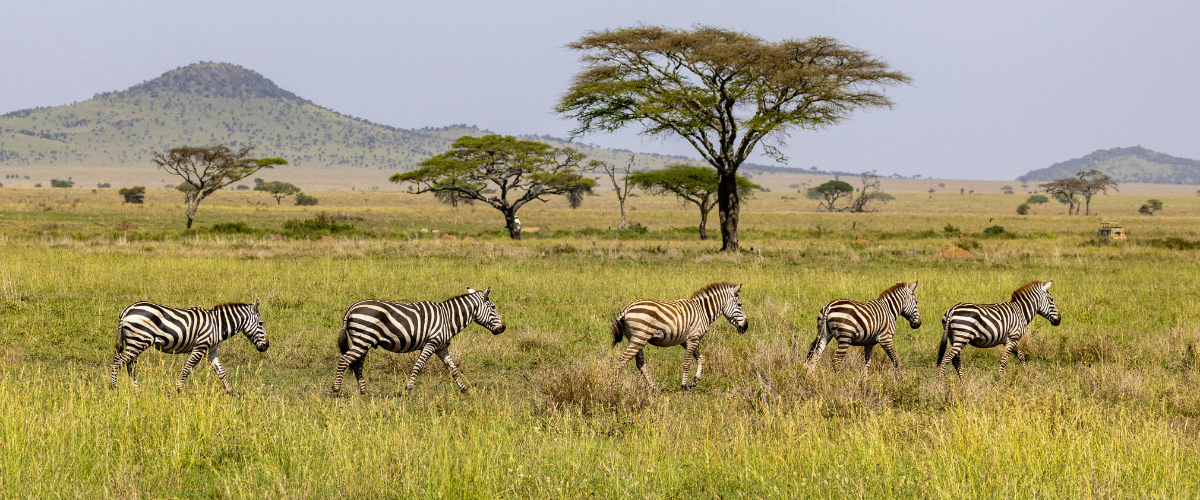
- Zebras surrounded by golden grass
- Animals approaching a water source
- A predator watching from a rocky outcrop
- Dust rising behind a moving herd
- Birds following grazing animals
Environmental photographs tell a bigger story. They show viewers where the animals live and help communicate the scale of the migration.
Photograph Wildlife Respectfully
Great wildlife photography should never come at the expense of the animals. Always follow your guide’s instructions and park regulations. Never encourage a driver to approach animals aggressively simply to obtain a closer photograph.
Do not shout, make noises, throw objects or attempt to attract an animal’s attention. The best wildlife photographs often happen when animals are behaving naturally. Responsible photography also means respecting other safari vehicles and photographers. If another vehicle is already positioned appropriately, avoid unnecessarily blocking its view. The goal is to document wildlife without changing its behaviour.
Capture More Than Action
Migration photography does not have to be about dramatic river crossings or predator attacks. Some of the most powerful photographs can be quiet moments.
- A mother wildebeest standing beside her calf.
- A zebra grooming another zebra.
- A lion resting beneath a tree.
- A herd walking peacefully through morning mist.
- A young animal learning to follow the herd.
These moments add emotion and variety to your photographic collection. Try to tell the complete story of the migration rather than searching exclusively for spectacular events.
Plan Around the Seasons
The Great Migration follows seasonal patterns rather than a fixed annual timetable. The herds move according to rainfall, fresh grass and water availability, meaning exact locations and timing can vary. This is why flexibility is important when planning a photography safari.
A useful resource before your journey is the Tanzania Wild Camps Travel Guide, which can help you prepare for your Tanzania adventure, including destination and safari planning considerations. If your itinerary includes the Ngorongoro area, you can also consider the Ngorongoro Wild Camp as part of a wider wildlife itinerary.
Combining different locations can give photographers opportunities to capture more than just the migration. Ngorongoro, for example, provides spectacular landscapes and concentrated wildlife, creating a useful contrast to the open plains of the Serengeti.
Build a Multi-Location Photography Safari
Photographers can benefit enormously from combining different camps and wildlife areas. A multi-camp itinerary allows you to experience different landscapes, wildlife concentrations and photographic conditions instead of spending your entire trip in one location.
You could begin around Karatu, continue to the Ngorongoro area and then move into the Serengeti. For a comfortable base near Karatu, consider Highview Coffee Lodge. Its location provides access to the Ngorongoro area while offering an opportunity to slow down between intensive safari days. Another option is Highview Hotel, which can work well as part of a broader northern Tanzania itinerary.
For travellers wanting to stay closer to the Ngorongoro experience, Ngorongoro Safari Lodge provides another accommodation option. A combination such as Ngorongoro and Serengeti can be particularly rewarding for photographers because it gives you contrasting environments and photographic subjects.
Protect Your Photography Equipment
Safari environments can be dusty, so equipment protection is essential. Keep your camera and lenses inside a protective bag when they are not being used. Carry microfiber cloths and a blower for cleaning dust from equipment. Avoid changing lenses unnecessarily in dusty conditions.
You should also carry extra batteries and memory cards. There is nothing worse than witnessing an extraordinary wildlife encounter only to discover that your battery is empty or your memory card is full. If possible, back up your photographs every evening. A portable SSD or laptop can provide an additional layer of security.
Don’t Forget Your Phone
A professional camera is not the only tool worth carrying. Modern smartphones can capture excellent landscape photographs, video clips and behind-the-scenes moments. Use your phone to document the wider safari experience: your vehicle, camp, landscapes, meals, sunsets and the people who make your journey possible. These images can become an important part of your overall travel story.
Tell a Story With Your Final Collection
When you return home, resist the temptation to publish hundreds of similar photographs. Instead, select a smaller collection that tells a story. Begin with the landscape. Introduce the animals. Show the movement of the herds. Capture quiet moments. Include predators and other wildlife. Finish with a dramatic sunset or a wide photograph showing the enormous scale of the Serengeti. A strong photography collection should make someone feel as though they experienced the journey with you.
Final Tips for Better Migration Photography
Before heading into the Serengeti, remember these essential principles:
- Be patient. Wildlife operates on its own schedule.
- Watch before shooting. Understanding behaviour helps you predict action.
- Use the light. Sunrise and sunset can transform your photographs.
- Keep your equipment ready. Wildlife encounters can last only seconds.
- Experiment with composition. Not every image needs to be a close-up.
- Photograph the environment. The Serengeti is part of the story.
- Respect wildlife. Never compromise animal welfare for a photograph.
- Back up your images. Protect your memories.
- Stay flexible. Nature does not follow a fixed itinerary.
Most importantly, remember that a safari is not simply a photography assignment. Put the camera down occasionally and experience the landscape with your own eyes.
Start Planning Your Photography Safari
The Great Migration provides some of the most extraordinary wildlife photography opportunities in Africa, but getting the best images requires more than luck. The right location, timing, accommodation, equipment and guide can dramatically improve your experience.
For personalised assistance with your itinerary, accommodation or photography safari plans, Contact Tanzania Wild Camps. Capture the moment. Experience the migration. Tell the story of Tanzania’s wild heart.